Looking for bacon recipes that all start from one tray? Bake thick-cut bacon on a wire rack at 400°F, then finish it plain, maple-glazed, praline-sweet or wrapped around something.
Quick answer: bake thick-cut strips flat on a rack for crisp plain bacon, brush on pure maple syrup near the end for a glaze, or wrap bite-size fillings when you need appetizers. Every idea below reuses the same tray, so one oven setup covers the whole list.
These ideas sit alongside the wider international dinner recipes in our Home Recipes hub, so treat them as sides, starters and toppings for a fuller menu.
Choosing bacon for the tray
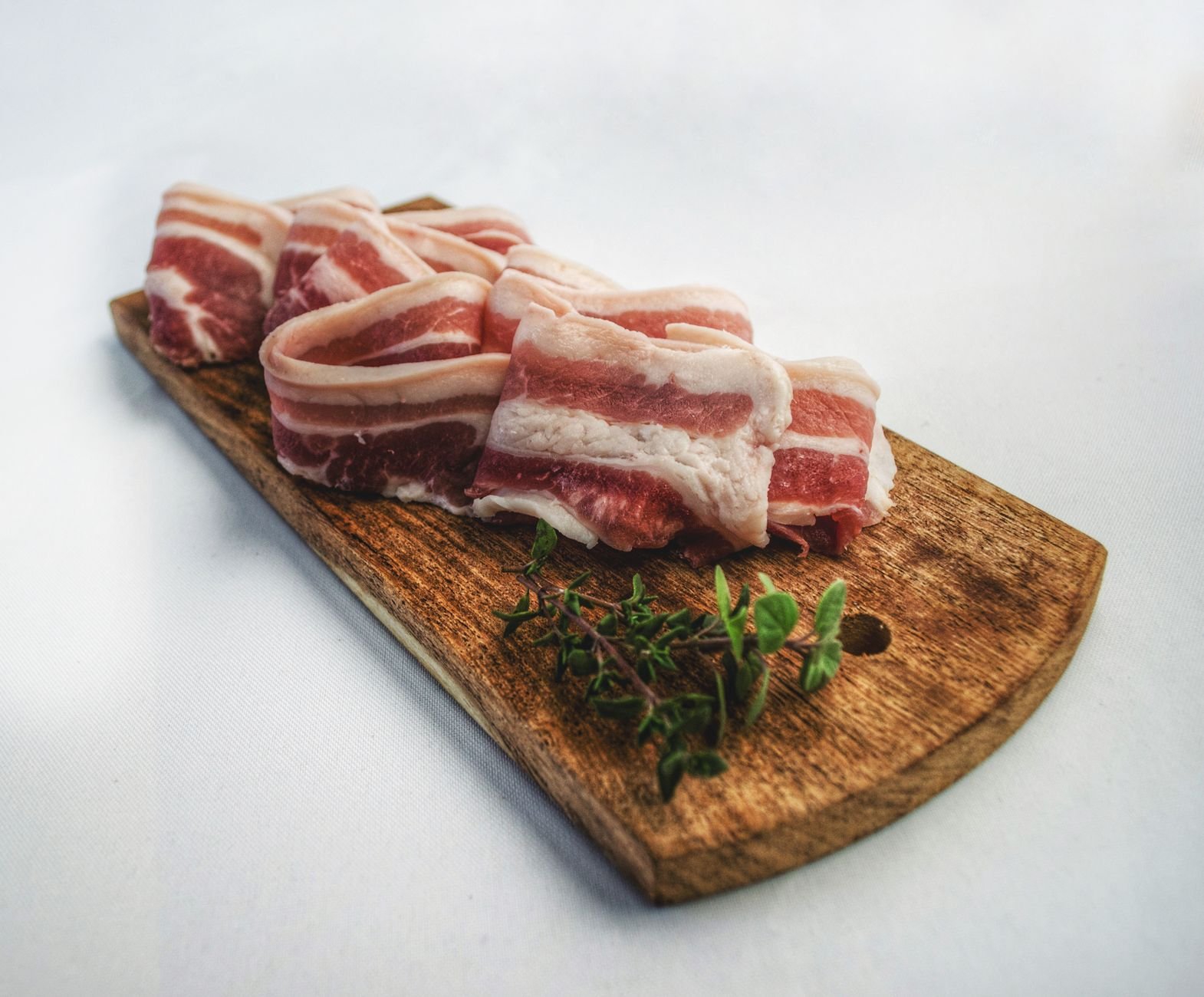
Thick-cut bacon is the cut to reach for with the oven recipes here. One oven maple bacon method states a preference for thick-cut, and a roasted maple bacon recipe recommends thick-cut while adding that a meaty center-cut bacon is also great. Both are cooks’ preferences rather than fixed rules. They agree, though, that sturdier strips suit a long bake on a rack.
The word “bacon” does not mean the same cut everywhere. According to Red Cup Rebellion, the term refers to cured pork loin in other countries, which is a different cut from pork belly. If your local bacon is a loin cut, timings written for thick-cut strips may not carry over directly. Judge doneness by eye and keep the glazing stage short.
Oven-baked bacon on a wire rack
Oven-baked bacon needs a foil-lined sheet pan, a wire rack and a hot oven, and it suits anyone cooking more than a few strips at once. Both timing methods below call for 400°F. The sequence is the same for every recipe on this page.
- Line the pan. Cover a large baking sheet with foil, then set a baking rack on top.
- Lay out the bacon. Arrange the strips flat in a single layer on the rack.
- Bake. Put the tray in the preheated oven and start checking at the 15-minute mark.
- Finish to taste. For plain bacon, return the tray for a few more minutes until it reaches the doneness you want. For a glaze, move on to the maple stage below.
| Method | Oven | First bake | After the maple stage | Planning use |
|---|---|---|---|---|
| Peppered maple bacon | 400°F | 15 minutes | Baste, then 3-5 more minutes | A short glazing window, so keep watch at the end. |
| Roasted maple bacon | 400°F | 15-20 minutes, checking from 15 | Brush, then 7-10 minutes or until crisp | A longer window that suits meatier strips and gives you room to adjust. |
These timings come from the peppered maple method and the roasted maple method.
Treat the longer windows as a range to check inside, not a target to reach. The 3-5 minute return to the oven is meant for finishing to your preferred doneness, so pull the tray as soon as the strips look right.
Maple bacon
Maple bacon is the easiest upgrade to the tray method, and it suits brunch plates and anyone who likes a sweet-salty edge. One recipe uses 1 lb of thick-cut bacon with 1/4 cup of pure maple syrup. The other uses 3-4 tablespoons of pure maple syrup per 1 lb of bacon. Either amount works, so choose by how glossy and sweet you want the strips.
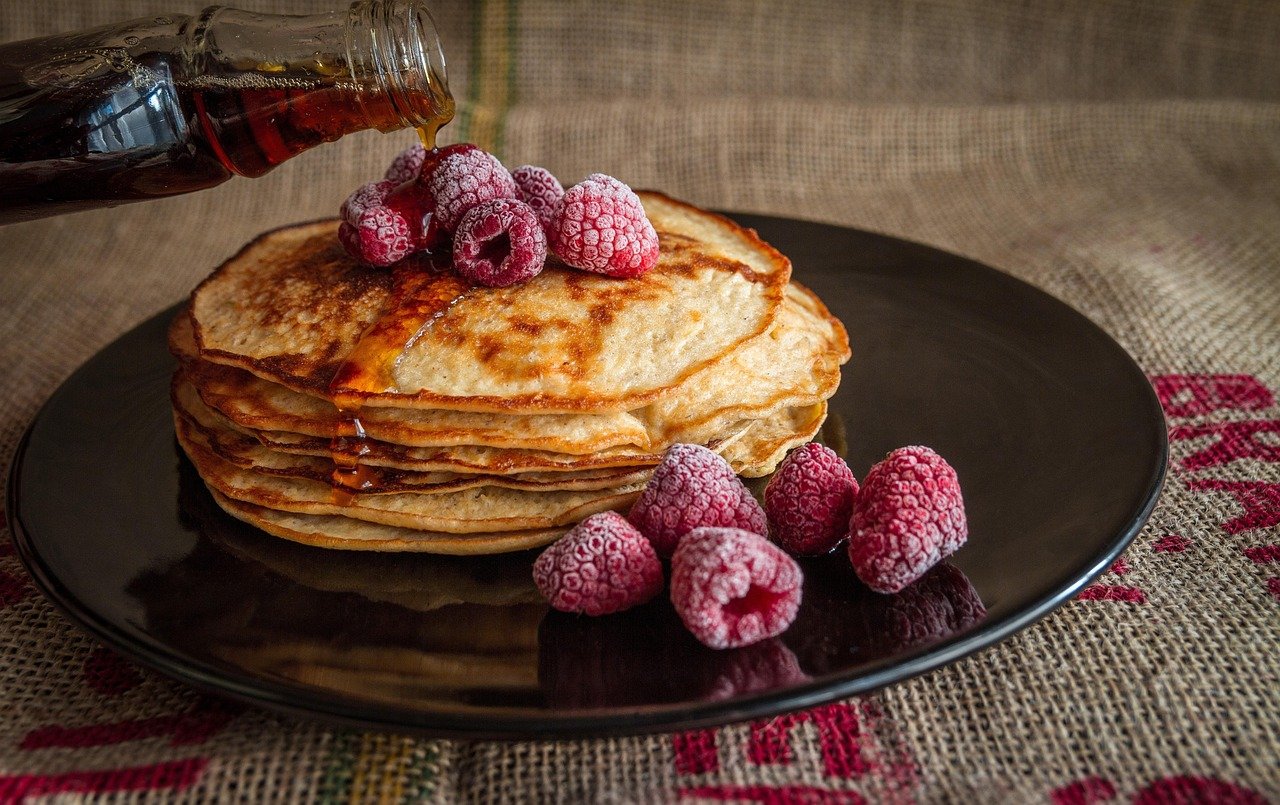
The method is a two-stage bake. Cook the bacon plain first, then brush each slice generously with maple syrup and return it to the oven for 7-10 minutes or until crisp. The peppered version bakes for 15 minutes, bastes with maple, and then cooks 3-5 minutes more.
Glazing late keeps the syrup on the surface for the final stretch rather than leaving it in the oven for the whole bake. Use pure maple syrup, because the quantities above are written for it.
Sweet bacon with praline and caramel
Sweet bacon beyond maple is worth making when you want a snack or party platter rather than a breakfast side. The Taste of Home pound-of-bacon collection lists a praline bacon with a total time of 20 minutes that makes 20 pieces. It also lists caramelized bacon twists at 30 minutes total for about 3 dozen.
Choose the praline version when time is short and a modest batch is enough. Choose the twists for a larger crowd, where the longer total time buys many more pieces. The collection also notes that lining the pan with foil before baking helps cut down on cleanup, which matters most with sticky sugar-based coatings.
Bacon-wrapped ideas from the same tray
Bacon-wrapped dishes turn the tray method into party food, and they suit hosts who can prepare a batch ahead of guests arriving. The same Taste of Home collection gives two timed examples. Bacon-wrapped sweet potatoes take a total of 1 hour 5 minutes and make about 2-1/2 dozen. Bacon water chestnut wraps take 50 minutes and also make about 2-1/2 dozen.
The yields match, so the choice comes down to time and flavor. The water chestnut wraps are quicker. The sweet potato version takes longer but gives you a sweet, soft filling inside the bacon. For other fillings, the same logic applies: choose something that will cook through in the time the bacon needs.
Wrapped bites also earn a place on a holiday starter table. Pair them with the mains from our thanksgiving dinner recipes and they fill the pre-dinner gap without needing extra pans.
Everyday ways to use baked bacon
Baked bacon works as an ingredient as well as a side. Red Cup Rebellion lists soups, stews, salads, sandwiches and hamburgers among the dishes that use it. A tray cooked in advance gives you strips to crumble over any of them without standing at a skillet.
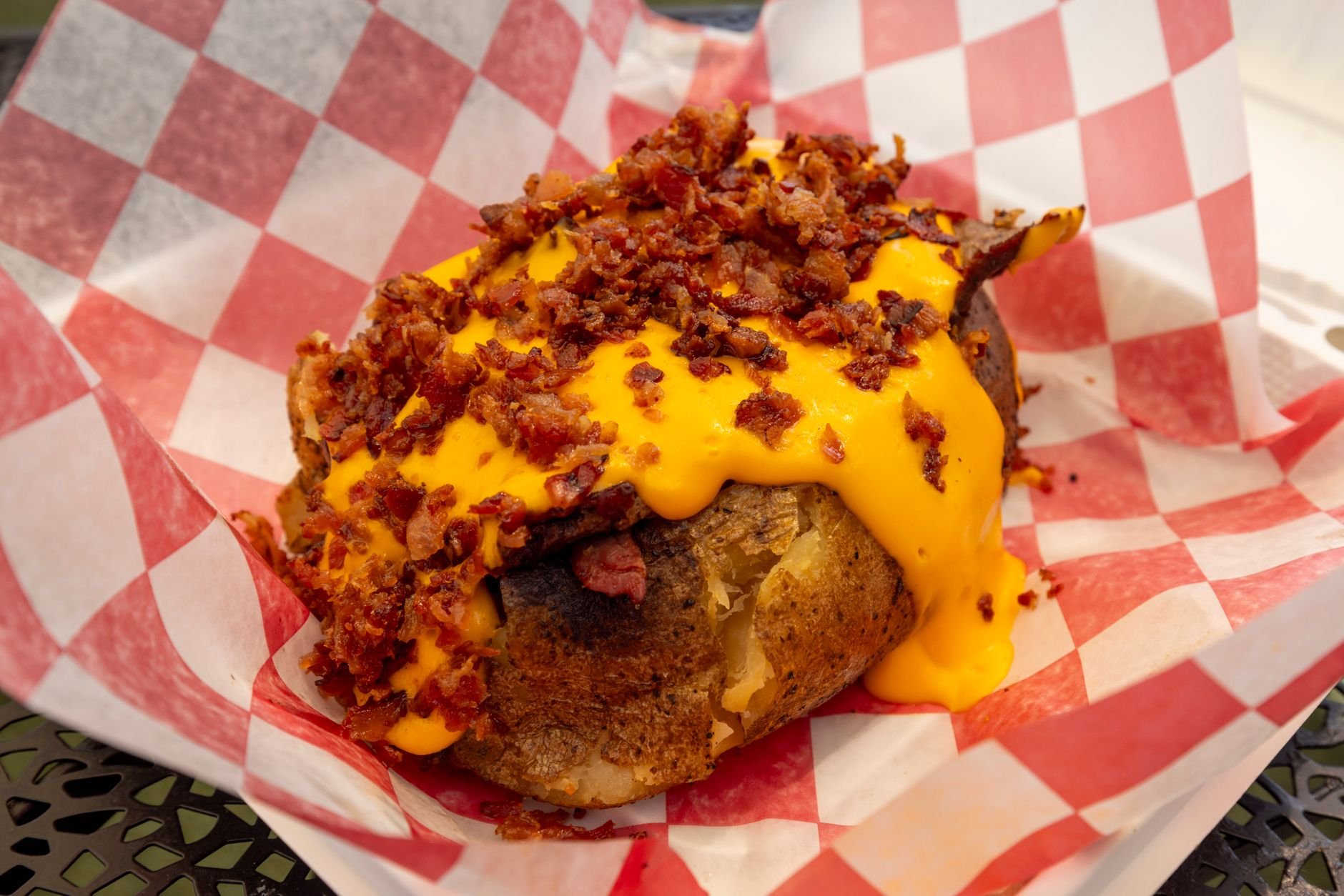
Burgers are the obvious test of thick-cut bacon, because the strips need enough body to sit between bun and patty. Our gourmet burger recipe is a good place to put a few spare strips to use. For salads and soups, crumble the bacon at the end so it keeps its crunch.
Storing and reusing bacon grease
Bacon grease is worth keeping rather than discarding. Red Cup Rebellion describes bacon fat as essentially flavored lard that is solid at room temperature and stores well. That makes it a ready cooking fat for dishes that benefit from a smoky note.
The same source says much of the fat renders out when bacon is cooked in a skillet. On a rack-and-foil tray, the fat collects in the pan beneath the strips, so cleanup and collection happen in the same place.
A short decision checklist
- Pick the strip. Choose thick-cut or a meaty center-cut bacon, and check what your local label means by bacon.
- Pick the finish. Go plain for sides, maple for brunch, praline or twists for snacks, and wraps for appetizers.
- Pick the serving. Serve strips whole, or crumble them as a topping for salads, sandwiches and burgers.
- Keep the fat. Save the grease as a flavored cooking fat.
Frequently asked questions
Is oven-baked bacon messy?
It is less messy than the stovetop. One roasted maple bacon recipe reports no splatters, and the bacon cooks flat rather than curling up.
Can I use turkey bacon in the oven?
You can, but watch it closely. The roasted maple bacon recipe warns that turkey bacon is very lean and can easily dry out in the oven.
Can I use imitation maple syrup?
Pure maple syrup is the preferred choice. The roasted maple bacon recipe’s author has used imitation syrup, so it is an acceptable fallback.
Which bacon cut works best for maple bacon?
Thick-cut is the recommended choice in both maple methods, and meaty center-cut is also a good option.