| Situation | Dish | Timing and setting | Liquid and fill | Planning use |
|---|---|---|---|---|
| Workday away | Layered meat-and-vegetable dinner | Low setting for all-day cooking | Cover food with broth, water or sauce; fill half to two-thirds full | Prep in the morning and put vegetables on the bottom |
| Tender-cut weekend roast | Pulled pork | Low setting for less-tender cuts; highest setting for the first hour is the safest start | Cover with liquid; fill half to two-thirds full | Check doneness with a food thermometer, not the clock |
| Feeding a crowd | Classic beef chili | About 6 to 8 hours on low | Canned tomatoes and other liquid; yields 12 servings | The simplest single-pot batch for a gathering |
| Soup night | Soups, stews and sauces | Low, with a final temperature check | Broth, water or sauce to cover; 165°F minimum internal temperature | Best for high-moisture recipes and easy to scale to the pot |
Figures come from NC State Extension’s slow cooker safety guidance and a classic slow cooker chili recipe.
The best slow cooker recipes suit high-moisture dishes such as soups, stews and chilis, cooked in a pot that is half to two-thirds full and checked with a food thermometer before serving.
The USDA confirms that slow cookers are a safe method for preparing food, so the choice comes down to timing and crowd size. Pick the situation below that matches your day. When the slow cooker is sorted, our international dinner recipes cover the rest of the week.
Hands-off meals for workdays
Set-and-forget cooking works when the prep happens in the morning and the dial does the rest. NC State Extension says to use the low setting for all-day cooking or for less-tender cuts of meat, which makes low the default for anyone leaving the house.
Beginner-friendly dinners
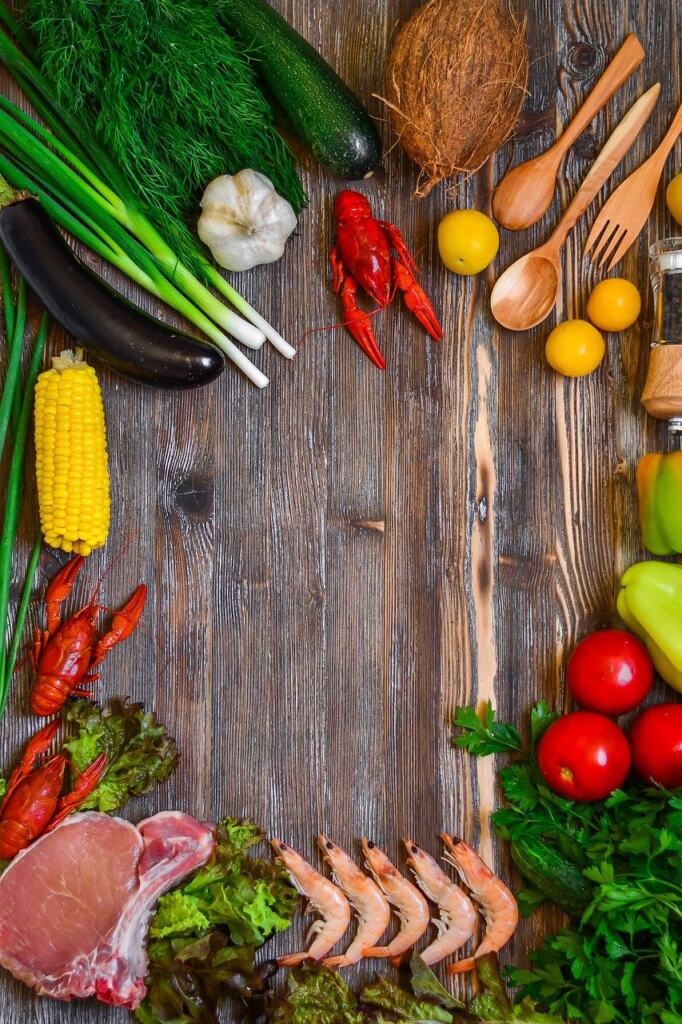
Beginners do best with recipes that forgive timing and rely on plenty of liquid. Collections such as Damn Delicious’s easy slow cooker dinner ideas are pitched at busy weeknights, lazy weekends and weekend company, which is the right range of difficulty for a first pot. Chili and pulled pork are the two strongest starting points, because both are meant to cook for a long time and both are covered in detail below.
- Choose high-moisture recipes. Soups, stews and chilis suit a slow cooker best, so start there before trying anything dry.
- Match the dish to your absence. If you will be out all day, use low. If you are home for part of it, a higher start is possible.
- Avoid improvising the first time. Follow a tested recipe’s liquid and quantities until you know how your own cooker behaves.
Layering and liquid
Vegetables cook slower than meat and poultry, so NC State Extension advises putting them on the bottom of the pot. Cover the food with liquid such as broth, water or sauce. The extension guidance gives no fixed liquid ratio, so follow the amount in your recipe and make sure the ingredients are submerged rather than sitting dry on top.
Fill level matters as much as liquid. The cooker should be at least half full but not more than two-thirds full, so scale a recipe to your pot rather than cramming it in. A half-empty pot can cook faster and unevenly, and an overfull one may not heat through.
Pulled pork and other tender-cut roasts
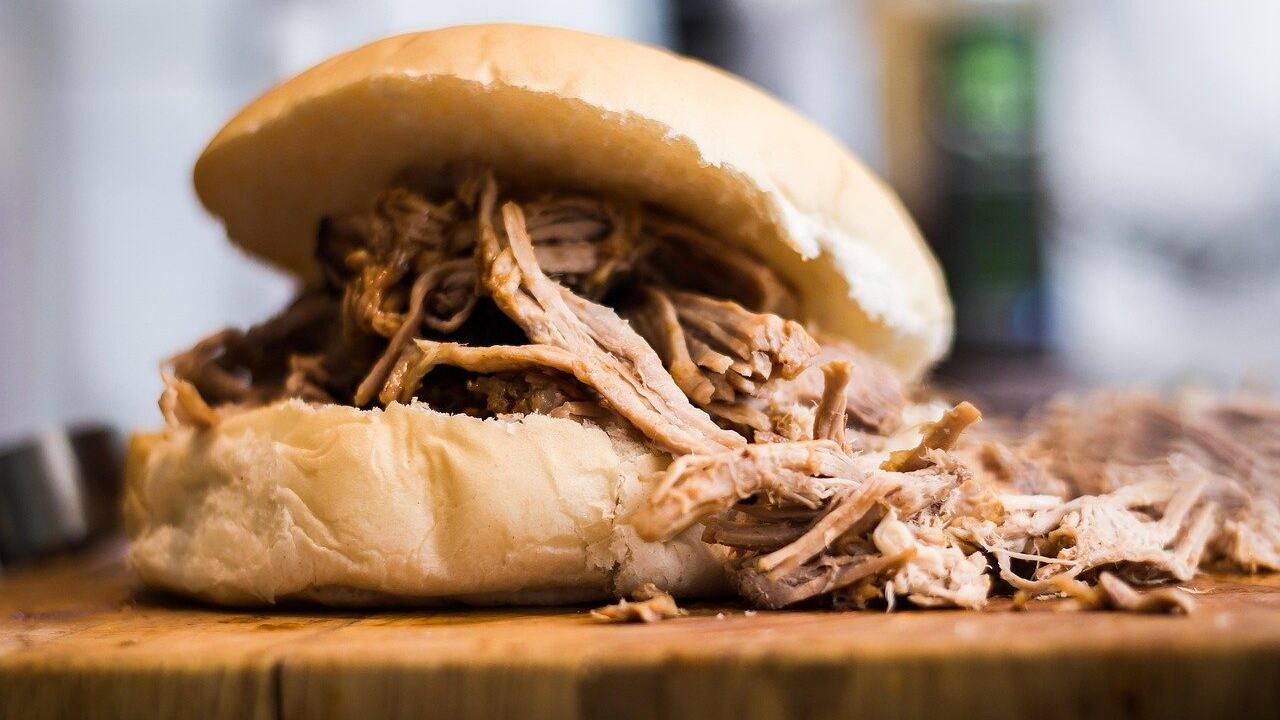
Pulled pork is the dish most people mean when they search for slow cooker recipes, and it suits cheaper, tougher cuts that need long, gentle cooking. It suits weekend afternoons or workdays equally, as long as you build in a thermometer check at the end.
Low versus high
Low is the better choice for pulled pork. NC State Extension recommends the low setting for less-tender cuts of meat, and pork shoulder fits that description. The same guidance names the safest method as starting on the highest setting for the first hour of cooking, then dropping to low. That start brings the contents up to temperature quickly before the long, gentle stage.
The pack gives no single hour count for pork on low or high, because cut size, cooker model and fill level all change it. Treat the clock as a rough guide and the thermometer as the decision-maker. Use an accurate food thermometer to check the finished dish, and keep cooking if it has not reached a safe temperature or the meat still resists shredding.
Rub and shred
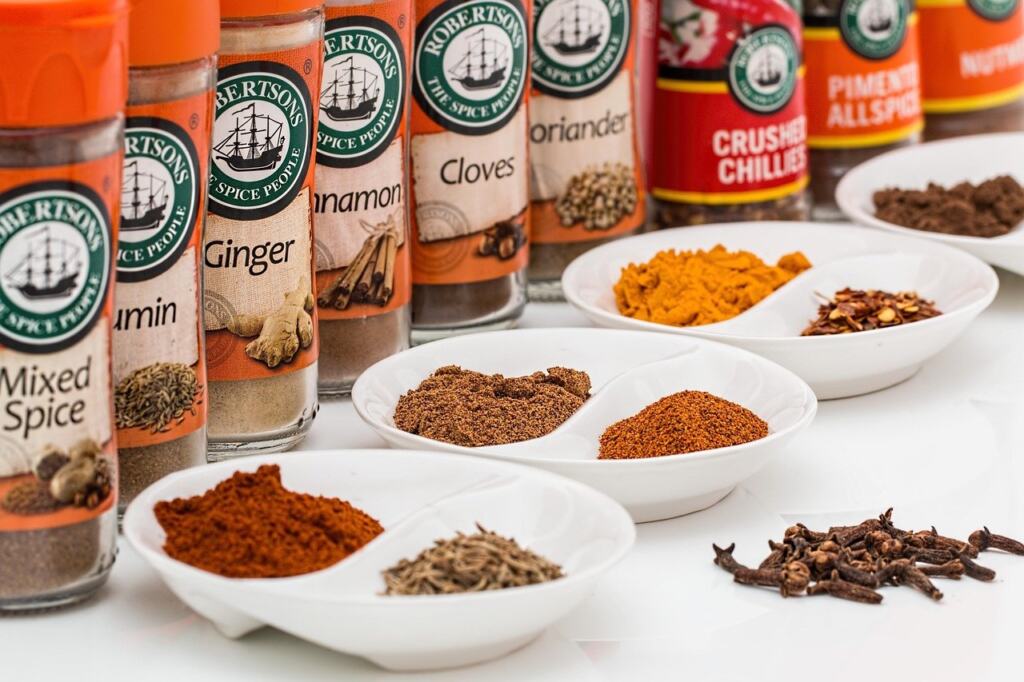
A dry rub goes on the pork shoulder before it goes in the pot, which builds flavor without adding more liquid than the recipe needs.
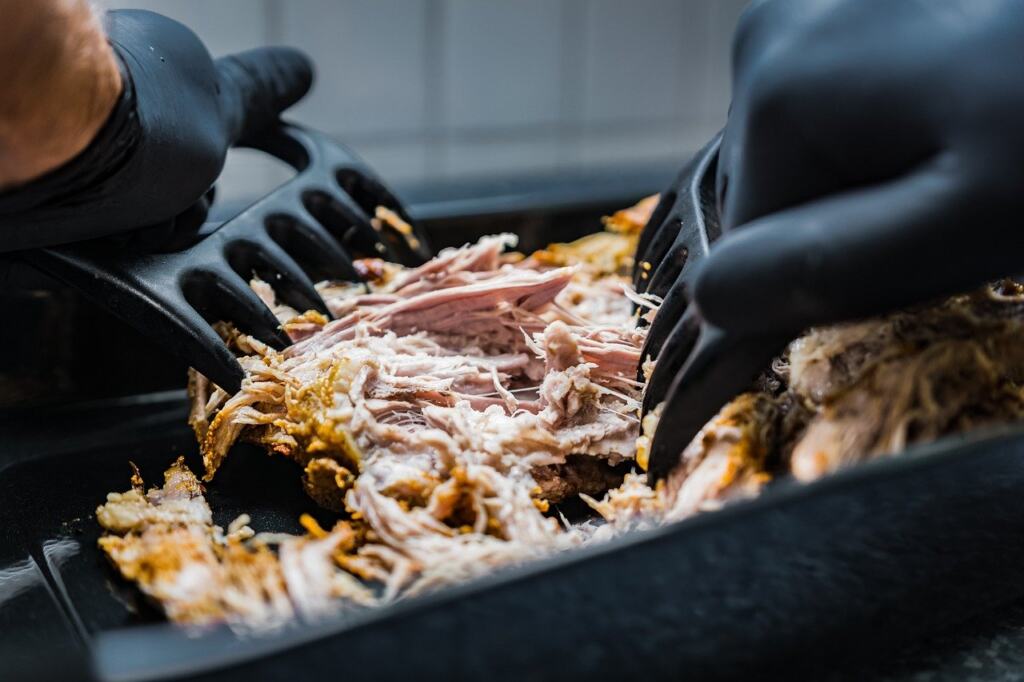
When the meat is tender and has passed its temperature check, shred it with two forks or meat claws and stir it back into the cooking juices so it stays moist. Serve it in buns, over rice or in tacos for a crowd.
Crowd-sized pots
For feeding a crowd from one slow cooker, chili is the most dependable choice because it scales by pot size and holds well once cooked. It suits game days, potlucks and family gatherings where people serve themselves.
Classic beef chili for 12
The Wooden Skillet’s classic slow cooker chili makes 12 servings. Its base uses 1½ lb of ground beef and 28 oz of canned tomatoes, and it cooks on low for about 6 to 8 hours. The recipe’s own advice is that chili is best when it can simmer on low for several hours, so low and slow beats rushing it on high.
- Suits: large households and gatherings where one pot must feed many people.
- Limit: it is a single-pot recipe, so a bigger crowd needs a second cooker rather than a bigger fill.
- Timing: because chili is a stew-like dish, treat it like the soups and stews that NC State Extension lists at a 165°F minimum internal temperature.
Keeping the pot warm
If guests will be eating over several hours, the cooker can hold food on a warm setting. USDA guidance reported by KOAM News Now says food held warm in a slow cooker should remain at least 140°F. Use the thermometer to confirm that, not just the dial position.
Soups and stews
Soup is the safest bet for anyone worried about dry results, because the dish is mostly liquid by design. Slow cookers work best with recipes that have a high moisture content, as the same KOAM report on USDA advice puts it, and soups, stews and chilis are the examples it names.
Vegetable and bean soups
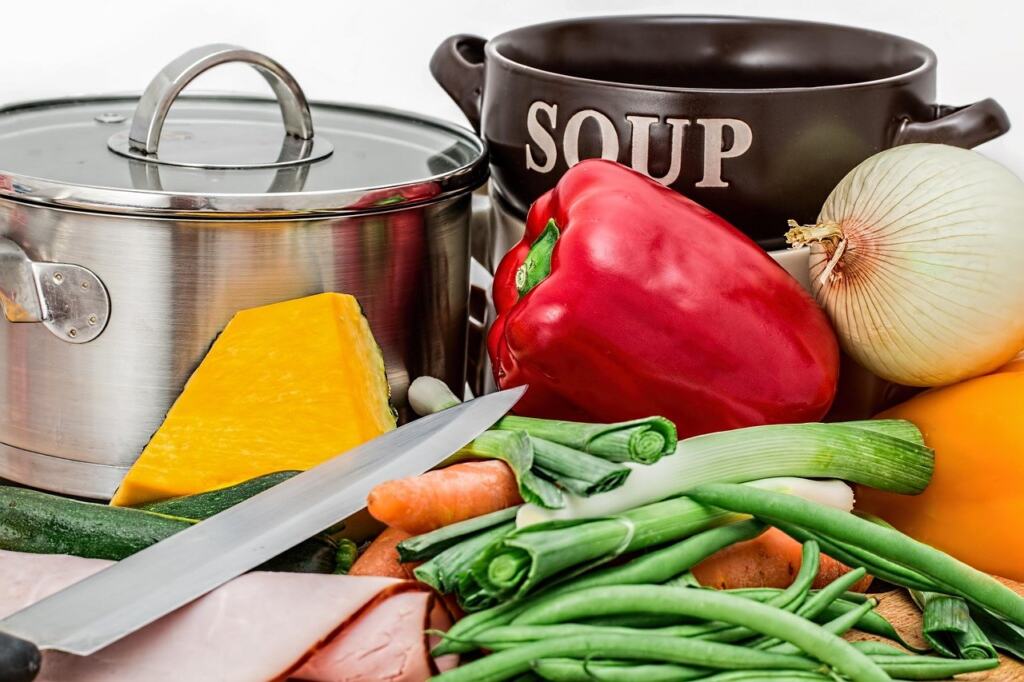
Chop vegetables evenly and layer them under any meat, since they cook slower than meat and poultry. Then add broth, water or sauce to cover. Fill the pot to between half and two-thirds, and stop there even if the vegetables look like they would fit.
Doneness check
Soups, stews and sauces have a minimum internal temperature of 165°F according to NC State Extension. Stir the pot, then take the reading in the middle of the soup rather than at the edge. Keep the lid on tight and lift it only to stir or check doneness, because every peek lets heat escape.
Safety when you are out of the house
Leaving a slow cooker running while you are away is a normal use of the appliance, as long as the cooker heats properly and the pot is filled and loaded correctly. Three checks cover most of the risk.
Test your cooker
NC State Extension describes a simple water test. Heat water on low, then measure it with a thermometer. The water should read 185°F.
If the power goes out
The advice depends on whether you were home. NC State Extension says you need to throw out the food if you have not been home. If the food was fully cooked, it can remain safe in the slow cooker for up to two hours with the power off, according to the USDA guidance quoted by KOAM News Now. After that window, refrigerate it or keep it warm.
Treats for the end of a long day
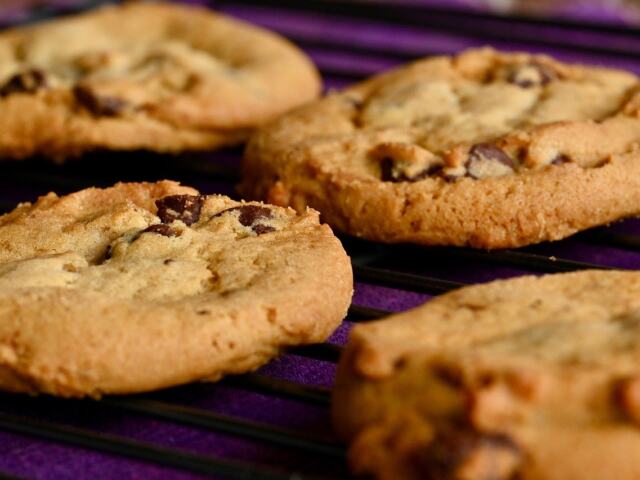
Slow cooker dinners pair well with something baked on a day you are home. Our homemade cookie recipes make an easy dessert, and when you want a fast stir-fry instead of a long simmer, try our pad thai recipe.
Frequently asked questions
| Question | Answer |
|---|---|
| Do I need to thaw meat before using a slow cooker? | Yes. NC State Extension says to always thaw any meat or poultry before putting it in the slow cooker. |
| Can I put leftovers straight into the slow cooker? | No. Heat them to 165°F on the stove or in a microwave first, then place them in a preheated cooker, per USDA guidance reported by KOAM News Now. |
| What temperature does a slow cooker run at? | Slow cookers operate at low temperatures, between 170°F and 280°F, according to NC State Extension. |
| Can I lift the lid to check the food? | Only to stir or check doneness. Keep the lid on tight the rest of the time so heat stays in the pot. |