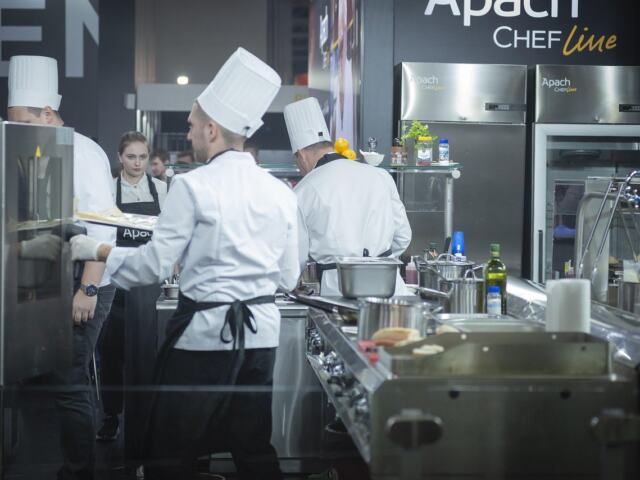
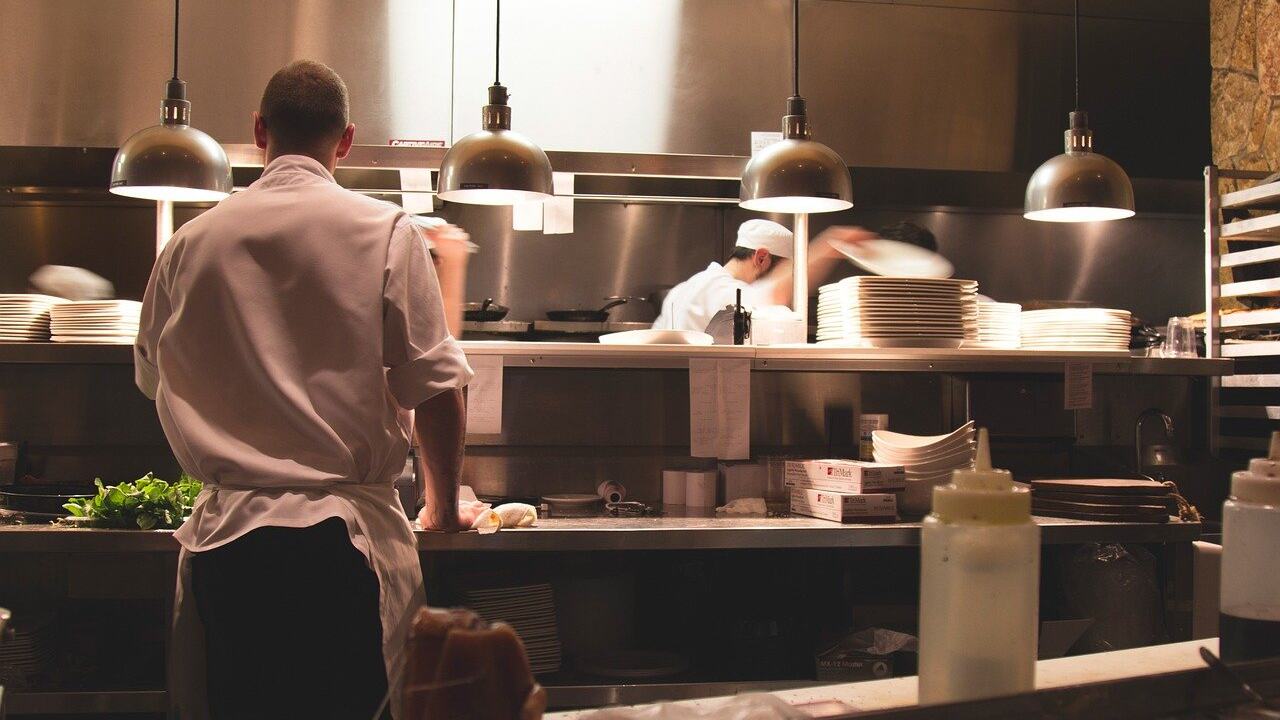
Standing outside an unfamiliar restaurant, how to tell if a restaurant is authentic comes down to observable cues: a focused menu in the original language, regional dish names, seasonal specials, and a kitchen that cooks the way the cuisine does.
No single cue settles it, and some are easy to fake. Weigh several together, the way you would any restaurant review, and decide whether authenticity is even what you want from tonight’s meal.
When the menu looks generic
The menu is the cheapest signal to read, because you can check it from the pavement or an app before you sit down. Three things matter most: the language, the size and the kind of dishes listed.
Language and dish names
A menu written predominantly in English is described as a red flag for tourist-oriented restaurants in a travel guide to Italian dining. A better sign is original-language names alongside a short description. One London Italian restaurant, Baccala, points to this itself, saying it lists dishes under their proper Italian names, such as linguine with red prawns. That is a self-description, so treat it as an example of the signal rather than a verdict on any one place.
Size and seasonality
A short menu with few selections for each course is often an indicator of freshly prepared, homemade cooking, according to the same travel guide. It also says authentic restaurants often display handwritten menus or chalkboard specials outside, reflecting seasonal ingredients and traditional recipes. A menu of the day typically offers a limited selection of seasonal, freshly made dishes.
The reasoning behind this is regional cooking itself. The Baccala restaurant argues that real Italian cuisine reflects regionality and seasonality, and says its chef builds the menu around what is fresh, local and best on the day, with asparagus in spring and truffle in autumn as examples. If a menu offers every dish from every region all year, that cuts against the principle.
Dishes that signal adaptation
Some popular restaurant dishes are products of adaptation. A Fox News guide to Chinese food says General Tso’s chicken, egg foo young, orange chicken and fortune cookies are not considered traditional Chinese food. That is the clearest difference between authentic and Americanized restaurant food: the adapted dish is built for the diner’s home market, while the traditional one belongs to a regional repertoire.
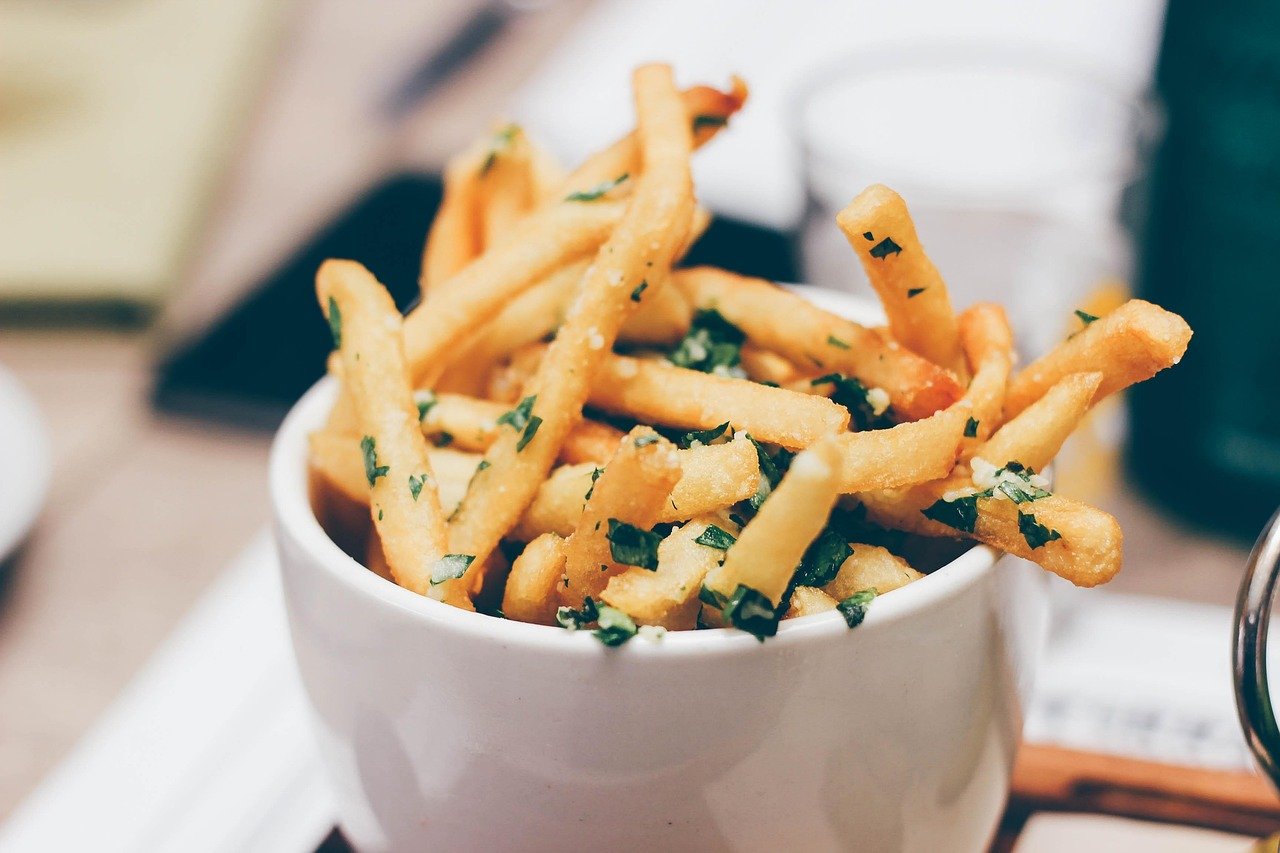
The same guide offers a plate-level test. A meal heavy in processed foods and light on ingredients is unlikely to be authentic, while authentic Chinese food is typically filled with flavor and an abundance of ingredients.
Signals at a glance
Use this table as a diagnostic, not a score. Each row is a prompt to look closer, and each has a limit.
| Signal | What it may suggest | Planning use |
|---|---|---|
| Short menu, few selections per course | Freshly prepared, homemade cooking | Prefer it to a sprawling list, then check whether the dishes are regional. |
| Handwritten menu or chalkboard specials outside | Seasonal ingredients and traditional recipes | A good first-glance cue before you go in; it does not replace tasting. |
| Menu predominantly in English | A tourist-oriented restaurant | Look for original-language names with descriptions, or choose elsewhere. |
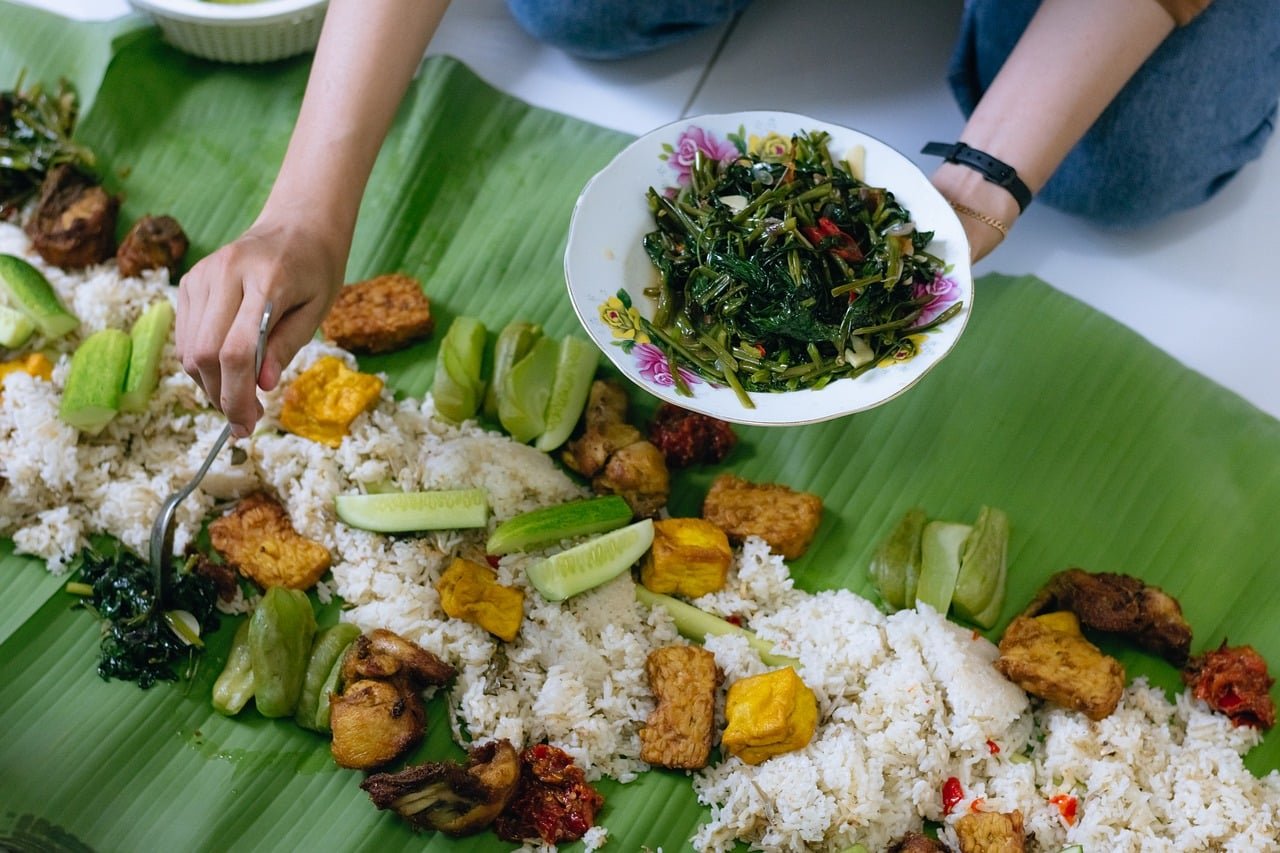
| Shared dishes in the middle of the table, often on a Lazy Susan | Family-style service, typical of authentic Chinese food | Useful for cuisines that share dishes; do not expect it from every cuisine. |
| Processed foods dominate, few ingredients | Unlikely to be an authentic dish | Pick dishes with a visible variety of ingredients. |
The menu and sourcing cues come from a travel guide to Italian food, and the service-style and ingredient cues come from a Fox News guide to Chinese food.
Kitchen and dining-room signals
Once you are inside, the way food is made and served says more than the decor. These cues are harder to copy than a sign or a colour scheme.
Does the chef have to come from the country?
No. A blogger writing on Oishii Desu argues that you do not have to be Japanese to own an authentic Japanese restaurant. That is an opinion, but it fits the other evidence, which focuses on what happens in the kitchen. The Fox guide says an authentic Chinese chef typically uses cooking methods passed down through generations, usually longer and more detailed. Baccala cites its chef being always in the kitchen, hands-on and present, as part of its own claim.
The practical test is therefore method and attention, not passport. A visible, engaged cook working in a recognisable regional style is a stronger sign than a family background you cannot verify.
How the food arrives
Service style is part of a cuisine’s home context. Authentic Chinese food is typically served family style, with dishes in the middle of the table, rather than individually plated for each person. If a restaurant plates every guest’s dish separately for a cuisine that normally shares, ask whether the format was adapted for convenience.
Finding authentic ethnic food near you
The signals above work for any ethnic restaurant, but you also need a way to build a shortlist. Start with where not to look, then use people and restaurant types that favour local habits.
- Skip the landmark strip. Restaurants near busy landmarks often cater primarily to tourists, so move a few streets away from the obvious spots.
- Ask people who eat there. The Italian travel guide suggests asking locals where to eat, with the phrase Dove si mangia bene? (where do you eat well?). The same idea works at home: ask someone from the community behind the cuisine.
- Look for the restaurant type that matches local habit. Trattorias typically offer a relaxed atmosphere with paper tablecloths and house wines. Agriturismos grow their own products, such as olive oil, and share them with the community.
- Prefer specialists where the cuisine specialises. The Oishii Desu post notes that the majority of Japanese restaurants focus on a particular cuisine, such as sushi, yakitori, udon, yakiniku, oyakodon, okonomiyaki or ramen. A menu spanning all of them is worth a second look.
Regional dishes worth recognising
Regional dish names are the most concrete evidence you can carry into a restaurant. Authentic menus tend to name dishes tied to a place rather than a generic category. The examples below are samples from three cuisines, not ordering advice.
- Italy: The travel guide lists panino con lampredotto from Florence, a sandwich of steamed veal stomach often served with salsa verde. It lists trippa alla romana from Rome, a hearty beef tripe stew, and risotto al nero di seppia from Venice, made with cuttlefish ink.
- China: The Fox guide names kung pao chicken, wonton soup, Peking roasted duck and hot pot among popular traditional dishes, in contrast with the adapted dishes covered earlier.
- Japan: Dish names often match the restaurant’s specialty, such as yakitori or okonomiyaki, rather than a menu that tries to do everything.
If none of the dishes on a menu are tied to a region or a specialty, that is a reason to ask the staff what the kitchen does best.
Is authenticity the right goal?
Authentic describes fidelity to a regional tradition, not a guarantee of quality or of what you will enjoy. Whether authentic food is better depends on what you want. If you want to taste a cuisine as it is eaten at home, the signals above are a good filter. If you want a familiar adapted dish, an Americanized restaurant can serve that purpose honestly, provided it is not presented as something else.
The evidence also shows why authenticity should be treated as a spectrum of cues. Red is a colour typically used to decorate authentic Chinese restaurants, but decor is the easiest signal to copy and says little about the cooking. Ingredients, seasonality and method are more informative, and they overlap with what makes a meal fresh. The bigger risk is chasing one cue and ignoring the others.
Combining signals with reviews
Reviews can confirm or contradict what you saw. Learning how to read restaurant reviews helps you separate comments about regional accuracy from comments about service or price. When you want to record what you observed, a restaurant review checklist keeps the menu, kitchen and dining-room cues in one place.
Frequently asked questions
| Question | Answer |
|---|---|
| Does a long line outside prove a restaurant is authentic? | No. A long line can sometimes be misleading, according to the Italian travel guide, so check the menu and kitchen signals as well. |
| Can a menu word mean something different from what I expect? | Yes. In Italy, pepperoni means bell pepper, so ordering it as a pizza topping there may earn a confused look. |
| Is tea the first thing served at an authentic Chinese restaurant? | Usually. The Fox guide says tea is almost always the first thing served, without additional fixings. |