
Quick answer: A restaurant review checklist works best when food quality carries the most weight, service and ambiance follow, and the latest health inspection result acts as a safety check rather than a taste score.
Use it alongside the wider restaurant review coverage on this site. The checklist turns a vague impression into scores you can compare between meals, whatever the cuisine.
Criteria and suggested weights
Most people judge a restaurant by mood: a lively room can excuse a mediocre plate, and a slow server can sour a good one. Fixing your criteria and weights before you sit down keeps the verdict honest. The table below gives a starting weighting for a typical sit-down meal. The weights are a judgement, not a published standard, so adjust them to the occasion and then stick to them for that visit.
| Criterion | What to judge | Suggested weight | Planning use |
|---|---|---|---|
| Food quality | Temperature, doneness, seasoning, balance, plating, match to the menu description | Heaviest | Decides whether you would return. Score each dish you order, then average them. |
| Service | Greeting, order accuracy, pacing, handling of problems, staff condition | Heavy | Raise it for tasting menus and business meals, where timing matters most. |
| Ambiance | Lighting, noise, comfort, table spacing, visible tidiness | Moderate | Raise it for celebrations and dates. Lower it for quick lunches. |
| Health inspection | Most recent official inspection result and the violations behind it | Gate, scored separately | Check before you book. A poor result should make you reconsider whatever the other scores say. |
Service standards and cleaning standards both appear among the topics covered by the University of Nebraska–Lincoln restaurant operations checklist, and Louisiana’s health ratings rest on the most recent inspection, which is why inspection sits outside the taste scores.
- Keep inspection separate. Folding it into a single number lets a delicious dish hide a safety concern, or lets a nervous score hide a good meal.
- Fix weights before ordering. Changing them afterwards to justify a gut feeling defeats the purpose of the checklist.
- Score what you can observe. Leave a criterion blank rather than guess at things hidden in the kitchen.
Food quality
Food quality gets the heaviest weight because it is the reason you went. Break it into parts you can actually notice, and score each dish separately before you combine them.
Temperature and doneness
Kitchen temperature rules give you a useful yardstick. The National Restaurant Association’s guide to what inspectors look for says certain foods become unsafe when they sit between 41°F and 135°F. It tells kitchens to hold hot foods at or above 135°F and cold foods at or below 41°F. You cannot put a probe in your plate, but a hot dish that arrives lukewarm, or a cold dish that arrives tepid, is worth a mark-down and a note. Doneness is the other measurable point: compare what you ordered with what arrived.
Flavour, balance and presentation
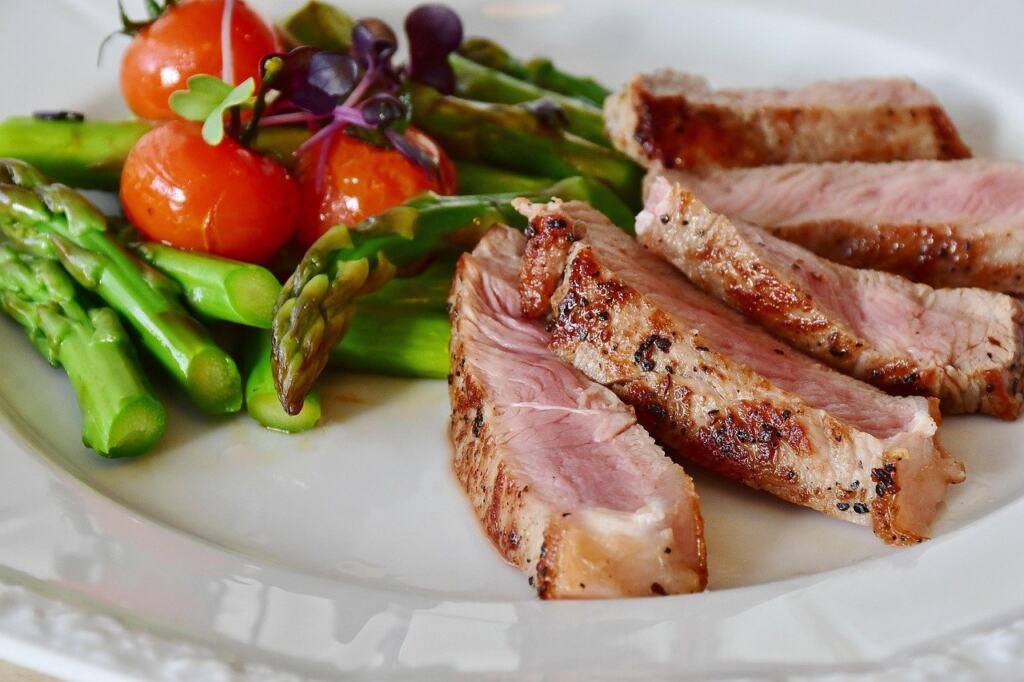
Judge seasoning, balance between components, texture and whether the dish matches its menu description. Presentation matters, but give it less weight than flavour. A neat plate that tastes flat should not outscore a plain plate that tastes excellent.
Service
Service is the second-heaviest criterion, and it is more standards-driven than it feels. Operations checklists from Nebraska–Lincoln’s food resources list service standards among the things a restaurant is expected to manage, so you are entitled to judge it against consistent expectations rather than personal chemistry.
- Greeting and seating: Note how quickly you were acknowledged and whether the table was ready and clean.
- Order accuracy: Record whether dishes and modifications arrived as requested.
- Pacing: Courses should not collide or leave long gaps. Fast is not automatically good, especially on a celebration night.
- Problem handling: A mistake corrected politely and quickly can earn more credit than a flawless but indifferent evening.
- Staff condition: The National Restaurant Association’s guidance says team members showing signs of illness should be sent home until they have fully recovered, so visibly unwell staff handling food is a genuine mark against the restaurant.
Service suits a lower weight at counter-service places and a higher one wherever the format depends on timing and attention.
Ambiance and cleanliness
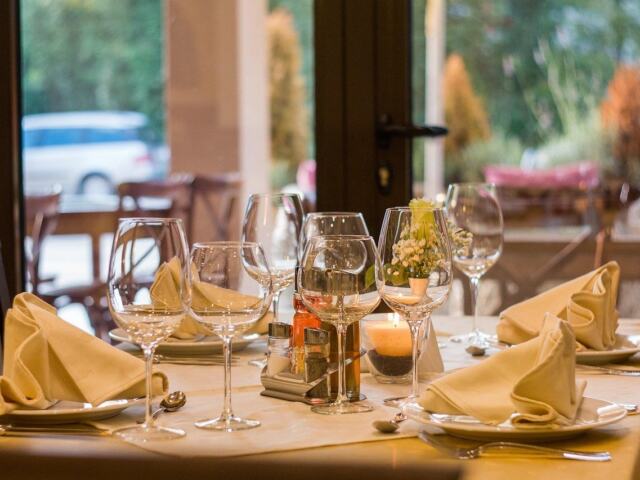
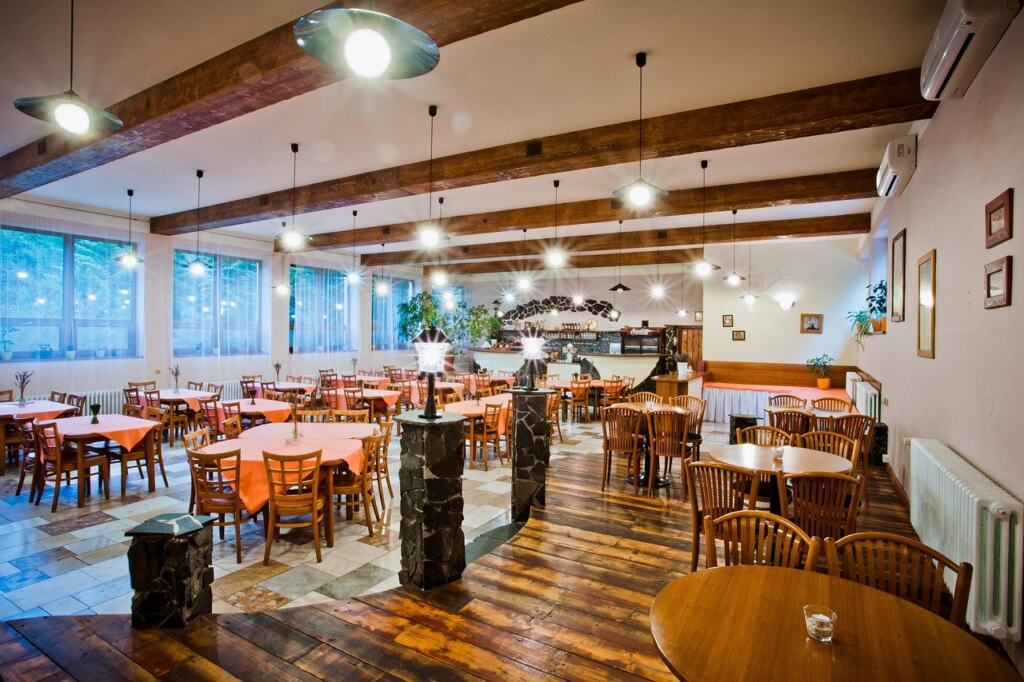
Ambiance covers the room itself: lighting, noise level, comfort of seating, spacing between tables and how well the space fits the occasion. It deserves a moderate weight, because a good room can lift a meal but rarely rescues a poor one.
Cleanliness is the part of ambiance you can partly verify. Louisiana’s health department describes noncritical violations as items such as dirty floors, uncovered garbage containers and improperly stored food. Floors, bins and storage areas are exactly what a diner may glimpse, so note anything you see. Behind the scenes, the National Restaurant Association says sanitizers should stay in contact with food-contact surfaces for 10–30 seconds and work best in water between 55°F to 120°F. You cannot check that from your seat, which is the reason the inspection result earns its own line on the checklist.
Health inspection results
Yes, health inspection results belong in a rating, but as a separate gate rather than part of the taste score. Inspection measures food safety and sanitation practice, not flavour, and the two can diverge in either direction.
What an inspection rating measures
Louisiana’s scale is a useful worked model of how a rating turns violations into a result. The Louisiana Department of Health bases its ratings on the most recent inspection and the number of critical and noncritical violations. Critical violations are things like food temperature problems, poor personal hygiene and cross-contamination of food. The ratings run across five levels, from five pelicans (Superior) to one pelican (Regulatory Action).
| Rating | Louisiana criteria | Planning use |
|---|---|---|
| Superior (5 pelicans) | No critical violations and fewer than five noncritical violations | Reassuring on safety. It says nothing about whether the food is good. |
| Good (3 pelicans) | Five or fewer critical violations, with reinspection to ensure compliance | Acceptable for many diners, but look at which violations were cited if you can. |
| Poor (2 pelicans) | Six or more critical violations, with reinspection to ensure compliance | Reason to choose another venue or wait for a better reinspection result. |
| Regulatory Action (1 pelican) | Lowest level on the scale | Treat as a stop sign for your checklist. |
These figures come from the Louisiana Department of Health’s announcement of its rating system.
Using the result in your scoring
Record the rating beside your scores, not inside them. A top rating is a reason to relax about safety, and a low one is a reason to pause before you book. Other places use different formats, such as letter grades, scores or plain pass/fail reports, so read the issuing department’s own definitions before comparing one city with another.
It also helps to know what inspectors look for. The National Restaurant Association notes that temperature records should show when temperatures were taken and by whom. It also says raw and ready-to-eat foods must be kept separate in cold storage, either in designated areas or in a top-to-bottom vertical order. Louisiana’s electronic inspection forms list all possible sanitary code violations, so the written report usually tells you more than the headline grade.
Scoring at the table
A checklist only works if it is quick enough to use mid-meal. Nebraska–Lincoln’s materials note that checklists support operational stability and task accountability. Used by a diner, the same logic gives you consistency from one visit to the next.
- Before you go, look up the latest inspection result and note it separately.
- On arrival, glance at the room, floors, tables and staff, and jot down impressions of ambiance and cleanliness.
- During the meal, write a short note after each course about temperature, seasoning and timing while the detail is fresh.
- After the meal, score each criterion on the same simple scale you use every time, apply your weights, and keep the inspection result alongside.
Authenticity is a separate question from quality, since a faithful regional dish can still be poorly cooked. If cuisine fidelity matters to you, read how to tell if a restaurant is authentic and add it as an extra line. Once you have scores and notes, how to write a restaurant review shows how to turn them into a finished piece.

When scores conflict
- Great food, poor inspection result: Let the inspection win. A delicious dish does not offset critical violations such as temperature or cross-contamination problems.
- Excellent inspection, disappointing food: Score it honestly. A clean kitchen is the baseline, not a reward, and the rating does not describe flavour.
- Wonderful room, weak plates: Keep ambiance at its set weight. It should not be allowed to outvote food quality.
- Unusually bad service on a busy night: Note the circumstances, and consider a second visit before you settle on a low verdict.
- Old or unclear inspection information: Remember that Louisiana’s rating reflects the most recent inspection only. It is a snapshot, so check the date and look for any reinspection.
Frequently asked questions
Where can I look up restaurant inspection reports?
Start with your local health department. The Association of Food and Drug Officials keeps a directory of state-specific health department portals that publish food establishment inspection reports. St. Louis, for example, has health reports issued after May 10, 2012 in its Healthspace system, covering restaurants, taverns, carry-outs, grocers and caterers.
Does a top health rating mean the food will taste good?
No. Louisiana’s ratings are built from counts of critical and noncritical violations, so they describe safety and sanitation practice rather than flavour or service.
Can I use the same checklist for a casual restaurant?
Yes. Keep the same criteria and shift the weights: casual places usually deserve a lighter ambiance weight and, at counter service, a lighter service weight, while food quality stays the main driver.
Should I score every dish or the meal overall?
Score each dish as you finish it, then combine them. Individual scores stop one standout plate or one weak plate from distorting your overall impression.