Quick answer: The restaurant red flags worth acting on are visible neglect, an unfocused menu, disorderly service and food that is held carelessly. Any one is a reason to look closer; several together are a reason to leave before ordering.
The checks below follow the order you meet them: outside, at the menu, at the table and when food arrives. Pair them with a restaurant review when you want a view on specific dishes, because these signs describe care and consistency rather than flavour.
Deciding how much a warning sign matters
Not every flag deserves the same reaction. A chef quoted by Mashed looks at the common areas first: if the floors, menus and waiting area look cared for, the rest usually follows. The reverse is the practical lesson. Neglect in the parts of a restaurant you can see raises doubts about the parts you cannot.
- Cleanliness lapses weigh most. Dirty surfaces and sticky items touch every guest, so they are the hardest to excuse as a style choice.
- Menu and service signs are softer. They point to a kitchen without focus or a floor without discipline. They are reasons to look for confirmation, not proof of poor food on their own.
- Patterns beat single moments. A busy night can explain one awkward moment. A dirty entrance, a sprawling menu and a confused host together describe a place that is not being run carefully.
Quick-scan checklist by moment
Use the table as a rapid pass while you are still deciding whether to stay.
| When you notice it | Warning sign | Planning use |
|---|---|---|
| Outside | Open dumpsters, trash and cigarette butts on the ground | The cheapest moment to walk away, before you have sat down or ordered. |
| At the menu | A menu that reads like a small novel | Look for a handful of confident dishes before committing to a long list. |
| At the menu | A dirty or beaten-up menu | Treat it as a cleanliness cue and check the tables and floor next. |
| At the door | A host who cannot quote a basic wait time; servers moving without purpose | Expect uneven pacing and weigh it against the other signs. |
| At the table | Dirty floors, tables not wiped properly, dusty baseboards | Ask for another table, or leave if the whole room looks the same. |
| When food arrives | Dishes with no thoughtful finishing touch | Suggests a minimal kitchen; order simply or judge dish by dish. |
These signs come from restaurant professionals quoted by Mashed and from a chef-sourced list at A Magical Mess.
Outside the door
The exterior is the first test of overall care. The chef-sourced list at A Magical Mess cites open dumpsters, trash and cigarette butts on the ground as cleanliness warnings. None of this tells you how the food tastes, but it tells you how much attention goes into the parts of the business that no guest is meant to admire.
This is the best moment to be strict, because leaving costs you nothing. If you are choosing between several places in an unfamiliar city, how to find good ethnic restaurants in a new city covers the research side. This guide covers what you can judge once you are standing in front of the door.
Reading the menu
The menu is the one document a restaurant writes for you, so it shows how the kitchen thinks. It cannot prove that ingredients are fresh. It can show whether the kitchen has a clear identity, and clarity is what you want from a place that cooks to order.
Length and focus
A chef quoted by Mashed says that if a menu reads like a small novel, he is already wary, because a long menu can signal a kitchen that is not focused. The same source says a menu with no point of view usually means food that will be mediocre at best.
The practical test is whether you can name what the kitchen is good at. If every section offers something for everyone and nothing stands out, choose the simplest dish or choose another restaurant.
Dishes that do not belong
Dishes that do not seem to belong on the menu can be a red flag, according to the same Mashed article. A kitchen that lists several unrelated cuisines invites doubts about how authentic any single dish is. When the cuisine is unfamiliar to you, how to read a foreign menu helps you tell a deliberate dish list from a scattered one.
The condition of the menu itself
Dirty or beaten-up menus are a bad sign, say the professionals quoted by Mashed. The chef-sourced list at A Magical Mess makes a hygiene point as well: many people have held the same menu, and sticky menus and condiment bottles can spread germs between tables. If yours is tacky, treat it as a prompt to look at the rest of the table. If the bottles are unwiped too, ask for a clean menu or move.
At the table
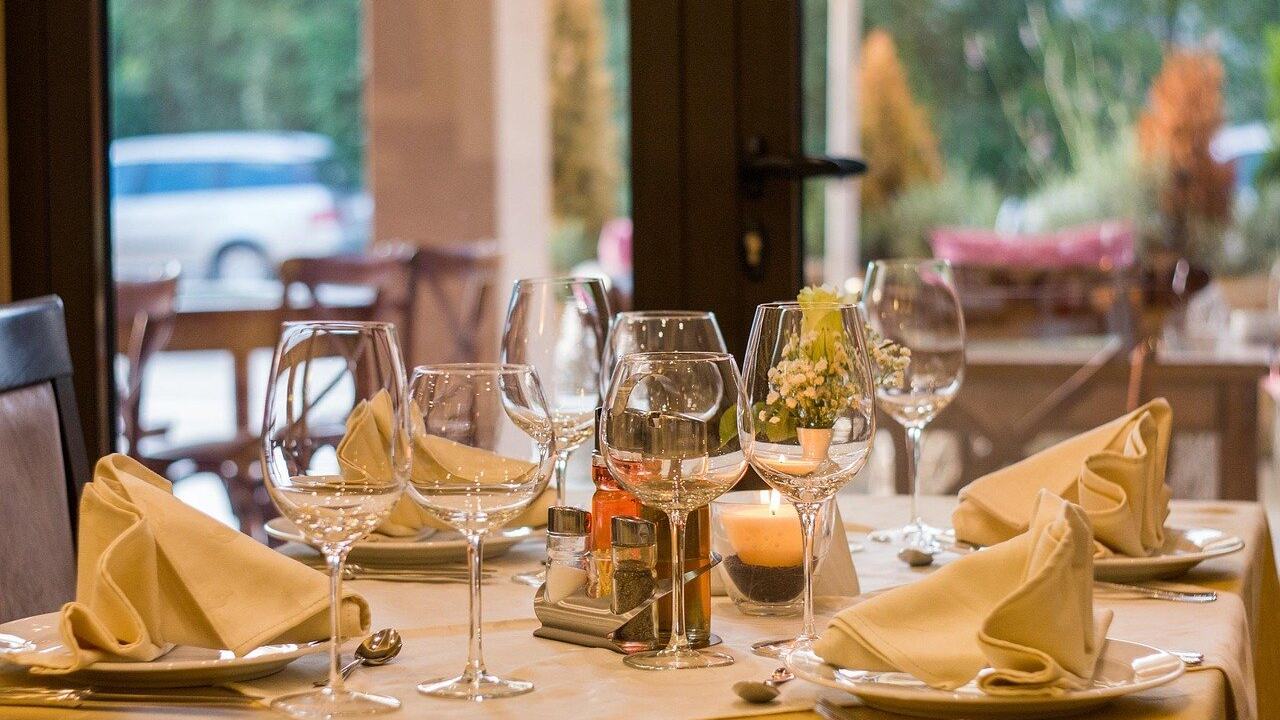
Once you are seated, you can judge cleanliness and order at close range. The signs of a restaurant that is not clean are mostly low-tech: dirty floors, tables that have not been wiped down properly and baseboards that have never seen a duster. The professionals quoted by Mashed list all three as bad signs.
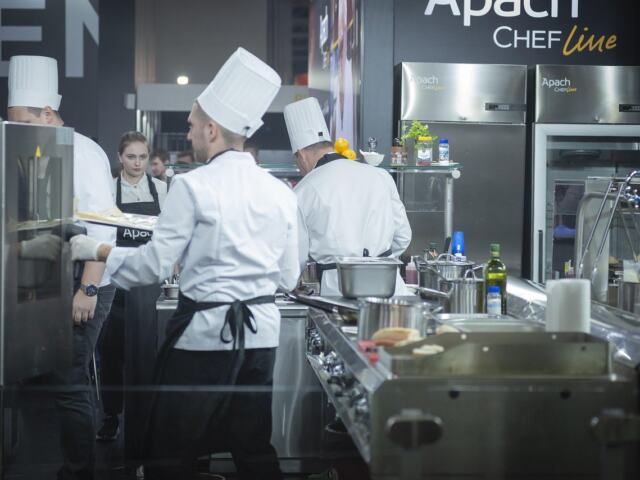
Service shows the state of the kitchen behind it. The same article describes a host who cannot quote a basic wait time, or servers who keep moving without a purpose, as disorder. A restaurant that cannot manage the front of the house often struggles at the pass too.
- Look down as well as across. Floors and baseboards are overlooked by diners and by careless staff alike.
- Touch the table and the bottles. A sticky surface tells you more than a glance.
- Watch the staff for a minute. Purposeful movement and a confident wait estimate are what an organised room looks like.
When food arrives
The plate is the last chance to catch a problem, and the point where overall quality matters more than hygiene alone.
Finish and thought
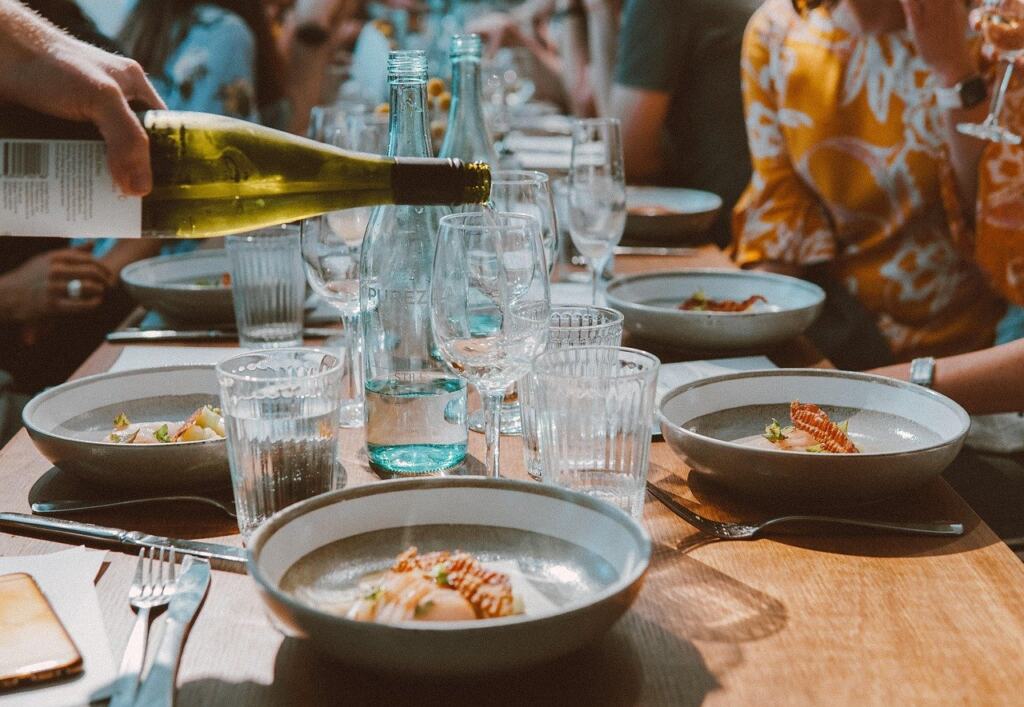
Dishes that lack one thoughtful standout touch can signal a minimal kitchen. The Mashed source points to a pickle or a garnish that ties everything together, rather than an afterthought. A plate with no finishing detail is not a failure by itself. It is one more data point, so weigh it with what you saw at the door and the menu.
Food that is held or cooled badly
You cannot take a probe to a restaurant’s food, but the industry rules explain what to look for. The Hawaii Restaurant Association says TCS food, meaning food that needs temperature control to stay safe, must cool from 135°F to 70°F in 2 hours. It must then reach 41°F within 6 hours in total. A kitchen that lets hot food sit on the counter to cool is making a common mistake, because modern walk-in coolers are designed to take hot food.

The same source says display coolers, ice wells, table-top coolers and under-counter coolers are not designed to cool food. Their job is to keep already cold food cold. When you can see how food is stored or displayed, ask whether it looks protected and kept at its intended temperature.
If you spot a flag
Match your response to the moment, because your options narrow as the meal goes on.
- Before you go in: if the exterior is neglected, walk on. You lose nothing.
- At the door or menu: a sprawling menu, a confused host or a grubby menu is a reason to pause. Ask for the wait time and look at the room before you commit.
- At the table: if the table or floor is dirty, ask for a different table. If the whole room looks the same, leave before ordering.
- After the food arrives: a plate with no finish is a reason to note the place down, not to storm out. Food that looks held badly is a reason to stop eating.
Whatever you decide, a single odd detail should send you looking for the next sign rather than ending the meal. Several together should settle it.
Frequently asked questions
Is a long menu always a bad sign?
No. A long menu is a reason for wariness, not proof of poor food. The test is whether a few dishes stand out with a clear point of view.
Is slow service a red flag when the restaurant is full?
Busy rooms are slower, but the timing between courses should still be correct even when all seats are full. A host who cannot quote a basic wait time suggests disorder rather than demand.
Is a missing soap dispenser a reason to leave?
A chef-sourced list at A Magical Mess calls the absence of soap in the dispensers a critical health violation. It does not cite an agency, so treat it as a strong visible sign and not as an inspection finding.
Do cobwebs and dust on the reception desk matter?
An owner quoted by Mashed checks everything from cobwebs in the corners to dust on the reception desk. They are minor on their own but are the first things you see, and they show whether anyone is looking after the room.