| Dish or approach | Key detail | Planning use |
|---|---|---|
| Butter chicken in a slow cooker | Chicken cooked with coconut milk and chicken stock, taking up to five hours | Start it early and build the rest of the meal around a long, hands-off cook. |
| Bo ssam pork shoulder | Pork shoulder in the oven for about eight hours | A day-at-home project, not a weeknight dish. |
| Beef burrito bowl | One pot, with leftovers | Suits cooks who want less washing up and food for later in the week. |
| Grilled pineapple and pepper meatballs | Can be made ahead in the morning | A weeknight dinner that only needs finishing when you get home. |
| Cauliflower fried rice | Raw cauliflower used in place of rice | A rice-free swap for stir-fry nights. |
Cooking times and equipment prices come from Condé Nast Traveler’s editors’ favourite international recipes, and the one-pot, make-ahead and cauliflower guidance comes from Half Your Plate’s international-inspired recipe roundup.
International dinner recipes are easiest to cook at home when you choose the dish to fit your time. Long, hands-off cooks suit slow days, while one-pot and make-ahead dishes suit weeknights.
For busy evenings, go straight to the easy weeknight dinner recipes list. For a broader set of starting points, the home recipes guide is the hub to return to.
Choosing where to start
Start with the time and energy you have tonight, not the country on the menu. Most dishes in this guide fall into three practical groups: dishes that mostly wait for you, dishes you can prepare in advance and finish later, and dishes that need steady attention at the stove for the whole cook. Deciding which group fits your evening narrows the choice faster than any recipe title will.
Weeknight dinners
A weeknight dish should lower the effort at the end of the day. Half Your Plate describes a beef burrito bowl cooked in one pot as a way to minimise cleanup while providing plenty of leftovers. The same roundup suggests making grilled pineapple and pepper meatballs ahead in the morning so that dinner comes together quickly. Both are good first choices because the work either happens in a single pan or takes place before the evening rush.
- Choose one-pot dishes when washing up is what stops you cooking. The leftovers are the second benefit: a dish that yields extra portions covers lunch the next day, so you cook once and eat twice.
- Choose make-ahead dishes when your evenings are unpredictable. Doing the main work in the morning means dinner is mostly finishing and reheating, which is the easier option on a day with meetings or a long commute.
- Choose meat-free cooking when you want a lighter midweek meal. The easy vegetarian recipes collection is the place to browse. The pad thai notes below show the same principle: eggs supply protein in the vegetarian version, and tofu takes that role in a vegan one.
Slow days and long cooks
Some of the most rewarding dishes ask for time but very little skill. Condé Nast Traveler’s editors note that butter chicken adapted for a slow cooker or Instant Pot takes up to five hours to cook, and that bo ssam means putting a pork shoulder in the oven for about eight hours. Neither needs constant attention, so both suit a weekend when you are home anyway.
The practical test is to plan backwards from the time you want to eat. A five-hour pot has to start early enough to finish before dinner, while a make-ahead dish only needs its final step. If you cannot be sure of being home at the start of the day, choose the make-ahead route instead. If you are home all day and can check the pot once or twice, the slow route gives you a finished dinner with very little effort at the end.
If you like the idea of a pot working while you do something else, browse the slow cooker recipes and the homemade soup recipes. Soups suit a cook who wants to try an unfamiliar cuisine without a long list of specialist ingredients, since a pot of broth can be reworked with the ingredients you already have.
Projects worth planning
Dough, fresh pasta and noodles reward a cook who enjoys process. Treat them as projects: read the whole recipe, set out the ingredients, then start cooking. Choose a project when you have an unhurried afternoon or a weekend, and keep a simpler dish in reserve for the night you run short of time. The sections below point to full guides for ramen, pizza dough, pasta and biryani, so you can match the project to your appetite for effort.
Noodles and stir-fries
Noodle dishes are fast once cooking starts and slow only in preparation. The skill lies in organisation: cut, measure and set out every ingredient before the pan gets hot. A stir-fry that feels chaotic the first time becomes routine once the setup is second nature.
Pad thai at home
Pad thai suits a cook who wants a noodle dish with a clear method and a short list of parts. The full pad thai recipe is the place to find the ingredient quantities and timings. The outline below shows the order of work, so you can see where the attention is needed.
- Prepare the noodles following the instructions on the rice noodle package, and drain them well so they do not water down the pan.
- Set out everything beside the stove: protein, sauce, aromatics and garnishes. A stir-fry moves too fast to chop mid-cook.
- Cook the protein first. A vegetarian pad thai gets its protein from eggs, and tofu can replace the eggs for a vegan version. Choose the egg version if you eat eggs and want the traditional structure, and the tofu version if you do not.
- Add the noodles and sauce and keep everything moving until the noodles have absorbed the flavour.
- Taste and adjust before serving, then add garnishes at the table so each person can finish their own bowl.
Tasting at the end matters because Thai cooking aims for balance. The Thai cooking overview linked above describes a balance of the four essential Thai tastes: spicy, sweet, salty, bitter and sour. If a plate tastes flat, ask which of those is missing instead of adding more of everything, which tends to make a dish heavy rather than better.
Ramen and noodle soups
Ramen is a different kind of task because it is built from components: broth, noodles and toppings. It suits a cook who enjoys assembling a bowl more than finishing in a hurry. The homemade ramen recipe breaks the work into stages, so you can prepare the elements separately and combine them at the end. Choose it for a weekend rather than a busy weeknight, and if you are cooking for a crowd, plan each component so that nobody waits over a single pot.
Fried rice and the cauliflower swap
A swap that changes the base of a dish is worth trying once, especially if you want to cut back on rice. Half Your Plate describes a cauliflower fried rice that uses raw cauliflower in place of rice and still absorbs the flavours well. It suits anyone who wants a rice-free stir-fry, or who wants to use a vegetable that would otherwise sit in the fridge.
If you want a traditional bowl of rice, keep the rice and save the cauliflower for another night. Because the cooking method is the same, you lose little by trying both in the same month and comparing them. Judge the result by the flavour and texture you enjoy most, rather than by which version is more virtuous.
Rice, curries and slow-cooked dishes
Rice and curry dishes reward patience more than technique. Many of them benefit from being cooked in a single large pot or a slow cooker, which is why they suit the long, hands-off approach described earlier.
Choosing a centrepiece rice dish
When you want a rice dish that feels like an occasion, the lamb biryani recipe is the route to take. It is best chosen for a day when you can give the preparation your full attention, rather than an evening when you are looking for something quick. If lamb is not the right protein for your household, decide before you shop which element you want to keep, and adapt the rest of the recipe around it.
Butter chicken in a slow cooker
Butter chicken adapts well to slower equipment. In the adaptation described by Condé Nast Traveler, the chicken goes into a slow cooker or Instant Pot with coconut milk and chicken stock, and the dish takes up to five hours to cook. The long cooking time is the trade-off for being hands-off. If you will be out of the house for most of the day, this is the version to choose. If you want dinner at short notice, pick a weeknight dish from the earlier list instead.
For a household that prefers mild dishes, the slow route also gives you a chance to taste and adjust near the end, before serving. Set aside a few minutes for that check, since a long cook can change the balance of a sauce.
Bo ssam and other oven projects
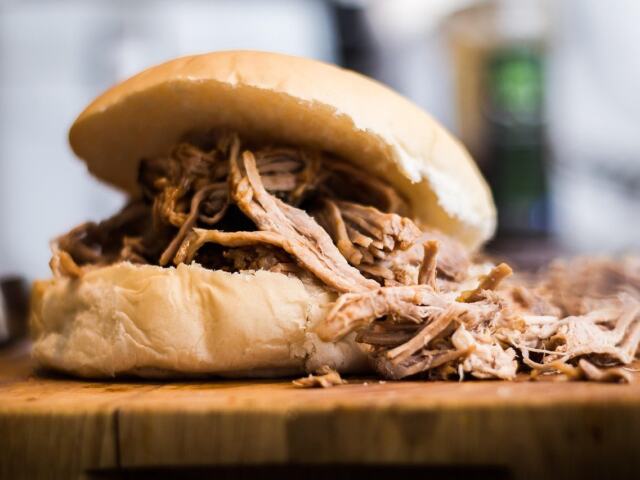
Bo ssam is a practical choice for a long oven day because most of the time is unattended. Per the same source, you put a pork shoulder in the oven for about eight hours. The oven is occupied for most of the day, so plan sides that do not need it. Keep the menu simple so the pork remains the centrepiece, and make sure the oven is free before you start.
Pasta, dough and baking
Italian cooking is often the easiest bridge into international dinners because its ingredient lists are short and its techniques carry over to many other dishes.
Pasta and pasta soups
Fresh pasta is a skill that pays off across many dishes. The homemade pasta recipes guide covers the method in stages. Once you can make a dough, sauced pasta follows quickly. Food and Journeys lists Bucatini all’Amatriciana (pasta with guanciale and tomatoes) among its international recipes, which shows how a short ingredient list can still define a dish. Choose a sauced pasta when you want something that comes together in one sitting, and a soup when you want food to keep for the following days.
For a soup that uses pasta, Condé Nast Traveler’s picks include an Italian wedding soup made with ground chicken, crumbled chicken sausage, orzo pasta, chicken broth and soffritto. It is a useful choice when you want a meal that can be divided into portions, and it gives you a reason to make a larger batch.
Pizza dough
Pizza is a good test of whether you enjoy working with dough. The homemade pizza dough recipe sets out the stages. Start here if the whole household wants to join in and you have a relaxed afternoon. Leave it for another day if you are short of time, because dough is a project that rewards patience rather than speed.
Cookies and no-bake treats
Dessert is a low-risk way to try a new cuisine. Ethnic Spoon, which describes its approach as easy, affordable ethnic recipes made with fresh, accessible ingredients, lists Lithuanian no-bake cookies known as Tinginys. A no-bake recipe suits a hot day or a kitchen without a working oven, and it avoids the oven time entirely. For baked options, the homemade cookie recipes are the place to look.
Grilling and searing
High-heat cooking adds flavour that gentle methods cannot. It suits cooks who like to stay close to the heat and who want a visible result, such as browning and char.
Grilling
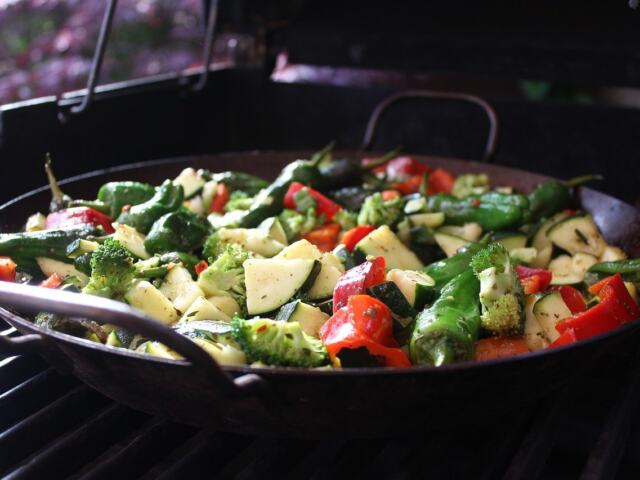
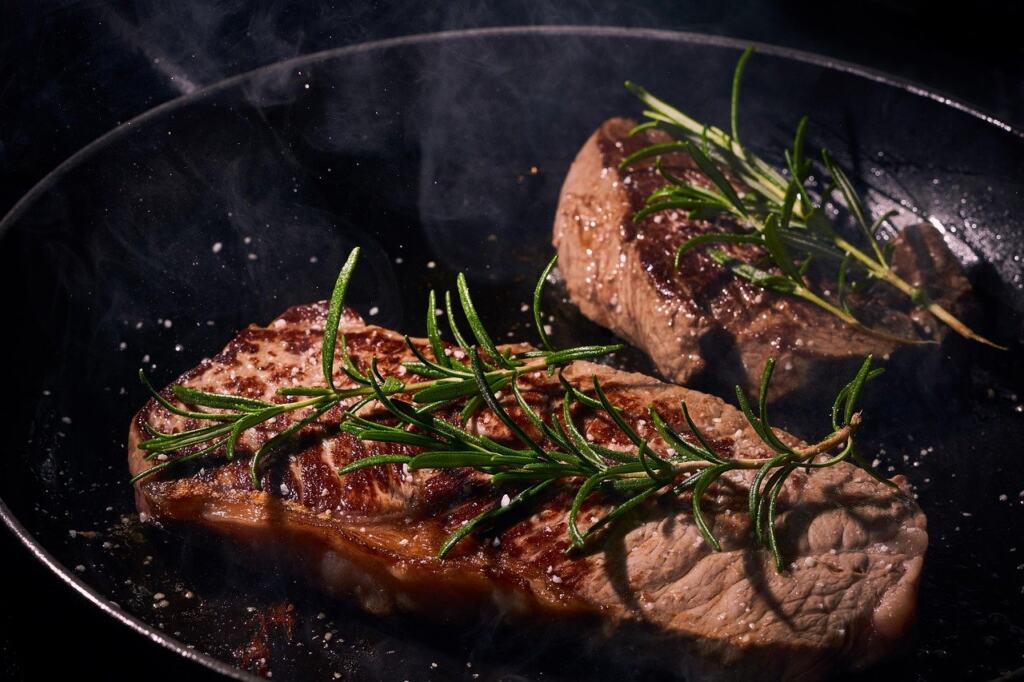
Grilling changes both texture and taste. The Half Your Plate roundup points out that grilling vegetables chars them enough to add texture and taste to a dish. That makes the grill a good way to turn plain vegetables or fruit into the centre of a meal. The grilled peaches recipe applies the same direct heat to fruit. For meat, keep tongs close and turn the pieces as they cook, which is the activity shown in the photo below.

If you are planning a meal around the grill, the gourmet burger recipe is another option to compare with the vegetable and fruit ideas. The bacon recipes list is a further place to browse when you want to add a salty, savoury element to a dinner.
Skillet cooking
A skillet gives you the same direct, high heat indoors. The sear marks in the photo below show what a hot pan does to meat, and the cast iron skillet recipes collection is where to find skillet dinners. Choose a skillet dish when you want a simple method with a good crust and a single pan to wash. Choose a pot or slow cooker instead when the dish needs long, gentle cooking, such as the butter chicken described earlier.
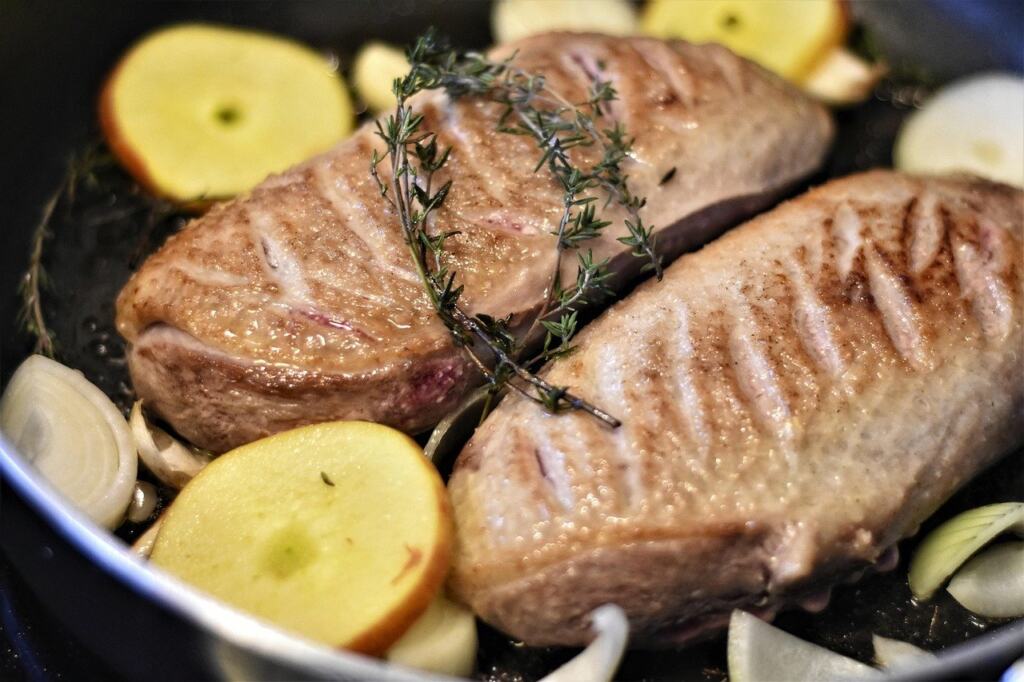
The seared fillets below show a similar technique with a different combination of ingredients. The apple, onion and thyme go into the same dark pan, so the dish is a single-pan meal rather than a multi-step plate.
Equipment that makes cooking easier
Good equipment shortens the gap between a recipe and a finished dinner, but you rarely need much of it. Start with what the dish asks for, and buy a tool only when you expect to use it again. The table below lists the tools named in the recipe roundup with their listed prices.
| Tool | Recipe use | Listed price | Planning use |
|---|---|---|---|
| Dutch oven | A braised French dish | From $155 | Worth it if you often braise or cook large, slow pots. |
| Bamboo steamer | Steamed buns | From $20 | A low-cost way to try steamed dishes. |
| Compact food processor | Homemade hummus | $51 for a Cuisinart DLC-2APK Mini-Prep Plus | Suits small batches of dips and pastes. |
Equipment suggestions and prices are retailer listings reported in Condé Nast Traveler’s recipe roundup, so treat them as starting points and compare current prices before you buy.
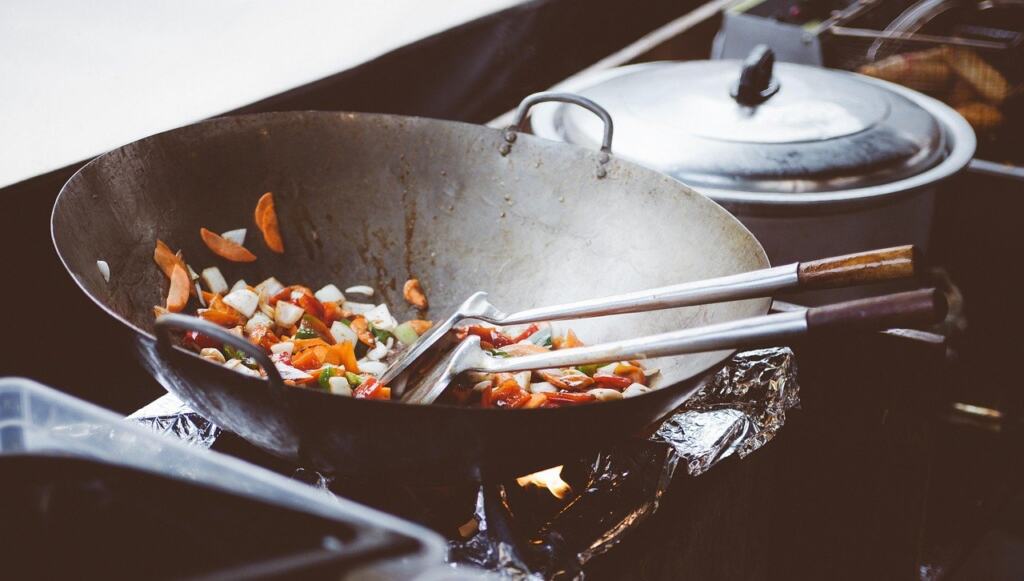
- Wok or large frying pan: the tool for noodle dishes such as pad thai, because the ingredients need room to move. The stir-fry photo above shows the constant movement that a wok supports.
- Slow cooker or Instant Pot: the tool for butter chicken and other long, hands-off dishes. If you already own one, you can try those recipes without buying anything new.
- Tongs: useful on the grill and in a wok, since both reward quick turning of ingredients.
- Heavy skillet: the pan for the searing methods in this guide, and the basis of the skillet recipes above.
The practical rule is to read the equipment line of a recipe before shopping. If a dish needs a tool you do not own, look for a version that uses what you have, or borrow the tool before you buy it. Buy the dutch oven or the food processor only after you have cooked the dishes that need them, so that the purchase follows real use.
Making restaurant dishes at home
Restaurant dishes become achievable at home when you separate the technique from the ingredients. Across the recipes above, the same few methods keep returning: a hot pan, a long slow cook, a sauce balanced to taste, and a finishing step at the table. If you can repeat one of those methods well, you can adapt the rest of a dish to what you have.
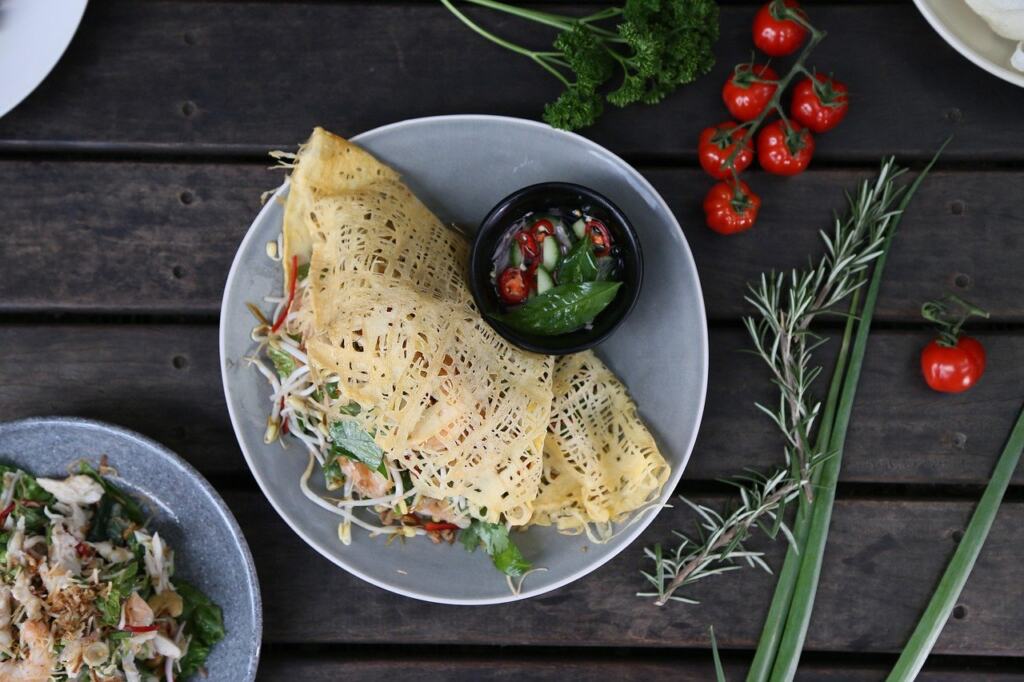
Ethnic Spoon’s approach, which centres on easy recipes made with fresh, accessible ingredients, is a sound principle for a home kitchen. If a specialty ingredient is hard to find, choose a version of the dish built around what your store stocks, and keep the method the same. The related Southeast Asian dish below is a useful reference for the garnishes and dipping sauce that often accompany a restaurant-style plate.
Swaps that keep the dish intact
- Protein: eggs or tofu can carry a pad thai, as noted earlier, so the dish does not depend on meat.
- Base: raw cauliflower can stand in for rice in a fried rice. This changes the dish more than a protein swap does, so judge it on its own terms.
- Heat: in a Thai-style eggplant curry, sliced Thai chilies go into the pot before cooking, and the mild default can be raised from there.
- Method: a slow cooker can replace long stovetop simmering for butter chicken. Time is the price of that convenience.
Keeping it practical
The most reliable habit is to read the recipe fully before you buy anything, then prepare all ingredients before heating the pan. Follow local food safety guidance when cooking meat and poultry, and check the timing given in each recipe rather than relying on appearance alone. When the dinner is an occasion, the thanksgiving dinner recipes guide is the place to plan a full menu. For an ordinary night, choose one dish from this page, cook it carefully, and add a second the following week.
Frequently asked questions
Is pad thai gluten-free?
Pad thai made with rice noodles is naturally gluten-free, according to a Thai cooking overview. Check the labels on any bottled sauces you add, because the noodles alone do not cover the whole dish.
How can I make a Thai-style curry spicier?
Slice Thai chilies and add them to the curry before cooking. The Half Your Plate eggplant curry is mild by default, so the chilies let each cook set the heat.
Which dish should a beginner cook first?
Start with a dish that has a short method and few parts. A one-pot beef burrito bowl or a make-ahead meatball dish from the weeknight section gives a clear result with little risk, and you can move to noodles or dough once your timing feels steady.