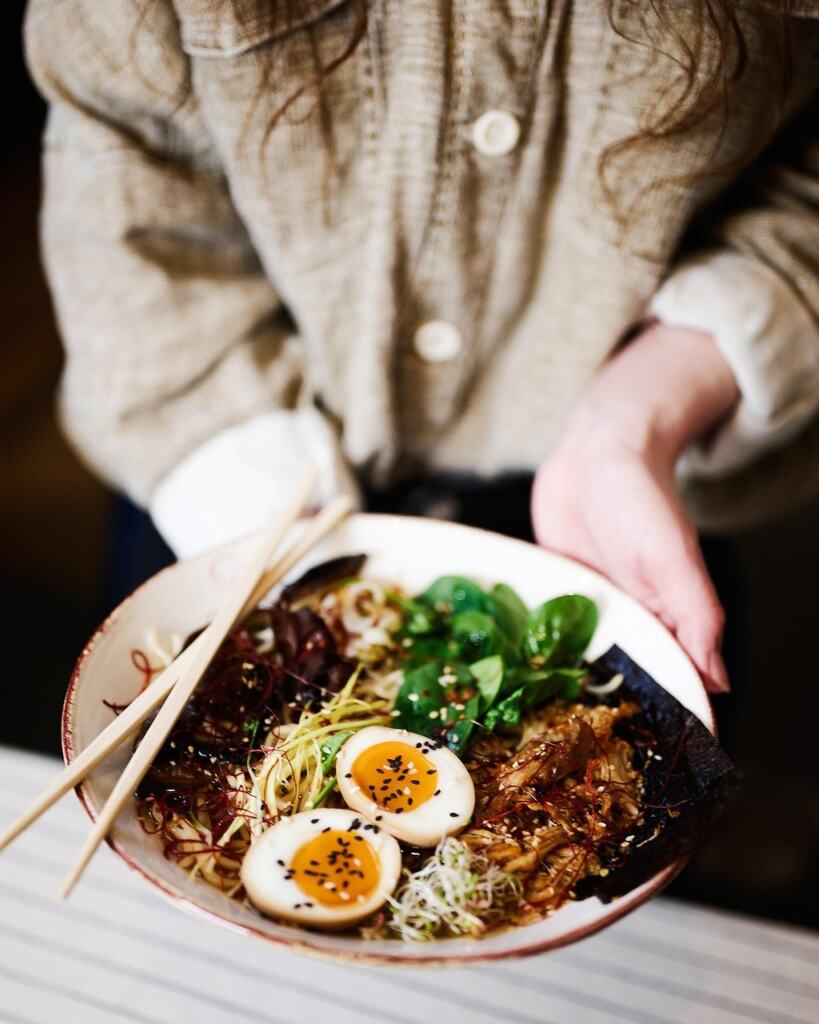
A homemade ramen recipe is a simmered broth, a seasoning (tare), noodles cooked separately and a soft egg. Change the tare and the broth base to move between shoyu, miso and pork-led bowls without learning a new method.
This method sits alongside our wider set of international dinner recipes. If you like cooking that spreads work over a couple of days, the homemade pizza dough recipe is a good companion project. Ramen’s overnight-salted pork also suits the kind of staggered prep that a holiday spread from our thanksgiving dinner recipes relies on.
What you need before you start
Ramen looks like a long project, but most of the work is waiting. The shopping list is short, and the only real planning point is to salt the pork the day before.
- Pork belly for the broth and topping. In a shoyu ramen recipe built on pork belly, the meat is rubbed with salt all over, covered and refrigerated overnight before it goes into the broth. The same pork is later sliced as the chashu-style topping, so one cut does two jobs.
- Noodles. Dried ramen noodles sold as chuka-men are the alkaline noodles made for ramen, and the same recipe calls for dried ramen noodles. Instant noodles are a workable shortcut, covered in Step 5.
- Seasoning. For shoyu you need soy sauce, sake, salt and sesame oil. For miso you need a tub of miso paste. The miso styles are compared below.
- Aromatics and toppings. Dried shiitake mushrooms go into the broth, and eggs and your choice of toppings finish the bowl.
The method, step by step
Step 1: Salt the pork belly
Rub salt over every surface of the pork belly, cover it and refrigerate it overnight, as the Kitchen Niche shoyu ramen method does. The salt seasons the meat before it meets the liquid, so the slices you serve taste seasoned all the way through. This is the only step that has to happen a day ahead, which makes it the easiest to forget. Do it when you shop.
Step 2: Simmer the broth
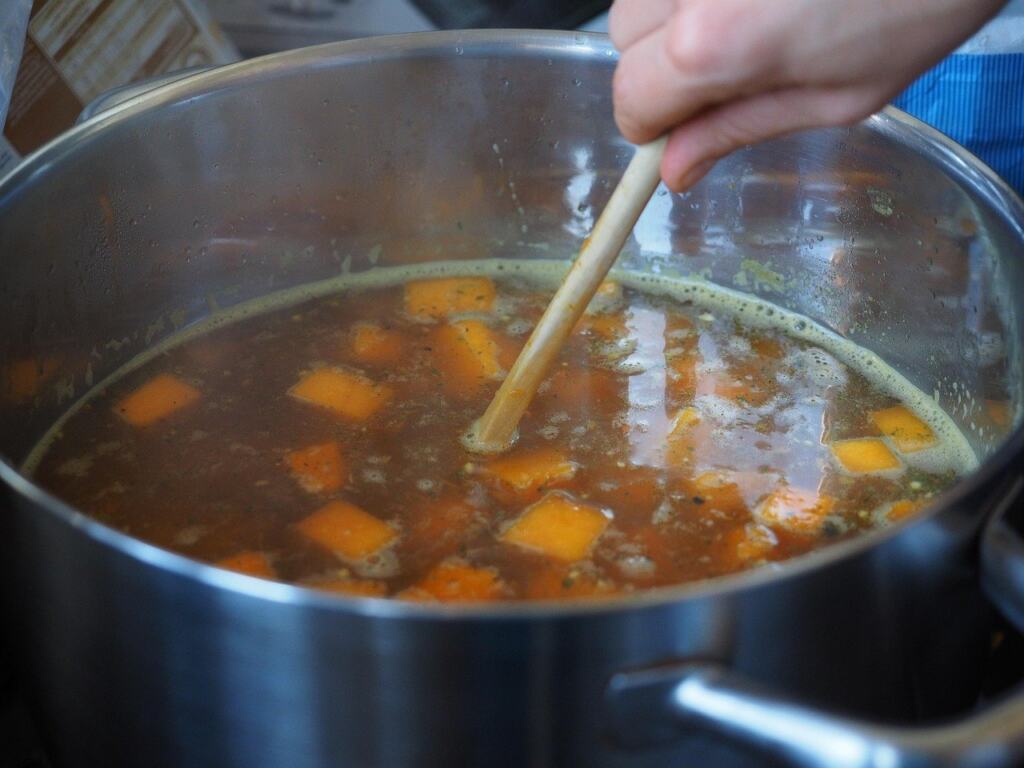
For a pork-based broth, simmer the salted pork belly covered for 1½ to 2 hours. A pressure cooker cuts that to about 20 minutes, per the same recipe. Use the long simmer when you are home anyway and want the pot to look after itself. Use the pressure cooker on a weeknight. That timing answers how long a pork broth needs when you are aiming for a tonkotsu-style bowl at home.
Soak dried shiitake in hot water for about 10–15 minutes until softened, then slice them and save the soaking liquid, as Food with Feeling advises.
A lighter chicken route is faster. In the Fork Knife Swoon chicken ramen, the broth simmers uncovered for 5 minutes. Dried mushrooms then go in for another 10 minutes of gentle simmering. The chicken is seared and then roasted 15–20 minutes at 375°F until cooked through. Choose chicken when you want ramen on a weeknight and are not chasing pork richness.
Step 3: Make the tare and season the broth
The tare is where one broth becomes different bowls. For shoyu, the Kitchen Niche recipe seasons its broth with 4 tbsp soy sauce, 3 tbsp sake, 1 tsp salt and 1 tbsp sesame oil. It defines shoyu ramen as soy sauce–based ramen with pork belly and soft-boiled eggs. Taste as you add, because the right amount depends on how much broth you have.
For miso, whisk the paste in off the heat or at a low simmer, which Food with Feeling says preserves its flavor. After the stock goes in, bring it to a gentle simmer and cook for about 5 minutes. Never boil the miso hard.
A practical way to branch is to make one pot of broth, then season each serving differently. Use soy-based tare for shoyu and stirred-in miso for the miso bowl. A pork-led bowl uses the pork broth from Step 2 with the seasoning you prefer.
Step 4: Cook the soft egg
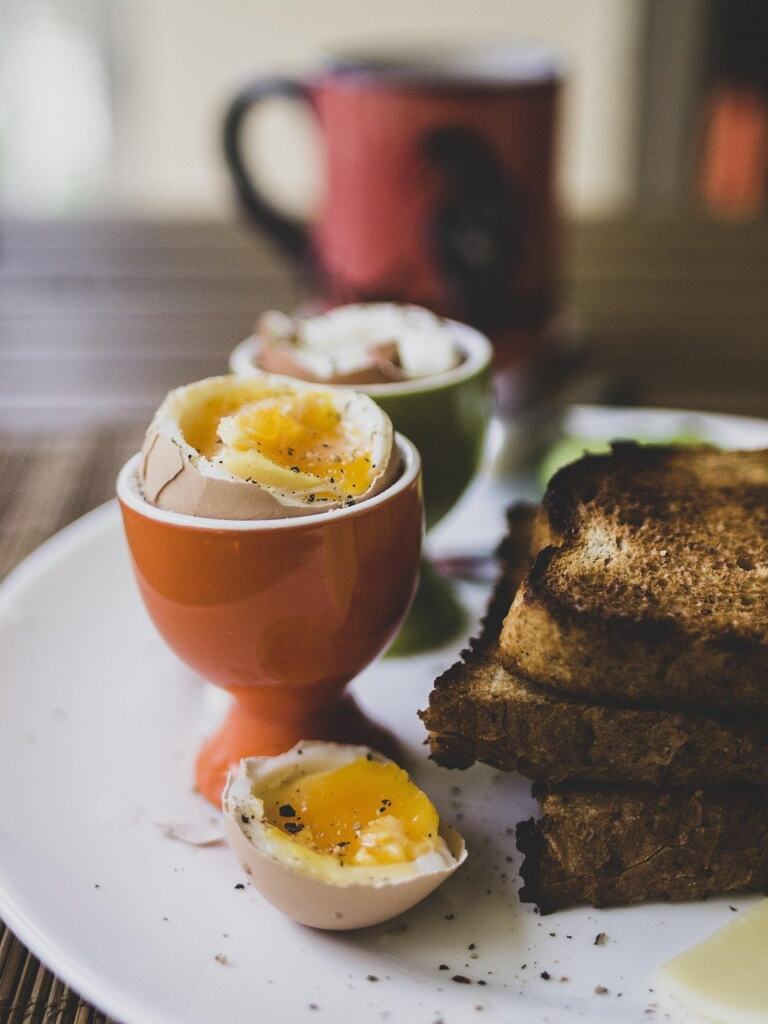
Boil the eggs gently for 6 minutes, lift them out with a slotted spoon and cool them right away. The Cozy Cook and Pinch of Yum both use that timing, and Pinch of Yum plunges the egg into an ice water bath. Fork Knife Swoon offers a choice. Simmer for 7 minutes for a slightly runny yolk, or 8 minutes for a soft but set yolk, then use the ice bath. Pick 6 or 7 minutes if you want the yolk to run into the broth. Pick 8 if you plan to halve and carry the eggs to the table.
Step 5: Cook the noodles separately
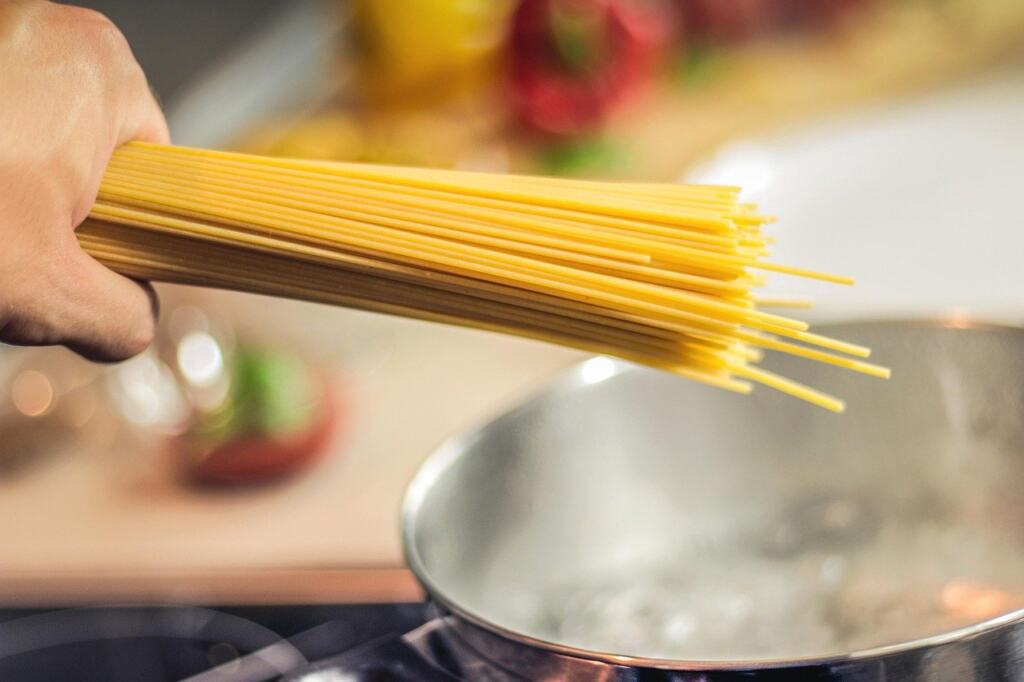
Cook the noodles in their own pot, not in the broth, so they do not soak up too much of it, as Food with Feeling notes. Slightly undercook them so they stay firm once they meet hot broth, per the Kitchen Niche recipe.
Instant noodles are a legitimate shortcut. The Cozy Cook uses Maruchan or Top Ramen but says any variety of ramen can be used. In the chicken ramen above, instant noodles cook for 2–3 minutes until soft. Dried chuka-men gives a closer match to a ramen-shop bowl, while instant noodles win on speed and cost.
Step 6: Assemble the bowls
Slice the cooked pork belly for topping and reheat the broth so it is properly hot. Put the drained noodles in the bowl first, ladle the broth over them, then add the pork slices and halved eggs. Add any other toppings last so they stay distinct. Serve straight away, because the noodles keep softening in the broth.
Shoyu, miso and tonkotsu compared
The three styles are not three recipes so much as three decisions about seasoning and broth. Shoyu is soy sauce–based and tastes clean and savory. It is the easiest first bowl because soy sauce, sake, salt and sesame oil are all ordinary pantry items. Miso brings a rounder, fuller flavor. The paste goes in gently and late, and the style suits cooks who want a heartier bowl with little extra work. Tonkotsu is the pork-led style. At home, the pork broth from Step 2 gives you that direction, with a seasoning of your choice.
Ramen is not limited to these three. Kitchen Niche describes countless regional varieties, from rich miso broths to light shio flavors. Once you have the base method, other styles mostly mean swapping the tare.
Timing checkpoints
| Stage | Cue or time | Planning use |
|---|---|---|
| Pork belly broth | 1½–2 hours covered simmer, or about 20 minutes in a pressure cooker | Use the pressure cooker on a busy evening; the covered simmer needs little attention. |
| Quick chicken broth | 5 minutes uncovered, then 10 minutes gentle simmer after adding dried mushrooms | The fastest route to a bowl of broth. |
| Chicken for topping | Roast 15–20 minutes at 375°F until cooked through | Check it is cooked through before slicing. |
| Soft egg | 7 minutes for a slightly runny yolk, 8 minutes for a soft but set yolk, then ice bath | Choose by how runny you want the yolk. |
| Noodles | Slightly undercook; instant noodles take 2–3 minutes until soft | Pull them early so they finish in the hot broth. |
These timings come from the Kitchen Niche pork belly ramen and the Fork Knife Swoon chicken ramen.
Frequently asked questions
Which miso should I use for miso ramen?
White or yellow miso gives a mellow, savory depth, according to Food with Feeling. Red miso works too but has a stronger flavor, so use it if you want a bolder bowl.
What are ajitama eggs?
Ajitama are soft-boiled eggs soaked in a soy sauce marinade before serving, an option described in the Kitchen Niche recipe. They are a good make-ahead topping.
What do I do with the flavor packet in instant ramen?
Leave it out. The Cozy Cook uses 2 packets of 3 oz instant ramen noodles and discards the flavor packet, so the homemade broth does the seasoning.
Should I keep the mushroom soaking water?
Yes. Food with Feeling says to save the liquid after the dried shiitake soften, rather than pouring it away.