Planning a Spanish menu or your first tapas crawl? Spanish cuisine is built on olive oil, saffron, paprika and cured ham, and each signature dish belongs to a region that explains how it is made.
This shortlist ties every dish and ingredient to its home region. It sits within our wider look at popular dishes from around the world, so use it to pick one dish to cook or order, then move on.
Paella: Valencia’s rice dish
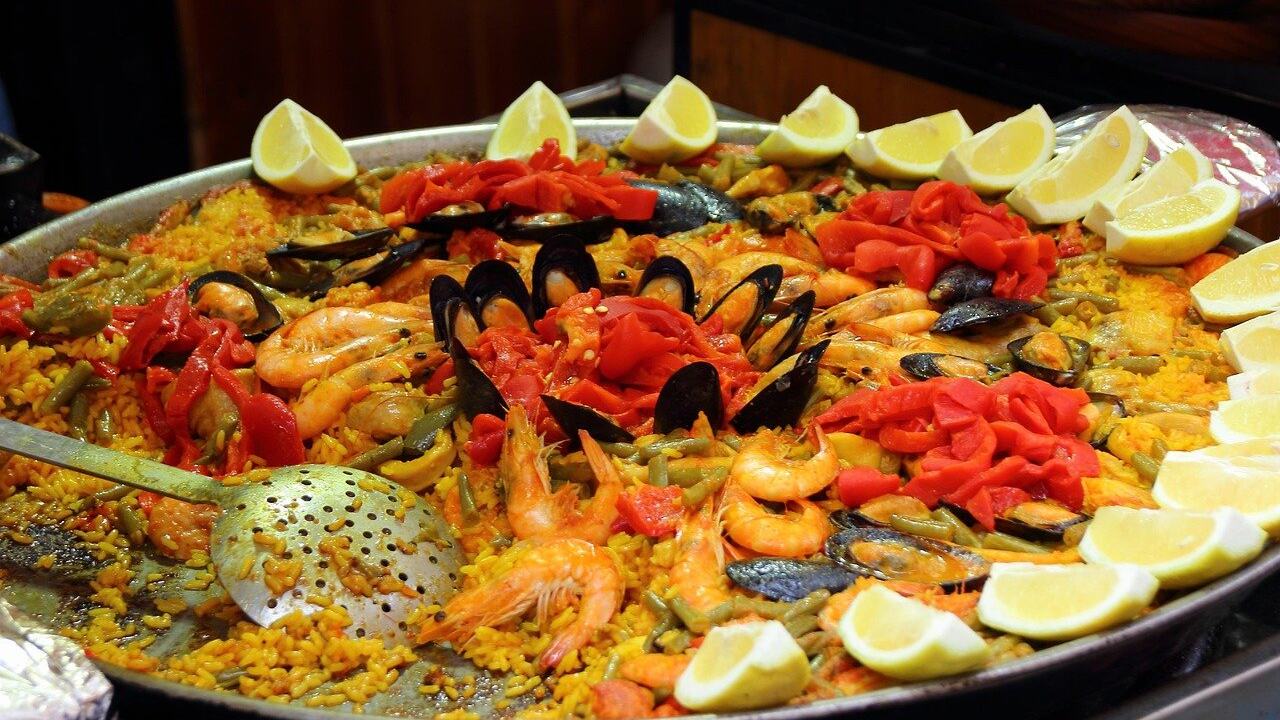
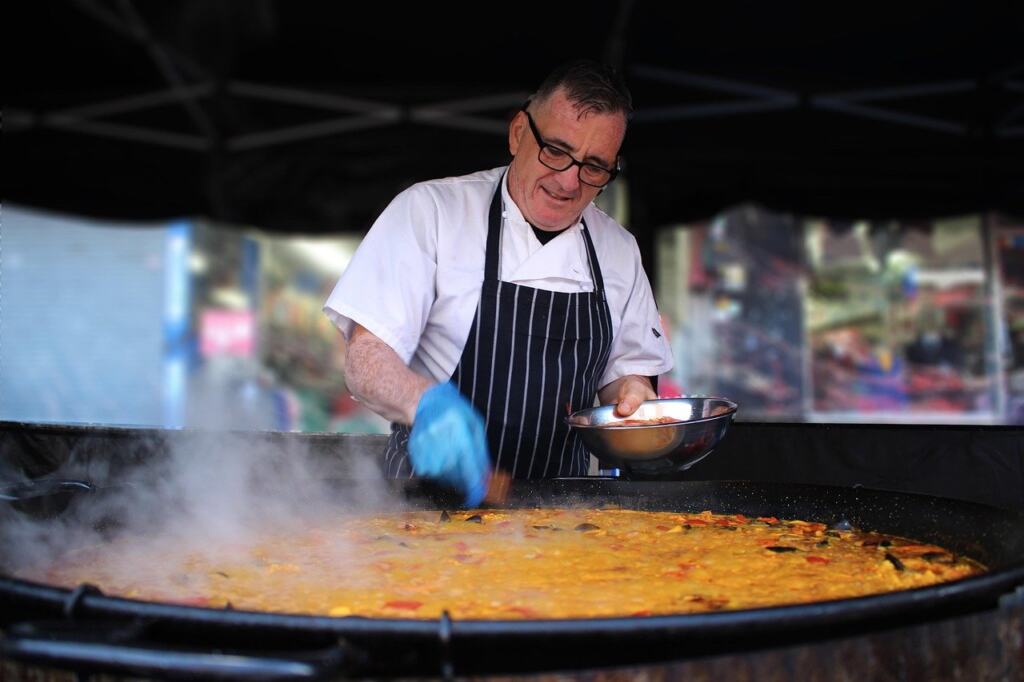
Paella is a Valencian rice dish cooked in a wide, shallow pan, and its ingredients vary according to the style, as the Cellar Tours Spanish food dictionary explains. It suits groups, because paella is traditionally cooked over an open flame and served as a communal dish, according to Iberico Taste. It is a poor fit for a quick solo supper, since the format is built around sharing.
Paella valenciana
The traditional Valencian version combines rabbit, chicken and a variety of beans. The same source adds green beans and sometimes artichokes, with Spanish saffron as the standout seasoning. If you want the benchmark version of the dish, this is the one to cook or order, and it is the best reference point before you try other styles.
Other paella styles
Because ingredients follow the style, there is no single paella recipe. Coastal regions specialise in fish, shellfish and rice dishes, Enforex notes, so seafood versions are a natural fit for diners who avoid rabbit or chicken. Check the style on a menu before ordering, because the label tells you which meats, shellfish and vegetables to expect.
Tapas, pintxos and raciones
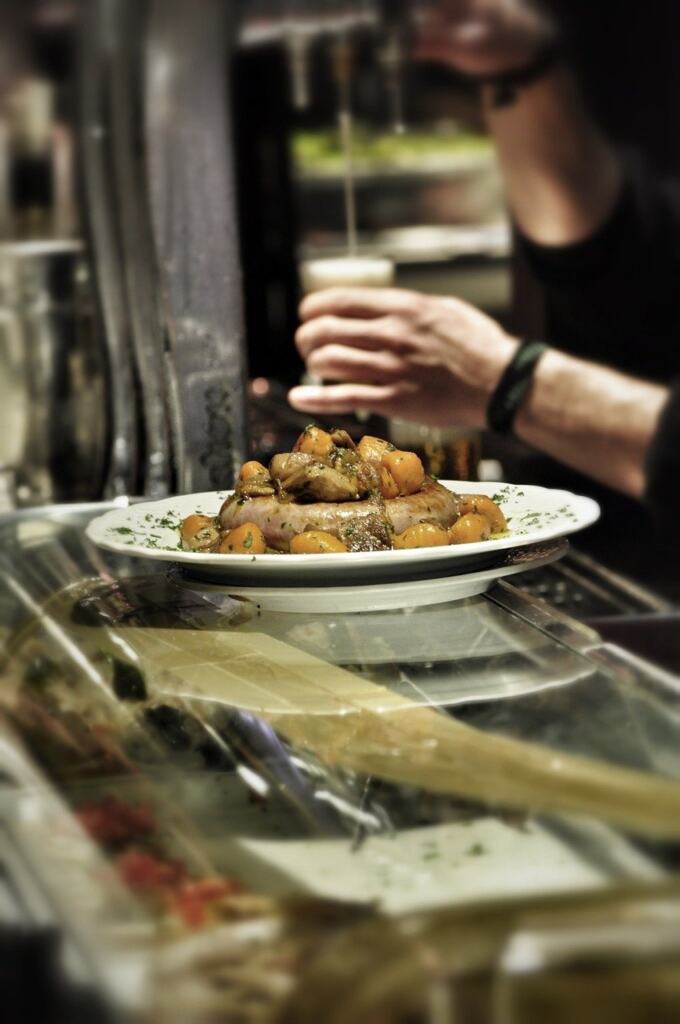
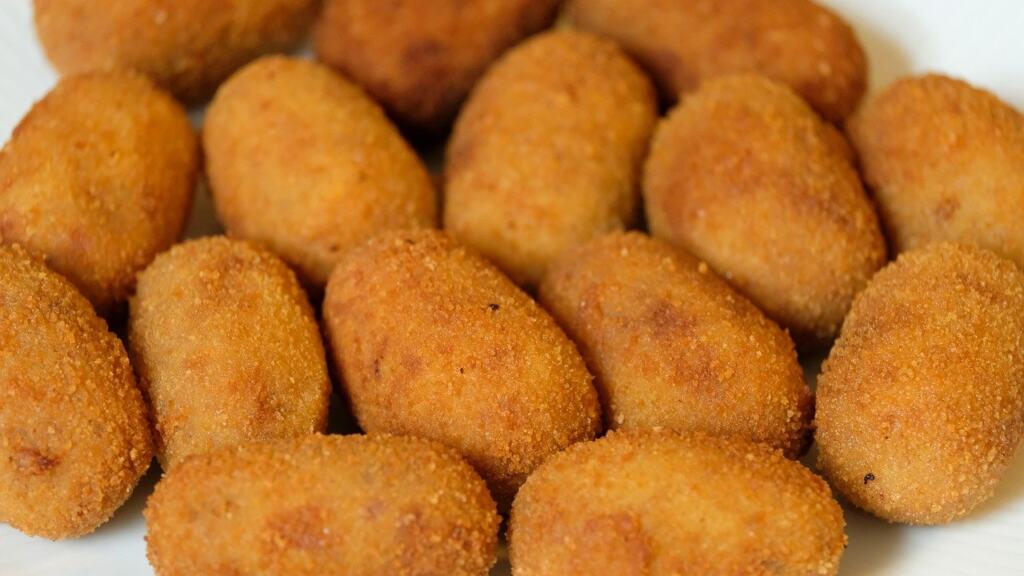
A tapa is usually a small bite of something, often eaten with a drink, according to Travel Past 50. The word describes a portion size and a way of eating more than a particular dish, so croquetas, olives and fried peppers can all count.
How tapas differ from raciones
The difference is size and purpose. A ración is a full portion, often ordered for sharing, and a media ración is a half portion, per the Cellar Tours dictionary. Order tapas when you want to taste many dishes in small amounts. Choose raciones when a group wants plenty of one dish, and ask for a media ración if the table is small or you want variety.
Jamón ibérico: Extremadura’s cured ham
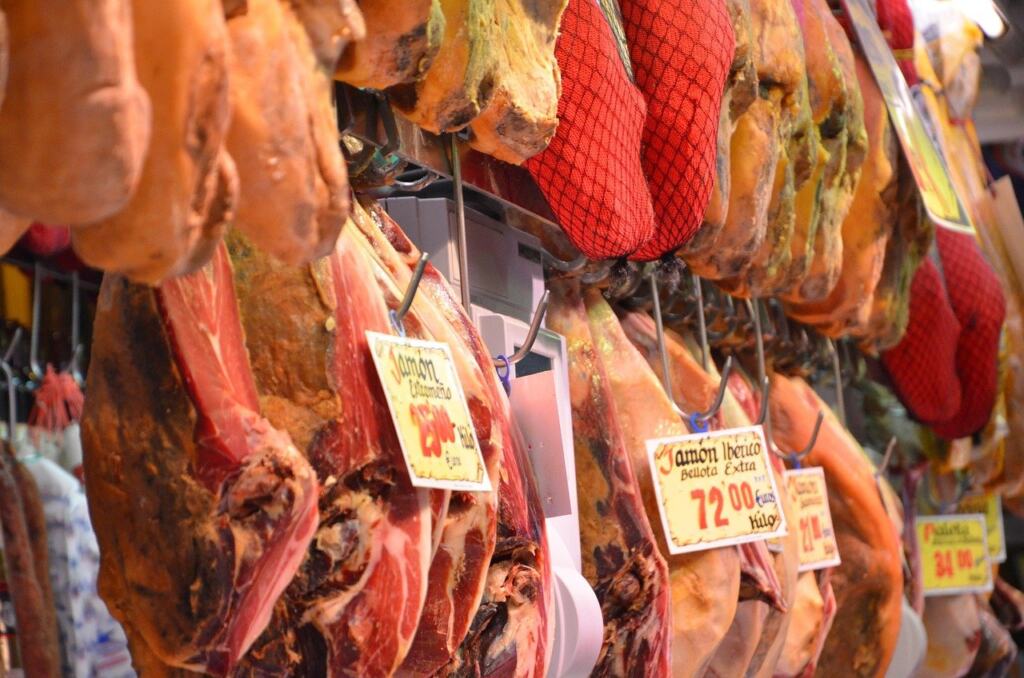
Jamón ibérico is described by Enforex as one of Spain’s most prized delicacies. Travel Past 50 links Extremadura with jamón ibérico de bellota, listing it beside migas, and describes the region’s specialities as Spain’s finest jamón, La Vera paprika, acorn-fed pork and truffles.
This is the item to choose when you want a cured product served simply, since it needs no cooking. It suits tasting boards and tapas orders better than recipes. The label matters when buying, because the bellota grade is the one the regional sources highlight.
Core Spanish ingredients
Travel Past 50 defines the cuisine by olive oil, citrus, fresh meats, seafood and vegetables, and Iberico Taste adds that local ingredients are paramount in Spanish cooking. Olive oil is the staple fat, so it is worth buying well.
- Olive oil. It carries both frying and finishing, and regional examples include La Mancha olive oil from Castilla-La Mancha.
- Saffron. It gives paella valenciana its golden hue, and Enforex credits the Moorish period with introducing rice and spices such as saffron and cinnamon.
- Pimentón (paprika). Paprika and saffron are the signature spices, and La Vera paprika is an Extremadura speciality. Travel Past 50 says the Moorish influence on these flavours might surprise newcomers.
- Manchego. This cheese belongs to Castilla-La Mancha, alongside game, peppers and La Mancha olive oil. It suits a cheese board or a tapas plate.
Cooking techniques in Spanish kitchens
Sofrito as a flavour base
Sofrito is a slowly cooked flavour base typically made with olive oil, onion, tomato and other aromatics, according to the Cellar Tours dictionary. Cook it slowly rather than quickly, because the method is what builds the base for rice dishes and stews.
Open-flame and gentle-frying methods
Paella’s open-flame tradition suits outdoor cooking and sharing. Tortilla española shows the opposite approach, a slow, low-key one: the potatoes are typically sliced thinly and gently fried in olive oil, and heat control is essential so the outside is not overcooked, Iberico Taste says. Both methods favour attention over speed, so avoid rushing either.
Regional signature dishes at a glance
Spanish food varies dramatically by region, from the seafood of Galicia to the Moorish-influenced dishes of Andalucía and the stews of Castilla. Enforex draws a broad line between coastal regions (fish, shellfish and rice) and inland ones (meats, cured products and stews). The table turns these regions into ordering choices.
| Region | Signature foods | Planning use |
|---|---|---|
| Valencia | Paella | Choose for a shared rice meal |
| Extremadura | Jamón ibérico de bellota, migas, La Vera paprika | Choose for cured meat and spice buying |
| Castilla-La Mancha | Manchego cheese, game, peppers, La Mancha olive oil | Choose for cheese and pantry staples |
| Madrid | Cocido madrileño, churros con chocolate | Choose for a hearty stew or a sweet finish |
| Andalucía | Gazpacho, jamón serrano, salmorejo | Choose for Moorish-influenced dishes |
| Galicia | Seafood | Choose for fish and shellfish |
Region details come from Travel Past 50, and the Valencian rice dish is described by the Cellar Tours dictionary.
Decision checklist: what to try first
- Decide the setting. Pick paella for a long shared table and tapas for a stand-up bar.
- Match the region to your taste. Choose coastal dishes for seafood and rice, and inland dishes for stews and cured products.
- Start with the benchmark dish. Order paella valenciana before the variations, so you know what the style is measured against.
- Add a cured item. Jamón ibérico or Manchego needs no cooking and works beside almost any dish.
- Cook with patience. Make a sofrito slowly and keep the heat gentle for tortilla.
For another cuisine to compare, read our guide to greek cuisine, or follow the Moorish thread into middle eastern cuisine.
Frequently asked questions
What is socarrat?
Socarrat is the prized crispy layer of rice that forms at the bottom of a paella, according to CookUnity, which pairs it with saffron, tender meats and fresh vegetables.
Is a pintxo the same as a tapa?
Not quite. A pintxo is usually a little bigger than a tapa and is served on bread, according to Travel Past 50.
Where did saffron and rice come from in Spanish cooking?
Enforex credits the Moorish period with introducing rice and spices such as saffron and cinnamon to Spain.
How many Spanish foods have protected status?
Travel Past 50 cites 249 protected denominations of origin (DO) and geographical indications (PGI) for Spanish foods and wines, a count that includes regional products such as Manchego.