New to Greek cuisine and unsure what to cook or order? Start with olive oil, feta, oregano and a shared mezze spread, then add one baked dish such as moussaka.
- To grasp the cuisine: cook around olive oil, feta and oregano, and buy locally made products where you can.
- To eat the Greek way: order several small plates for the table instead of one plate each.
- To pick a first dish: choose moussaka, a Greek salad or a spinach and feta pie.
Greek food is one entry among the popular dishes from around the world. The sections below follow the problems newcomers usually hit, from reading a menu to shopping for ingredients.
What defines Greek cuisine
Greek cuisine rests on a food culture that, according to a Cyprus college guide to Greek PDO products, spans thousands of years. It puts the emphasis on high-quality, locally sourced ingredients, and many of them have been awarded Protected Designation of Origin (PDO) status by the EU.
That origin focus is the most useful key for a beginner. When a menu or shop label names a place, the product is usually the one the dish is built around. Three traditions carry most of the weight here: olive oil, dairy (above all feta and yogurt) and the shared-plate habit of mezze. Each gets its own section below, and the regional section then shows where the mainland and individual towns differ.
Olive oil and olives: the central ingredient
Greek extra virgin olive oil, particularly oil with PDO status, is revered for its quality, flavour and health benefits. The same college guide names Sitia, Kalamata and Kolymvari as notable PDO olive oils. Those names tell you the oil is identified by where it was produced, not by a brand.
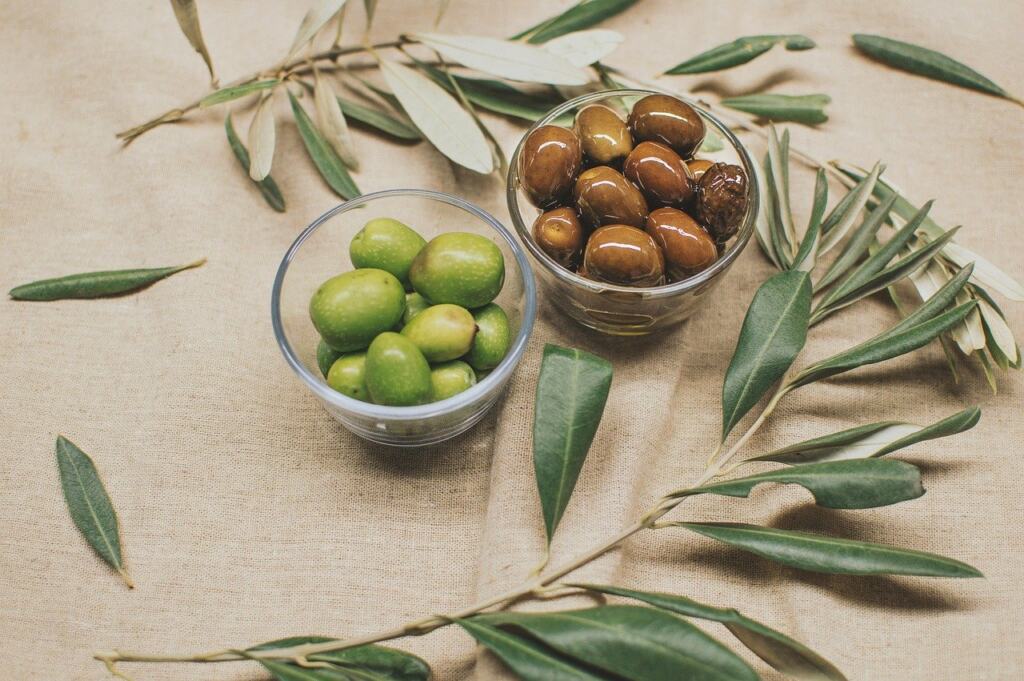
In the kitchen the oil does real work. It features in grilled fish, roasted vegetables and various mezze, and it is part of the classic yogurt dip with cucumber and garlic. A roast lamb dish uses it too, as the base of a sauce infused with lemon, garlic and oregano.
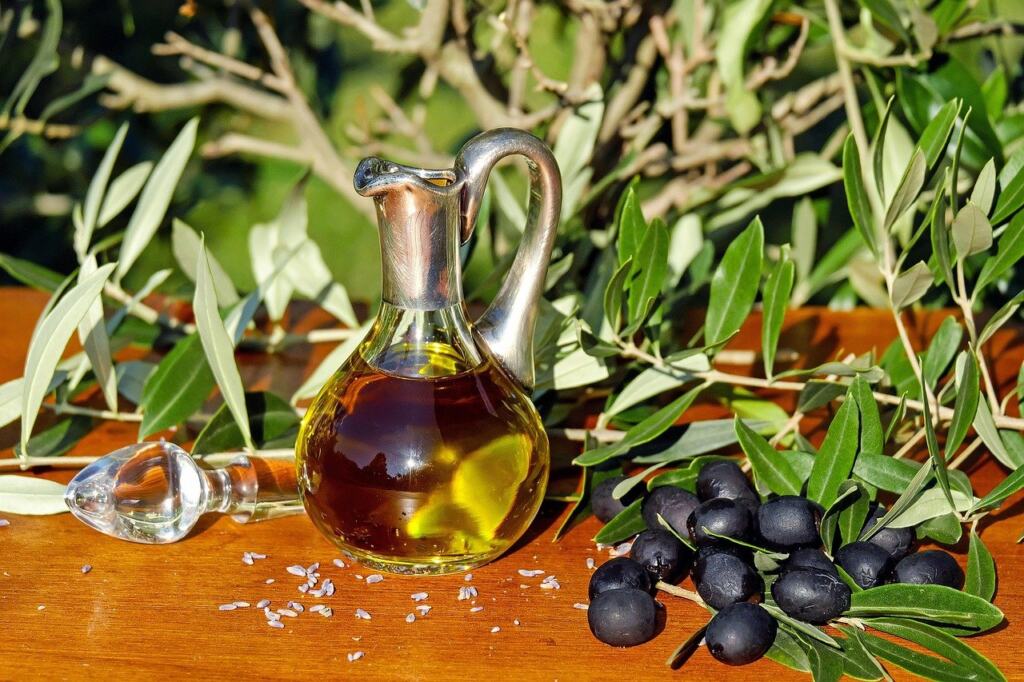
For everyday cooking, a plain extra virgin oil is enough. Keep a bottle with a named PDO origin for dishes where the oil is tasted raw, such as grilled fish or a salad dressed at the table.
Feta and dairy traditions
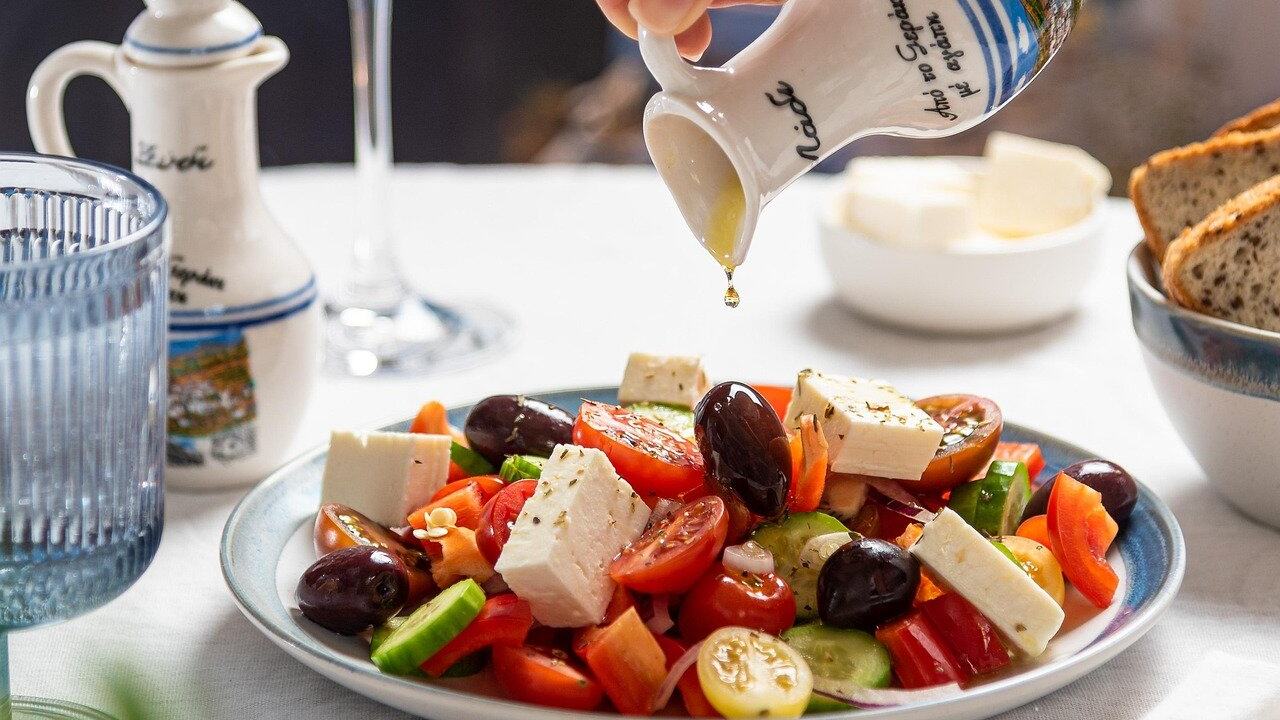
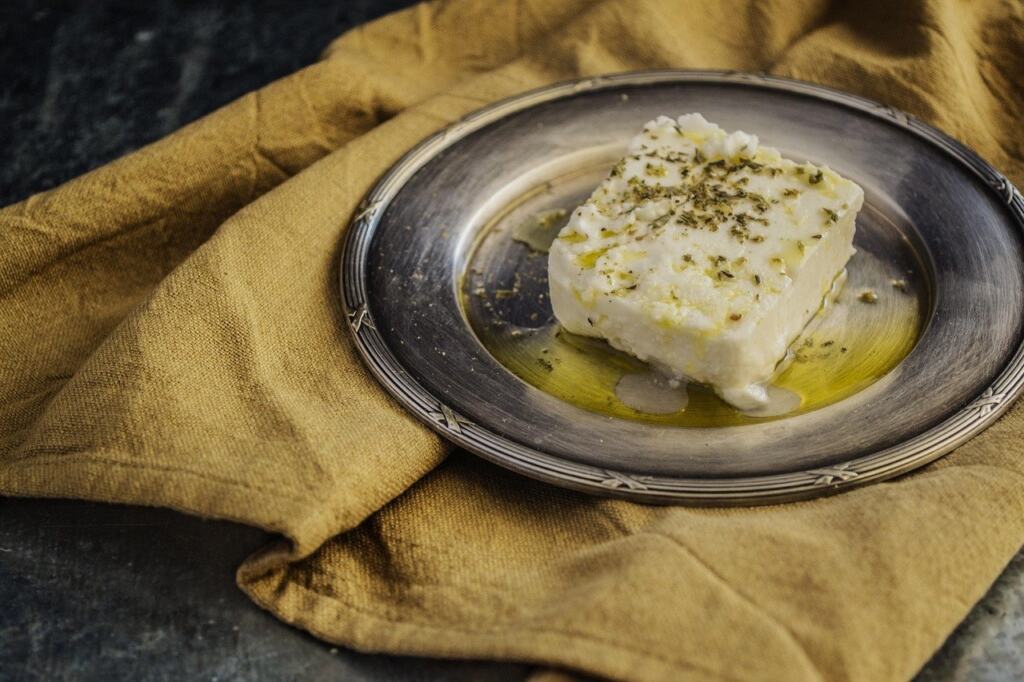
Feta is made from sheep’s milk or a blend of sheep’s and goat’s milk. That is why it tastes sharper and more distinctive than a generic white cheese. It shows up in two places beginners meet first: the village-style Greek salad, horiatiki, and spanakopita, Greece’s famous spinach and feta pie.
Yogurt is the other dairy staple. Tzatziki combines yogurt, cucumber, garlic and olive oil, and it works as a dip on a mezze table or as a cooling yogurt-based condiment beside grilled meat.
Mezze and shared plates
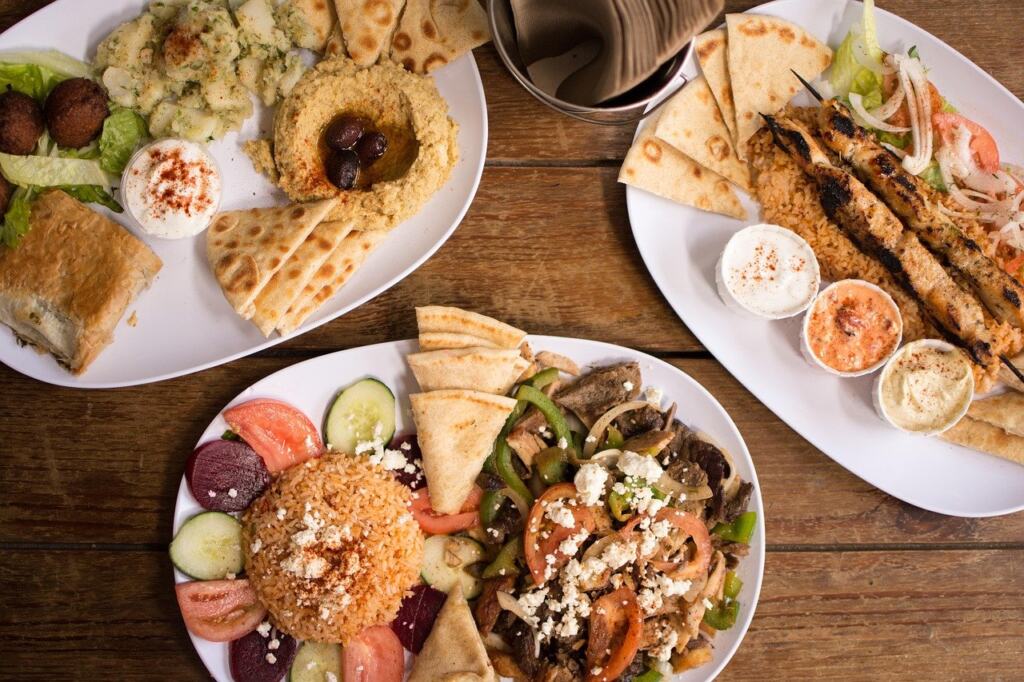
Mezze are shareable plates that often include a selection of dips, olives, cheeses and grilled meats. Sharing plates is a cherished tradition, according to a diner’s write-up of Greek food, so the table, not the individual, is the unit you order for.
A balanced spread needs contrast. Combine one creamy item such as tzatziki, one salty item such as olives or cheese, and one hot item such as grilled meat. Add more plates only if the group is large. Mezze built around olive oil, like roasted vegetables, sit well beside these.
Traditional dishes for beginners
These dishes give a fair overview of the cuisine without requiring unusual ingredients.
- Moussaka: a baked dish of layered eggplant, potatoes, meat sauce and creamy béchamel. It suits anyone who wants one substantial, oven-baked plate.
- Greek salad (horiatiki): showcases PDO feta cheese and Kalamata olives. It is the easiest way to taste the core ingredients with no cooking.
- Spanakopita: the spinach and feta pie, a good pick if you want a cheese-led dish with a pastry crust.
- Roast lamb: roasted in a lemon, garlic and oregano-infused olive oil sauce. This is where oregano earns its place in the cuisine.
- Baklava: layers of crisp, buttered phyllo packed with spiced walnuts and drenched in honey syrup. It is the dessert to try if you like honey-sweetened pastry.
If you can only cook one, make moussaka for a group and the salad as a quick side. The salad needs no oven and tests whether your feta, olives and oil are good.
Regional differences on the mainland and beyond
Regional contrast in Greek food is clearest in what each place produces. Feta is primarily produced in Macedonia, Thrace, Thessaly, Central Greece and the Peloponnese. Kalamata olives are grown exclusively in the Kalamata region of southern Greece and are recognised by their almond shape and dark purple colour. Saffron, by contrast, comes from the north.
Local habits matter as well as products. In Thessaloniki, for example, ketchup and mustard on a gyro is a perfectly normal order, which would surprise a visitor expecting only tzatziki. The table below turns these origin facts into practical choices.
| Situation | What to look for | Planning use |
|---|---|---|
| Buying cheese for salads or pies | PDO feta, produced mainly in Macedonia, Thrace, Thessaly, Central Greece and the Peloponnese | Check the label for one of these regions before paying a premium. |
| Choosing olives | Kalamata olives from southern Greece, almond-shaped and dark purple | Use them where a salad or mezze plate needs a dark, distinctive olive. |
| Choosing a finishing oil | PDO extra virgin oils such as Sitia, Kalamata or Kolymvari | Save these for grilled fish, roasted vegetables and mezze. |
| Ordering a gyro in Thessaloniki | Ketchup and mustard as a normal request | Expect local variation and ask what is on offer. |
The product origins come from the Greek PDO products guide, and the Thessaloniki gyro habit from a Greek food travel blog.
Common problems and fixes
- The salad tastes flat: check the three things horiatiki is built on: feta, Kalamata olives and good olive oil poured over at the end.
- The menu is overwhelming: order mezze to share and add one baked main, so the table samples more dishes with less risk of a poor choice.
- You want a dairy-free or lighter plate: lean on olive oil dishes such as grilled fish and roasted vegetables, which rely on the oil instead of cheese.
- You cannot find a specific PDO product: keep the structure of the dish and swap in the best local equivalent, because the cuisine is defined by quality, locally sourced ingredients.
Continuing the comparison
To see how another national cuisine handles ingredients and shared meals, compare it with spanish cuisine or korean cuisine.
Frequently asked questions
| Question | Answer |
|---|---|
| Where does Greek saffron come from? | It is harvested from the Crocus sativus flower in the Kozani region of northern Greece. |
| What are dolmades? | Dolmades are tender grape leaves stuffed with a savoury herb-infused rice filling, served as meze or an appetiser. |
| What is tzatziki served with? | It is often served beside kebabs as a refreshing yogurt-based condiment. |
| What is moussaka made of? | Layers of eggplant, minced meat and béchamel sauce, and some versions add potatoes. |