| Layer | What it contributes | Planning use |
|---|---|---|
| Andean foundation | Potatoes and over 300 native chile varieties, in a country with 28 individual climates | Start here. Most of the cuisine builds on these two ingredients. |
| Coastal national dish | Ceviche: raw fish marinated in Peruvian limes with cilantro, red onion and ají amarillo | Order first to taste the cuisine’s signature balance of citrus and chile. |
| Chinese layer (chifa) | Chinese food fused with classic Peruvian ingredients, as in lomo saltado | Choose lomo saltado when you want a hearty, familiar format. |
| Japanese and other arrivals | Spanish, Italian, Japanese, German and African influences listed alongside the Inca | Treat these as background layers that explain mixed menus. |
The descriptions above draw on the Spices Inc. introduction to Peruvian food and The Travel Bunny’s food and drink guide.
Peruvian cuisine rests on Andean potatoes and ají peppers, with Spanish, Chinese, Japanese and other arrivals layered on top. Start with ceviche, the national dish, then try lomo saltado for its Chinese-Peruvian accent.
This guide follows that order, from the highland and chile base to the immigrant layers. If you are comparing national traditions, our guide to popular dishes from around the world shows where Peru sits among them.
First layer: the Andean foundation
Peruvian cooking begins with the land, and the potato is its most important crop. Peru consists of 28 individual climates, and that range of growing conditions underlies the variety of ingredients in the cuisine.
Potatoes as a highland staple
According to PotatoPro’s profile of Peruvian potato growing, Peru is Latin America’s leading potato producer, with more than 5 million tonnes per year. The same source says the crop grows best at 3,000 to 3,800 m above sea level and at 15 to 25 °C. That makes the potato a highland ingredient, so expect it to anchor Andean-style dishes rather than appear as an afterthought.
Why the base matters for the rest of the guide
Potatoes supply the starchy, comforting side of the cuisine. Chile peppers supply the flavour and heat. The next section covers those peppers, because the dishes later in this guide, from ceviche to lomo saltado, depend on them.
Second layer: ají peppers and heat
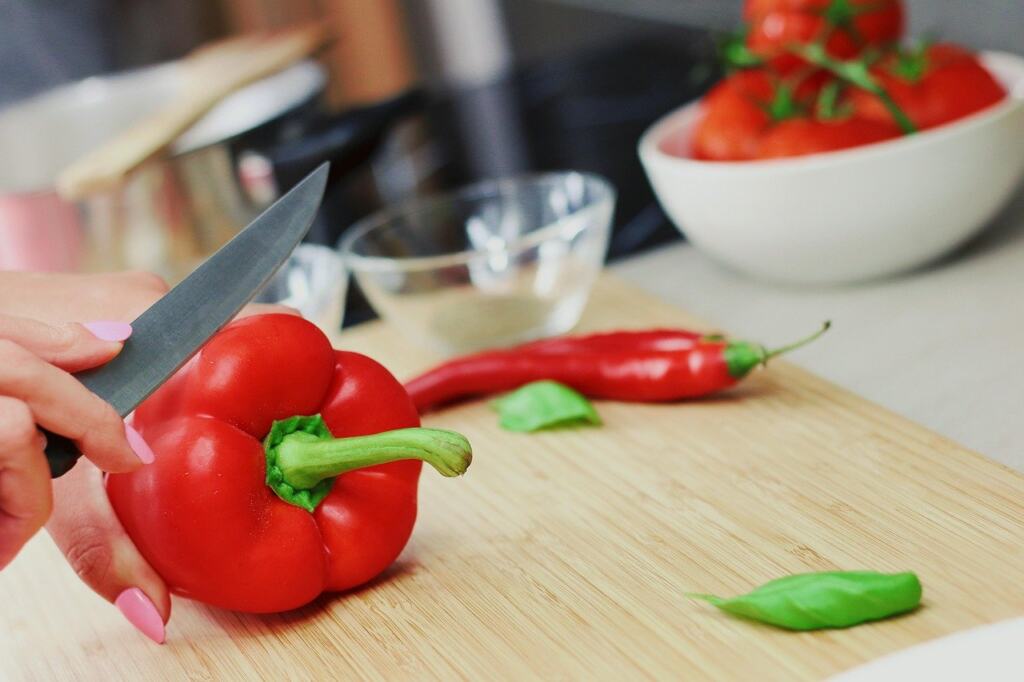
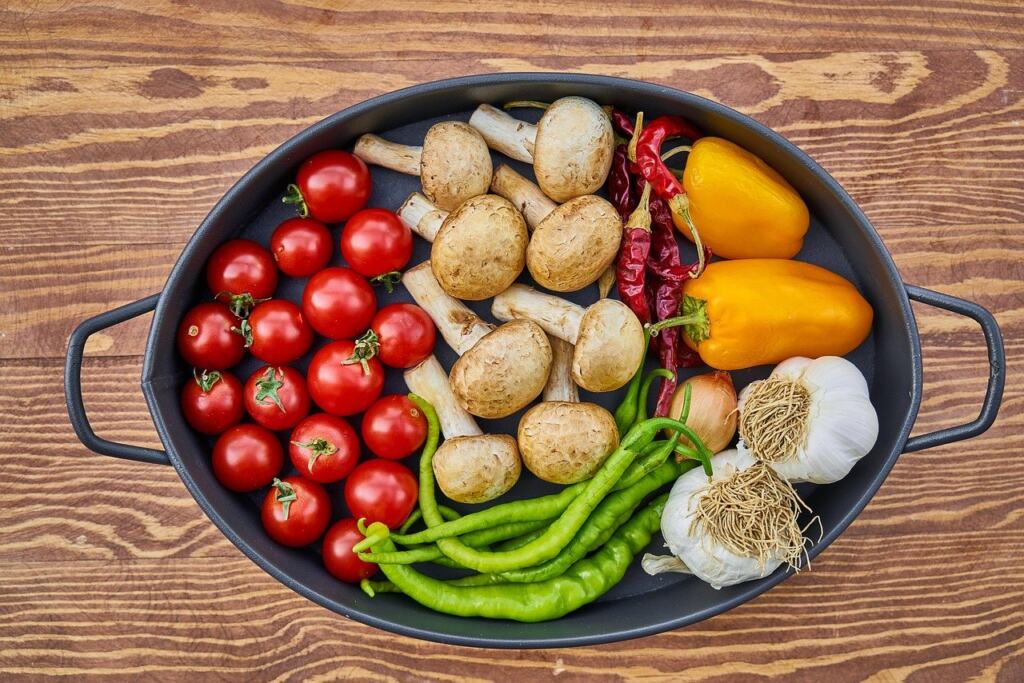
Ají peppers are the flavour core of Peruvian cooking. Over 300 varieties of chile pepper grow in Peru, and native peppers have been cultivated for about 7,000 years. That history is why ají is a condiment rather than a special occasion ingredient.
The three peppers to know
Three names cover most of what a reader will meet. The table compares them by heat and by how to approach each one.
| Pepper | Heat and flavour | Planning use |
|---|---|---|
| Ají amarillo (“yellow chile”) | One of Peru’s best-known chiles, used as a condiment for almost every dish | Buy or order this first; it appears in ceviche and much else. |
| Ají panca | Hot but not fiery, with smoke and sweetness; a close relative of ají amarillo | Suits cooks who want depth and sweetness without punishing heat. |
| Rocoto | Naturally extra spicy | Reserve for guests who like strong heat, notably in rocoto relleno. |
The amarillo and panca details come from Spices Inc., and the rocoto description from Next Level of Travel’s guide to Peruvian foods.
Choosing among them
Ají amarillo is the pepper that defines the cuisine, so it is the one to learn first. Panca is the natural second choice if you want a smoky, sweeter note from a close relative. Rocoto is the outlier because of its heat, which is why it is treated differently in the kitchen.
Third layer: ceviche, the coastal national dish
Ceviche is Peru’s national dish: raw fish marinated in Peruvian limes, served with cilantro, red onion and ají amarillo. It brings the chile base together with fresh seafood in a single plate.
How ceviche is prepared
According to The Travel Bunny, the fish is “cooked” by curing it in lime juice rather than by heat. The order of work is short.
- Choose the fish. Sea bass is the usual choice.
- Cure it in lime juice. The acid does the work that heat would do elsewhere.
- Add the seasonings. Coriander, chilli and ginger go in, alongside the onion and ají amarillo described above.
- Serve with the traditional sides. Sweet potato, cancha (toasted corn kernels) and leche de tigre accompany the dish, according to Spices Inc.
The sweet potato and corn are not decoration. They bring the Andean starch tradition to a coastal dish, so one plate carries several layers of the cuisine.
Fourth layer: Chinese and Japanese influence
Peruvian cuisine is a layered cuisine, and its influences include the indigenous Inca, the Spanish, the Chinese, the Italians, the Japanese, and German and African traditions. Two of those layers have names of their own on menus: chifa and Nikkei.
Chifa and lomo saltado
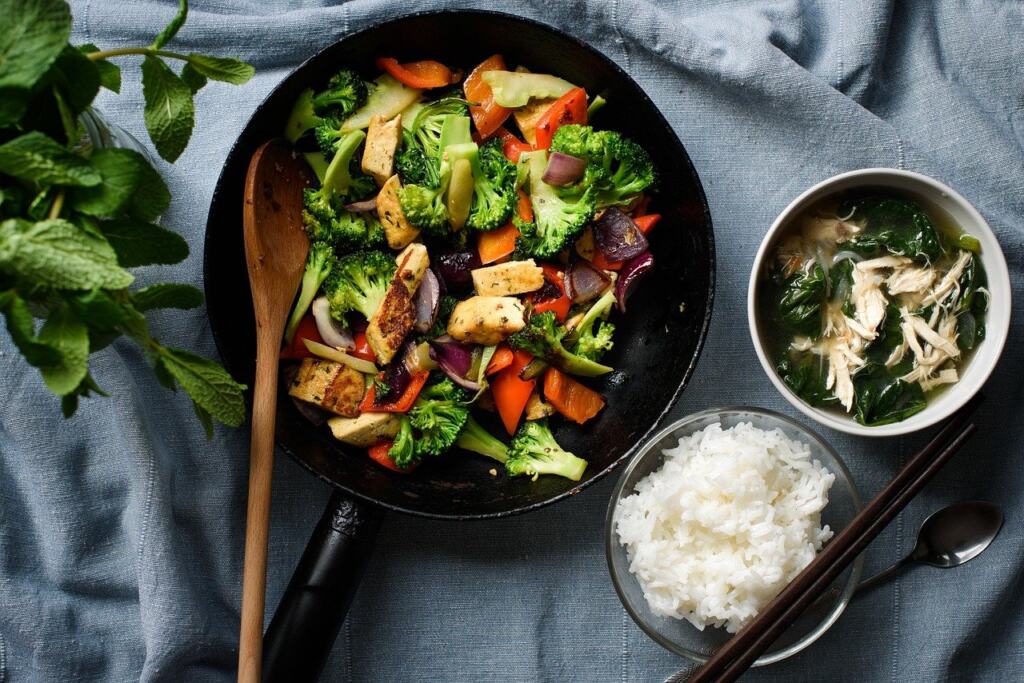
Chifa is the fusion of Chinese food with classic Peruvian ingredients. Its best-known example is lomo saltado, described there as a popular Criollo Chifa dish. It is a stir-fry of beef or alpaca with tomatoes, peppers, ají and ginger, served with fries and rice. That combination is a clear case of Chinese-style cooking meeting Peruvian chile, and it is the dish to choose if you want one plate that explains chifa.
The Japanese strand and Nikkei cuisine
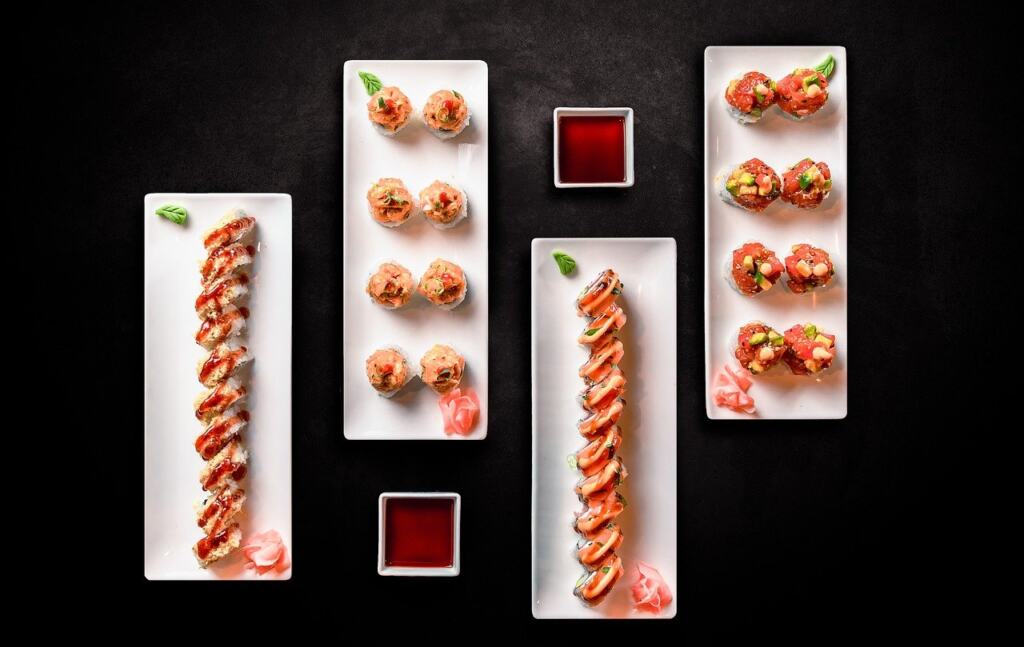
Japanese influence sits in the same list of influences as the Chinese and Spanish, and it is the thread behind the label Nikkei cuisine. Read Nikkei as the Japanese counterpart to chifa: a fusion label rather than a single dish. On a menu that uses it, ask what the kitchen combines before you order.
Putting it together: a tasting order and fixes
A sensible first run through Peruvian food follows the layers in this guide, and a few adjustments help when a dish arrives hotter than expected.
- Begin with ceviche. It shows the national dish, the lime cure and ají amarillo together.
- Move to lomo saltado. It adds the chifa layer and a plate of fries and rice.
- Add a pepper-led dish last. Rocoto relleno suits readers who already know their heat tolerance.
If rocoto relleno is the dish you want to cook, note that the peppers are soaked in water and vinegar first, so allow for that step. For a contrast in another culinary tradition, read about ethiopian cuisine.
Frequently asked questions
What is CIP-Asiryq?
CIP-Asiryq is a potato variety developed by the International Potato Center together with Indigenous farmers in Peru, and it resists late blight, according to PotatoPro.
What does lomo saltado mean?
The name translates as “jumping beef”, according to The Travel Bunny, which also calls the dish a Criollo Chifa classic.
Is quinoa Peru’s national dish?
No. Quinoa may come to mind first as a typical Peruvian food, but it is far from the national dish, which is ceviche.
What goes into a pisco sour?
Pisco is Peru’s national spirit, a grape brandy. The Travel Bunny’s recipe uses 1.5 oz pisco, 1 oz lemon juice, 0.75 oz sugar syrup and 1 egg white.