| Element | What it is | Planning use |
|---|---|---|
| Injera | A flatbread made from teff, fermented with water for a few days before baking | Treat it as the base of the meal and as your scooping tool, so order or make more than you think you need. |
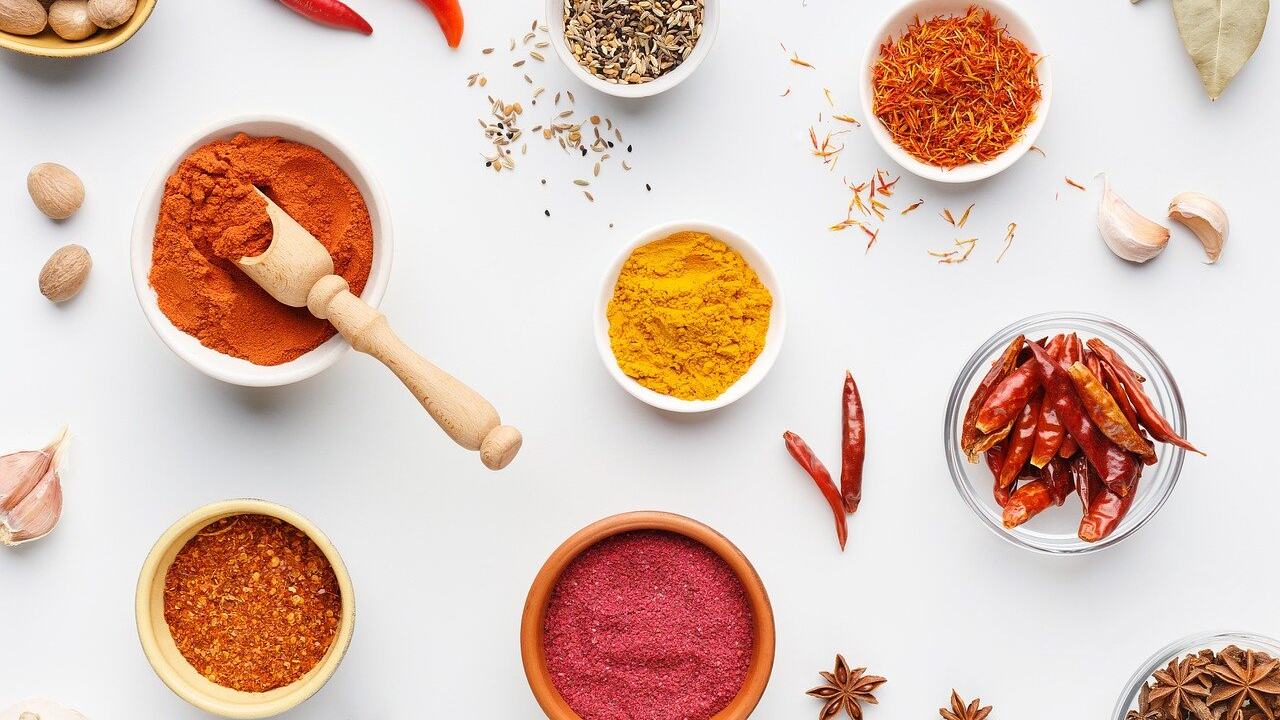
| Berbere | A hot red pepper powder | Expect it in the spiced stews; it sets the heat level of the meal. |
| Niter kibbeh | Clarified spiced Ethiopian butter | It is a dairy fat, so leave it out of plant-based fasting-day cooking. |
| Doro wot | Chicken legs or thighs in a thick spicy onion sauce, often called the national dish | A sensible first order if you want the dish most associated with the cuisine. |
Descriptions in the table follow a first-timer guide to Ethiopian food and an Ethiopian recipe collection.
Ethiopian cuisine centres on injera, a teff flatbread torn into pieces to scoop up spiced stews. Start with a shared platter, a lentil or chicken wat and plenty of injera; on fasting days, expect plant-based dishes.
This guide runs in the order of a meal, from the ingredients to the table manners and the fasting calendar. For the wider picture, see these popular dishes from around the world.
Before the meal: injera, teff and spice
Injera and teff
Injera is the foundation of an Ethiopian meal. It is a flatbread made from teff, fermented with water for a few days and then baked, according to a first-timer guide to Ethiopian food. A sourdough starter known as dabo ferments the teff batter, and the batter is poured onto a hot, circular griddle called a mitad, as described in an overview of Ethiopian food.
Teff explains why injera is distinctive. It is a gluten-free plant indigenous to Ethiopia. It is usually called a grain, though the first-timer guide describes it as a type of grass. Either way, it is the ingredient that makes injera what it is. Because teff is gluten-free, injera can suit people avoiding gluten, but check that a particular injera is made purely from teff before you rely on it.
Berbere and niter kibbeh
Berbere is a hot red pepper powder, and it flavours many of the best-known stews. It is also a blend of many spices and chilis, so a cook adds the blend itself and does not season stew spice by spice, as a home-cooking blog explains. That is why berbere gives a dish lots of flavour on its own, and why a berbere-based sauce needs a longer simmer than a turmeric-based one.
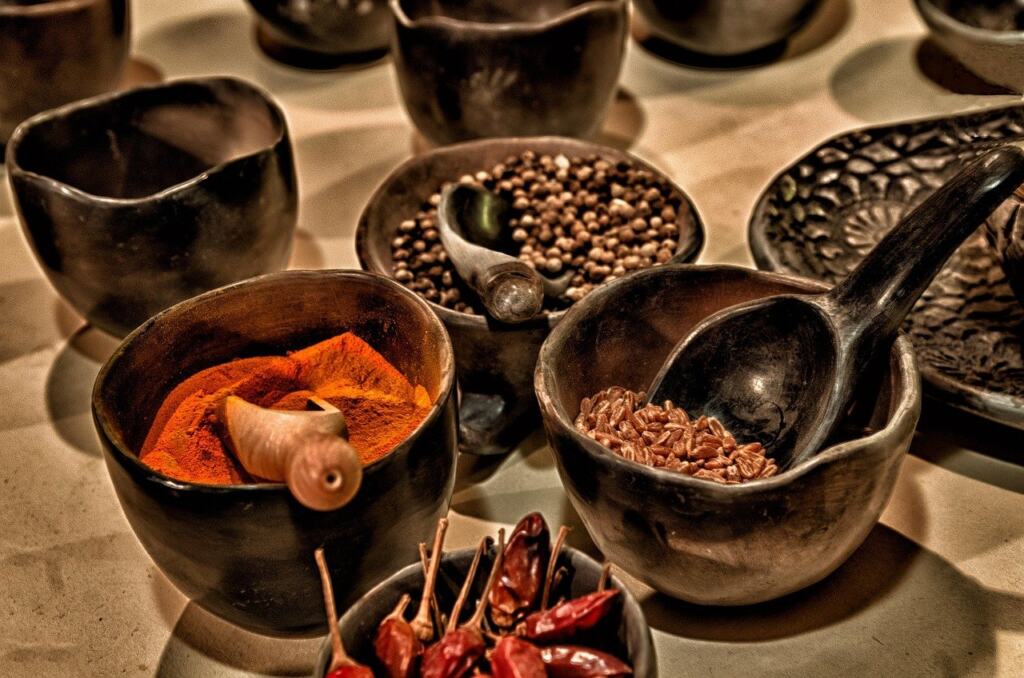
Niter kibbeh is the other flavouring to know. It is clarified spiced Ethiopian butter, used in the kitchen where other cooks would reach for plain butter or oil, according to the recipe collection. Together, berbere and niter kibbeh account for much of the depth people notice in the stews.
Setting the platter: wats and sides
A wat is a stew, and a typical platter combines several of them with vegetable dishes. Doro wot is often called the national dish, and the same recipe collection describes it as chicken legs or thighs in a thick spicy onion sauce. In Ethiopia the sauce is richer and more subtle than many restaurant versions abroad, according to an ethnic dining guide to Ethiopian food in Ethiopia.
Everyday eating looks different from the celebratory platter. Shiro wat, a stew made from shiro powder, is the daily food for most people in Ethiopia. The same dining guide notes that firfir dishes, which use injera soaked in spices, are far more common in Ethiopia than visitors might expect from restaurants abroad.
Common wats and sides at a glance
The table below sets out what goes into the dishes you are most likely to meet. Use it to build a balanced platter rather than ordering several dishes of the same type.
| Dish | Components | Planning use |
|---|---|---|
| Ye misir wot | Split red lentils cooked in berbere sauce | A hot lentil option that works on plant-based days. |
| Gomen | Collard greens cooked with onions, garlic and ginger | A vegetable side to set against the spiced stews. |
| Tikil gomen | Cabbage cooked with potato, carrot, onion, peppers and garlic | A second vegetable choice with a different texture from the greens. |
| Shiro wat | A stew made from shiro powder | The everyday dish; a good pick for seeing home-style eating. |
| Kulet with berbere | A base sauce seasoned with the berbere blend | Allow a longer simmer if you cook it yourself. |
| Kulet with turmeric | The alternative base sauce, seasoned with turmeric | The other route if you want to avoid the berbere heat. |
Dish descriptions here follow the first-timer guide and the home-cooking blog.
A note on kitfo
Kitfo is a raw beef dish. One traveller in the dining guide reports eating it once without feeling sick, but that is an individual account, not a safety guarantee. Order it knowingly, and choose a cooked wat instead if raw meat does not suit you.
At the table: how to eat with injera
Eating Ethiopian food with injera is a shared, hands-on routine. Ethiopians often use torn pieces of injera to scoop up stews, curries and vegetable dishes, and the injera acts as your utensil. Follow this order:
- Take injera first. Tear off a piece from the folded bread served beside the platter.
- Take food from the big plate. Use the injera piece to pick up some of the food on the shared plate.
- Eat the injera and food together. The bite goes into your mouth as one piece, so there is no need for cutlery.
The shared platter shapes the etiquette. Take what is in front of you and work outward rather than reaching across the whole dish, and tear small pieces so each scoop stays manageable. Pairing a hot berbere stew with a vegetable side in the same bite is a practical way to temper the heat.
Fasting days: the Lent calendar
Fasting shapes what many Ethiopians eat. During Lent, the 55 days before Easter, followers of the Ethiopian Orthodox tradition eat only plant-based foods, as the home-cooking blog explains. During this time especially, lentils and split peas are the main ingredients in Ethiopian dishes.
That is why a platter on a fasting day leans on lentil wats, greens and cabbage. Ye misir wot, gomen and tikil gomen all fit the pattern. Doro wot and niter kibbeh belong to non-fasting meals, since one is chicken and the other is butter.
If you want to cook a fasting-day lentil dish, the recipe collection describes a lentil azifa in which the lentils are boiled in water until soft, about 30 minutes. A published calendar of every fast beyond Lent is best taken from your local church.
After the meal: coffee and planning your own
If you are hosting, think of the meal as a platter with a clear structure: injera as the base, one hot berbere stew, one milder option and a vegetable side. That mix gives guests a sequence of flavours to move between, and it works for a fasting-day menu if you swap chicken for lentils.
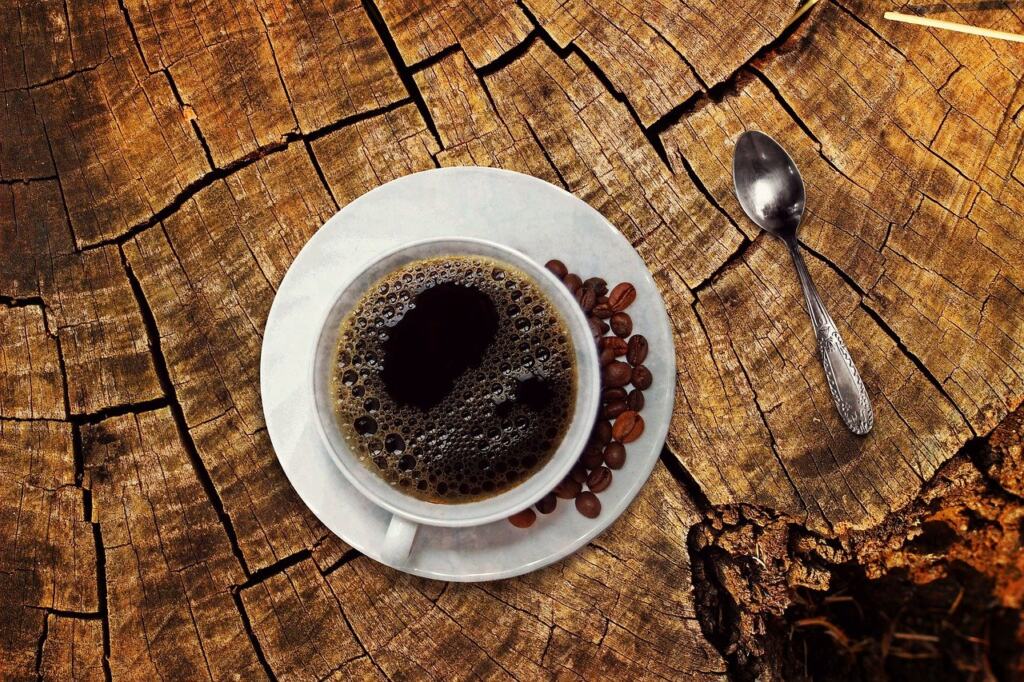
Finish with a cup of coffee and let the table linger. Readers comparing other regional traditions can continue with moroccan cuisine or peruvian cuisine.
Troubleshooting a first Ethiopian meal
- The meal is too hot. Berbere-based dishes carry the heat. Choose the turmeric version of a kulet, add vegetable sides, and use plenty of injera between bites.
- Every dish tastes the same. That usually means all the stews share one base. Mix berbere dishes with a turmeric-seasoned stew and a vegetable side such as gomen or tikil gomen.
- Gluten matters to you. Teff is gluten-free, but confirm that the injera itself is made only from teff.
- Cooking the stew takes too long. A berbere kulet needs a longer simmer than a turmeric one, so budget the time or switch base.
- Raw meat concerns you. Skip kitfo and order a cooked wat.
Frequently asked questions
What is mitmita?
Mitmita is an even hotter red pepper powder than berbere, so use it more cautiously.
What is firfir?
Firfir is a dish that uses injera soaked in spices. It is far more common in Ethiopia than in many restaurants abroad.
Is doro wat a curry?
Not exactly. In Ethiopia the sauce is richer and more subtle, closer to a Mexican mole than to a plain curry.
Can I replace niter kibbeh with something else?
Ghee is the usual stand-in for niter kibbeh, though you lose the spicing of the clarified Ethiopian butter.