Cooking a French dinner and unsure where to begin? French cuisine rewards starting with its five mother sauces and a few core techniques, because classical method ties together dishes from Normandy to Provence.
This list is built around that system: sauces first, then technique vocabulary, then the regions and pantry staples where the method shows up. For wider context, browse popular dishes from around the world and see how French cooking sits among other traditions.
The foundations of French cuisine
French cuisine is, in CookUnity’s definition, a refined culinary tradition built on precise technique, high-quality ingredients and deep regional diversity. That combination explains why a French recipe often assumes you know a method rather than spelling out every step.
Culinary-school writing describes the traditional principles as formal techniques, fresh ingredients, simple flavors and pride in presentation. Treat those four ideas as a filter. A dish that looks complicated usually comes down to a few well-executed methods applied to good ingredients.
Auguste Escoffier is the name to know. He helped codify the techniques still taught in culinary schools, and in the 19th century he systematized French cooking methods and introduced the brigade system, a kitchen structure that professional kitchens still use today. His influence is the reason this guide organizes French cooking by method rather than by a long run of unrelated recipes.
The five mother sauces
Many cooks consider the French mother sauces the basic building blocks of most dishes. Each one is defined by its base, and once you know the base you can predict how it behaves in the pan.
| Sauce | Base | Planning use |
|---|---|---|
| Béchamel | Roux (flour and fat cooked together) plus any dairy product | The natural first sauce if you want to learn roux work with a dairy liquid. |
| Velouté | White roux mixed with white stock made from fish, chicken or veal | Choose it when the stock should match the protein you are serving. |
| Espagnole | Brown beef or veal stock, tomato puree and browned mirepoix, thickened with dark brown roux | A longer, richer project suited to beef and veal dishes. |
| Tomato | Classic French version flavored with pork and aromatic vegetables; traditionally may start with a roux | Pick it for a savory tomato base built on meat and vegetables. |
| Hollandaise | Emulsion of melted butter and lemon juice bound with egg yolk; no roux | Reserve it for a moment when you can give the pan your full attention. |
The bases above come from this guide to the five French mother sauces.
Béchamel and velouté: the white roux pair
Béchamel and velouté share a white roux and differ only in the liquid. Béchamel takes a dairy product, while velouté takes white stock made from fish, chicken or veal. If you can make one, you can make the other, so the decision is simply whether the dish wants a creamy or a stock-driven finish.
Espagnole and tomato: the savory pair
Espagnole is the darker, more demanding sauce. It is usually a brown sauce of brown beef or veal stock, tomato puree and browned mirepoix, thickened with a dark brown roux. The classic French tomato sauce takes a different route, with pork and aromatic vegetables for flavor. Cooks who want depth and are happy to simmer will prefer espagnole, while the tomato sauce suits anyone building a meaty tomato base.
Hollandaise: the butter emulsion
Hollandaise is the odd one out because it has no roux. Butter and lemon juice are forced together by a binding agent such as egg yolk. The same source warns that it takes patience, since the emulsion can easily break if you are not careful. Make it last, just before serving, rather than trying to hold it while other dishes finish.
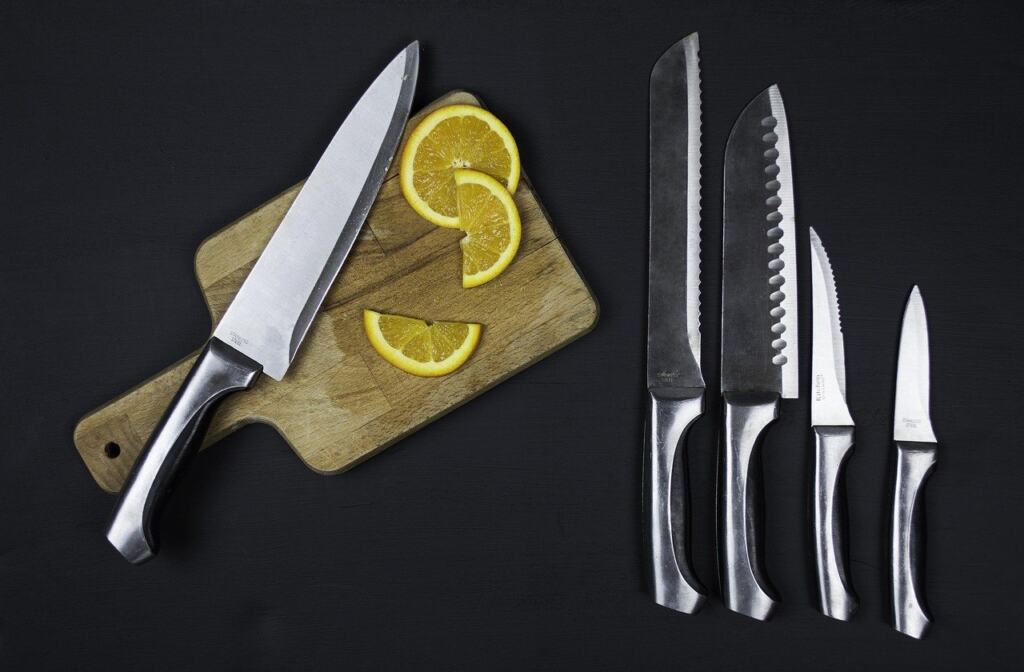
Core French cooking techniques
French cooking puts mastery of methods like braising, sautéing and flambéing ahead of following step-by-step recipes, according to CookUnity. Learning a method once lets you cook many dishes that look unrelated on a menu.
Braising and browning
Braising is slow cooking in liquid, and the French pattern pairs it with browning. For boeuf bourguignon the method is described as browning to develop flavor, then slow braising to tenderize tougher cuts. Coq au vin applies the same logic to poultry: chicken slowly braised in wine until meltingly tender.
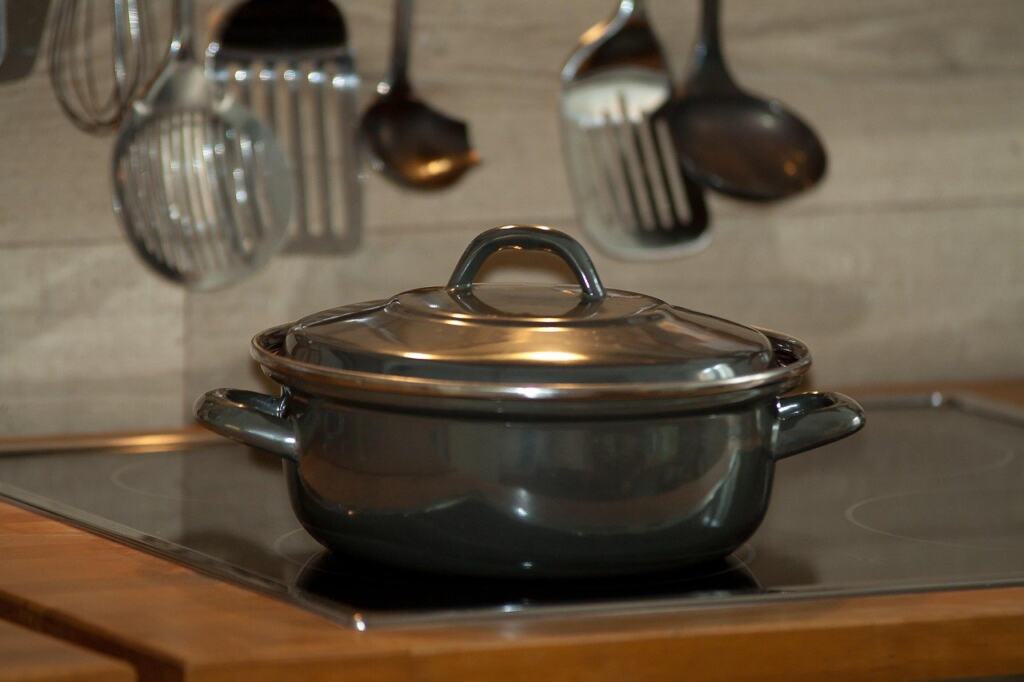
Braising suits cooks with time rather than skill to spare. The work is mostly waiting, and the tougher the cut, the more the method pays off.
Confit
Confit comes from Gascony in southwest France. The classic version involves salt-curing duck legs, then slowly cooking them in their own fat until meltingly tender. It is a technique to choose when you want a specific regional dish rather than a weeknight meal.
Sautéing and flambéing
Sautéing and flambéing are the other two methods the tradition names alongside braising. Unlike the slow methods above, they reward attention at the stove, so learn them with a single ingredient before building them into a full menu.
Regional French cuisine
French cooking varies sharply by place, from the butter-rich dishes of Normandy to the olive oil-forward flavors of Provence. A French Library article on heritage and culture adds that the use of certain ingredients was influenced by exploration, climate or religion, which is a useful reminder that regional dishes reflect where and how people lived.
- Normandy: choose this style when you want butter-rich cooking.
- Provence: ratatouille celebrates the sun-ripened vegetables of Provence in southern France, slowly simmered with olive oil, garlic and herbes de Provence.
- Gascony: the home of duck confit, and the clearest example of a regional dish defined by one technique.
- Lorraine: quiche Lorraine comes from this eastern region.
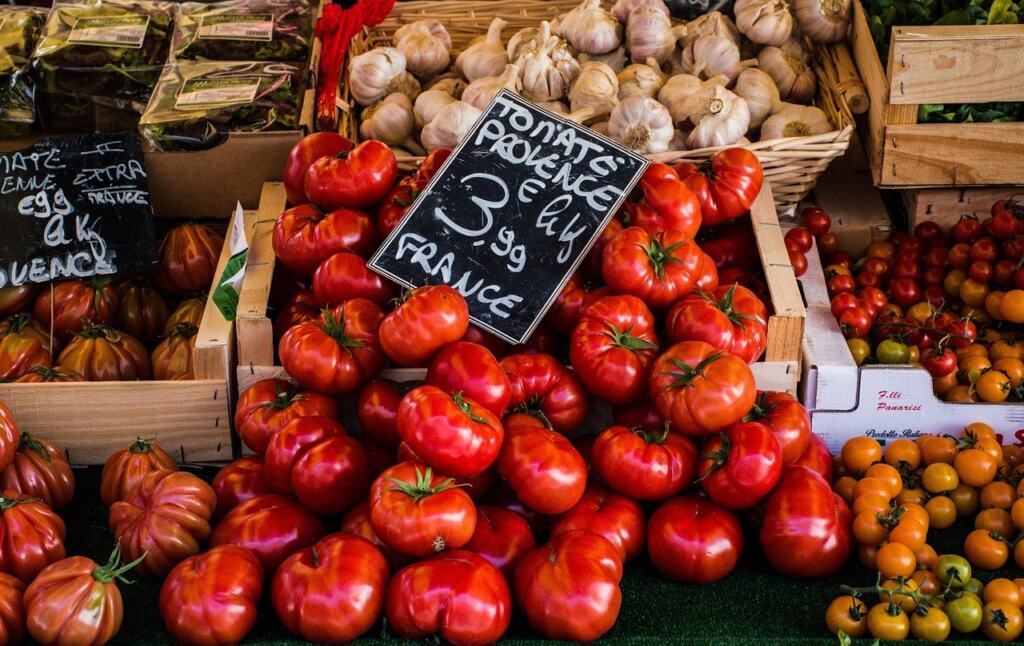
The connection to the earlier sections is practical. Normandy and Provence use different fats, but the underlying method is the same careful, classical approach. Pick the region first, then match the technique: braise for wine-based stews, confit for Gascony, and a simple simmer for Provençal vegetables.
Building a French pantry
A French pantry is less about exotic items and more about a short list of dependable ingredients that the sauces and regional dishes keep asking for.
- Butter: central to Normandy cooking and to hollandaise, where it is melted and emulsified with lemon juice.
- Olive oil and garlic: the base of Provençal cooking, as in ratatouille.
- Herbes de Provence: the herb blend used to simmer ratatouille.
- Wine: the braising liquid in coq au vin.
- Flour and a dairy product: the starting point for roux and béchamel.
- Stock and eggs: white stock for velouté, brown beef or veal stock for espagnole, and egg yolk to bind hollandaise.
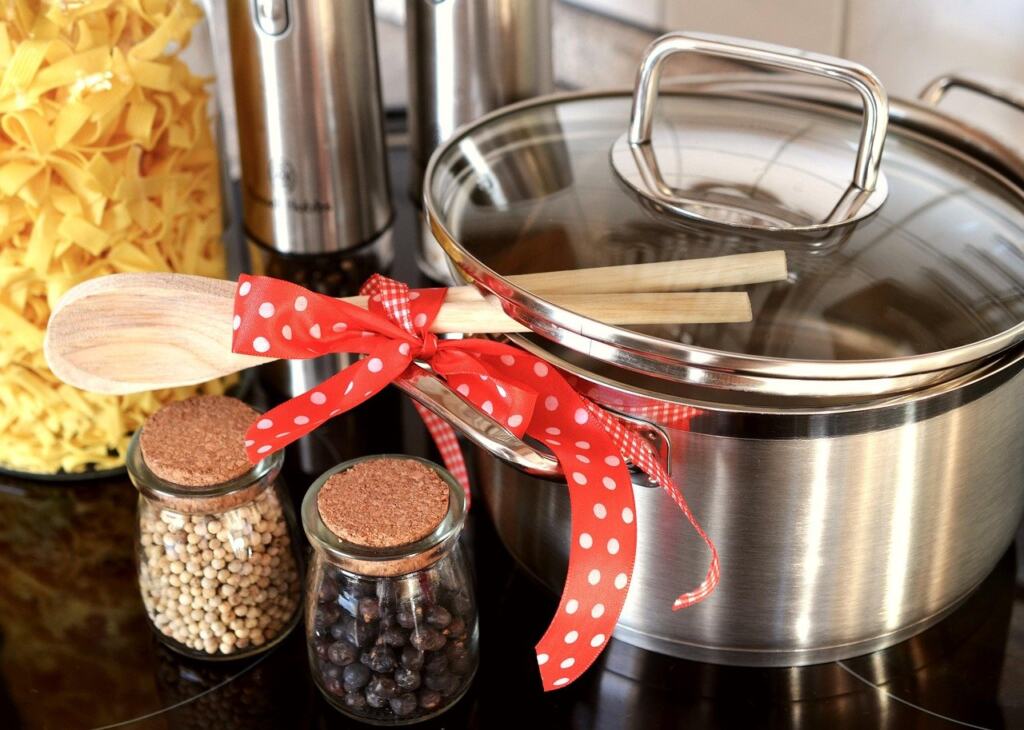
Buy fresh items such as stock and eggs as needed, and keep the shelf-stable staples on hand so a sauce or braise is always within reach.
Where to start
Use this order if you are new to French cooking and want each step to build on the last.
- Match the sauce to the liquid you have. Dairy points to béchamel, white stock to velouté and brown stock to espagnole.
- Hold hollandaise until you are comfortable. It has no roux to protect it, so it is the sauce most likely to need a second attempt.
- Learn braising through coq au vin. One pot teaches browning, slow cooking and using wine as a liquid.
- Add confit when you want a Gascony dish. It is a distinct technique, so treat it as a project.
- Stock the pantry as you go. Butter, olive oil, garlic and herbes de Provence cover most of what the regional dishes use.
If you enjoy comparing traditions, the guides to italian cuisine and chinese cuisine offer a different starting point for each.
Frequently asked questions
When was the first French cookbook published?
François Pierre La Varenne published the first French cookbook, Le Cuisinier Francois, in 1651, according to a culinary school history of French cooking.
What does a traditional French meal look like?
A French meal is structured, moving from an appetizer to a cheese course and then dessert, as CookUnity describes it.
Why is wine so important in French cooking?
Wine developed from Celtic fermentation skills and became one of the most essential French ingredients.
Which ingredients did the Romans add to French cooking?
During 600 years of Roman rule, olive oil and garlic became integrated into local customs, according to the same culinary school history.