Quick answer: Mediterranean cuisine is a shared pantry of olives, wheat and grapes rather than one national cooking style, and it is not the same thing as the Mediterranean diet. Pick a sub-region to see what unites and what differs.
If you want the wider picture of how this region sits beside other food traditions, start with these popular dishes from around the world, then return here for the detail on the basin.
Cuisine or diet: decide which one you mean
Mediterranean cuisine describes how people cook and eat around the sea. The Mediterranean diet is a modern dietary model. One travel guide stresses that the two should not be confused, and notes that the term “Mediterranean cuisine” is first recorded in 1950.
The distinction changes what you do next:
- Cooking for flavour and tradition: follow the cuisine. Choose a country or sub-region, then cook its dishes with its own ingredients.
- Eating for health reasons: follow the diet. Its foods are covered in a later section, and they are habits and food groups rather than a set of recipes.
- Just exploring: treat the cuisine as a family of related traditions. Some experts question whether it is truly unified, because the differences between countries are so large.
That last point is the practical reason to read by sub-region. A dish that defines one coast can be almost absent on another.
Countries with Mediterranean cuisine
The label most readily evokes southern Europe: Italy, Greece and Spain, according to the same travel guide. That is the easy answer, but it leaves out the eastern and southern shores.
Greek cooking shows why. It shares traits with the traditional food of Italy, the Balkans, Turkey and the Levant, including ingredients and nutritional character, as a Greek food producer’s overview puts it. In North Africa, the Maghreb and Mashreq regions are often placed under the broader umbrella of Arab cuisine rather than described as Mediterranean. So the countries you include depend on whether you define the cuisine by geography or by food culture.
For a reader planning a menu, a sensible rule is to treat Italy, Greece and Spain as the core, and the Levant and North Africa as neighbouring traditions that overlap with it.
Ingredients that define Mediterranean cooking
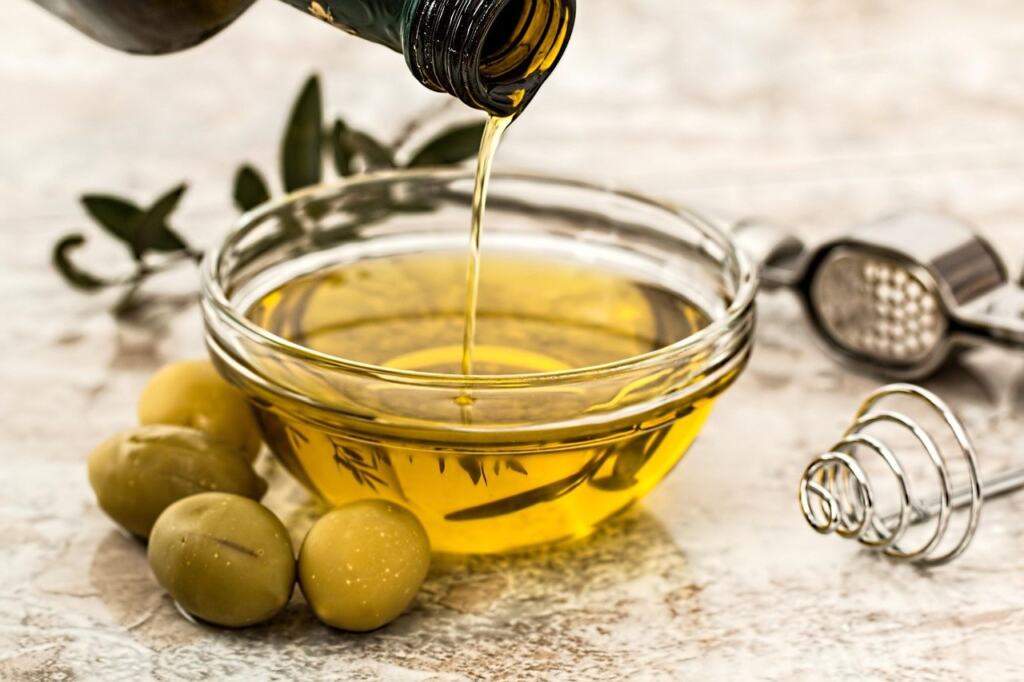
The common basis is three crops: olives, wheat and grapes. Olive oil comes from olives, bread and pasta from wheat, and wine from grapes, as the travel guide explains. If a dish has no link to any of these, it is probably outside the shared core.
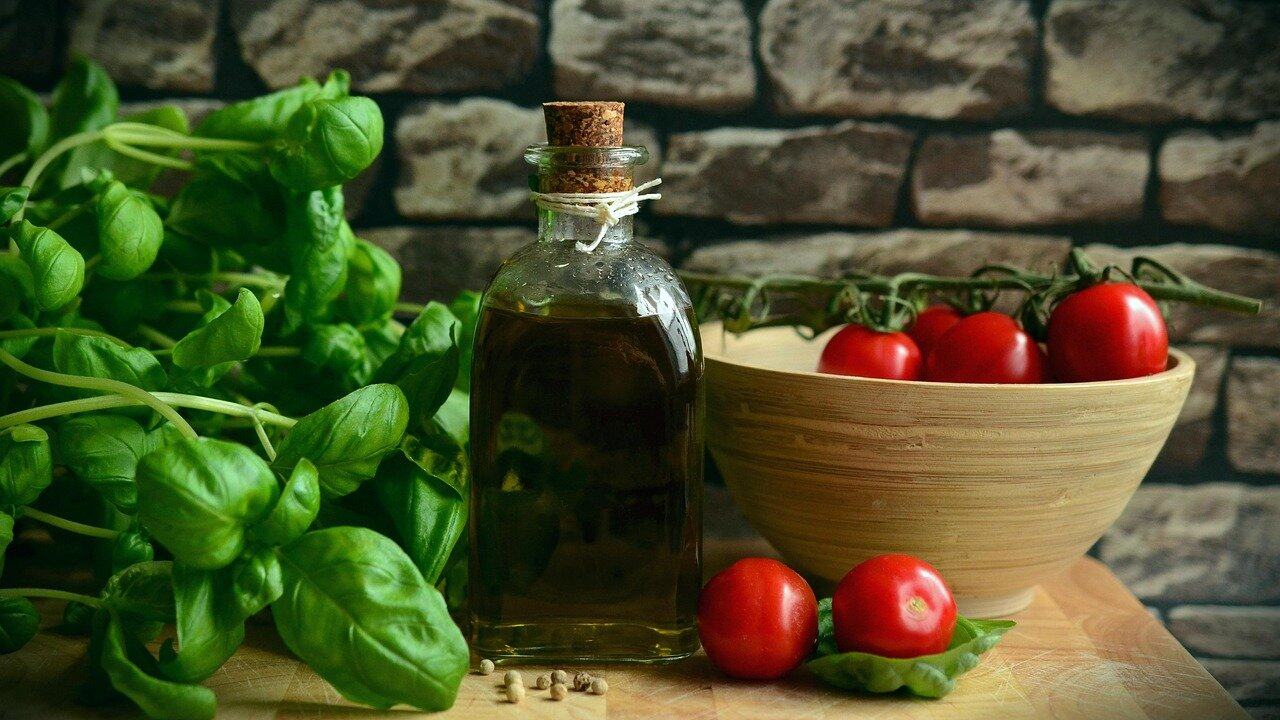
Olive oil is the clearest unifier. Greek producers describe it as the basis of Greek cuisine, and the diet’s healthy reputation rests on a generous use of it. A Miami restaurant write-up shows the same instinct in a single dish, octopus braised and served with olive oil, red onions, fried capers and parsley.
Comparing the sub-regions
The table sets the main sub-regions side by side so you can choose where to begin.
| Sub-region | Defining signals | What sets it apart | Planning use |
|---|---|---|---|
| Greece | Fresh local vegetables, olive oil, Greek yogurt, honey, feta | Shared starters called mezedes; Turkish influence in tzatziki, imam baildi, moussaka and baklava | Best for salads and sharing-style tables |
| Italy | Wheat-based bread and pasta, olive oil | Sicily blends Arab, Spanish and Greek influences | Best for pasta-led cooking and regional comparison |
| Spain | Olive oil as a frying medium | Andalusian dogfish fried in olive oil, popular in Cádiz and Málaga | Best for seafood and fried fish |
| North Africa and the Levant | Often grouped under Arab cuisine | Much of North Africa is predominantly Islamic, so alcohol is religiously prohibited | Plan drinks around that when hosting or travelling |
The comparisons draw on a travel guide to the cuisine and a Greek food overview.
Greek cooking
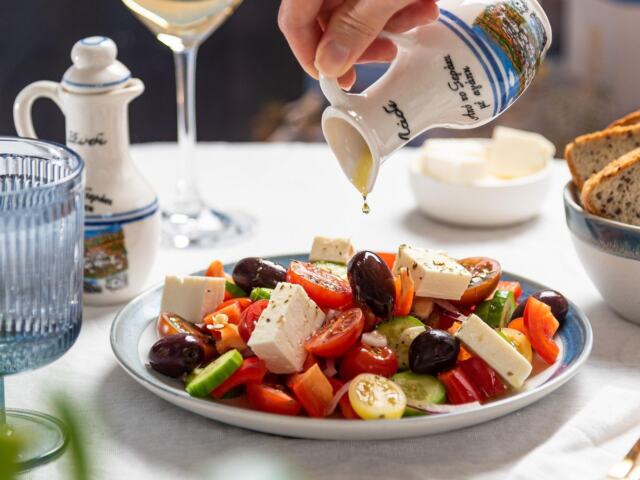
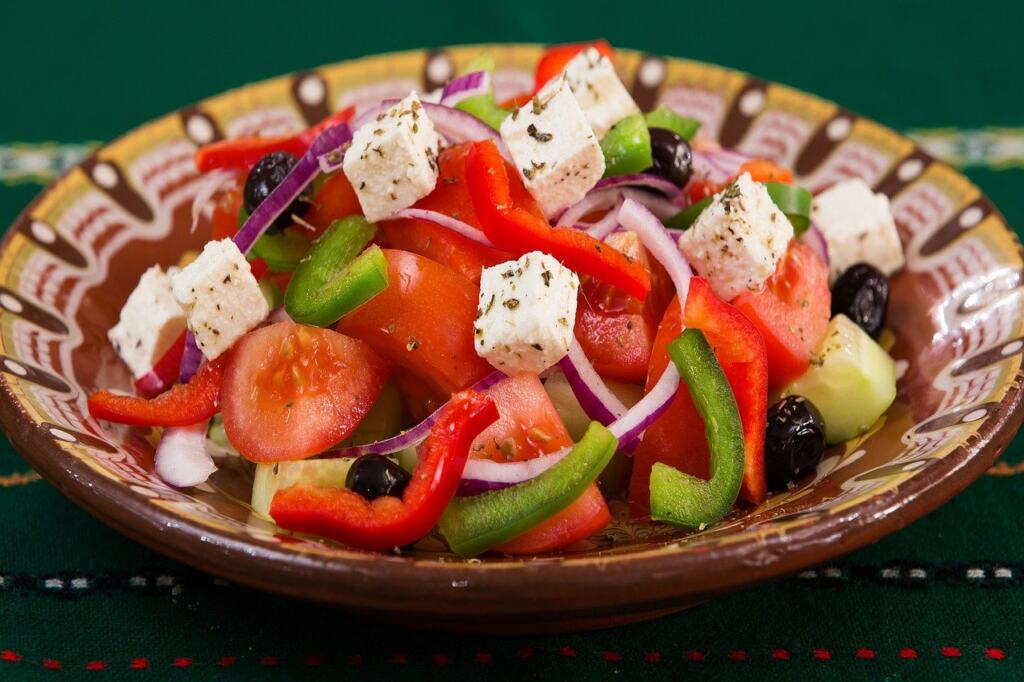
Greek cuisine mainly uses fresh local ingredients such as Mediterranean vegetables, olive oil, Greek yogurt, honey and feta. Its best-known salad, horiatiki, combines cucumbers, tomatoes, onions, feta, olives and oregano. It is the easiest entry point if you want something that needs no cooking skill.
Mezedes are another defining feature: shared appetizers served with wine, ouzo or tsipouro. They suit hosts who would rather put many small dishes on the table than plate a single course. Versions vary. A restaurant write-up describes a Greek village salad that adds green pepper, capers and parsley to tomato, cucumber, red onion, feta and olives.
Italian cooking
Italy’s link to the shared crops is wheat: bread and pasta sit beside olive oil at the core of the pantry. Sicily shows how porous the sub-regions are, with Arab, Spanish and Greek influences blended into its food. For a fuller treatment of the country’s regional dishes, see our guide to italian cuisine.
Spanish cooking
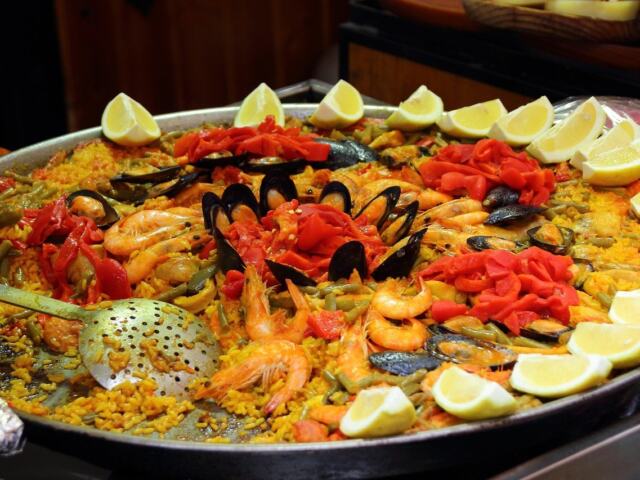
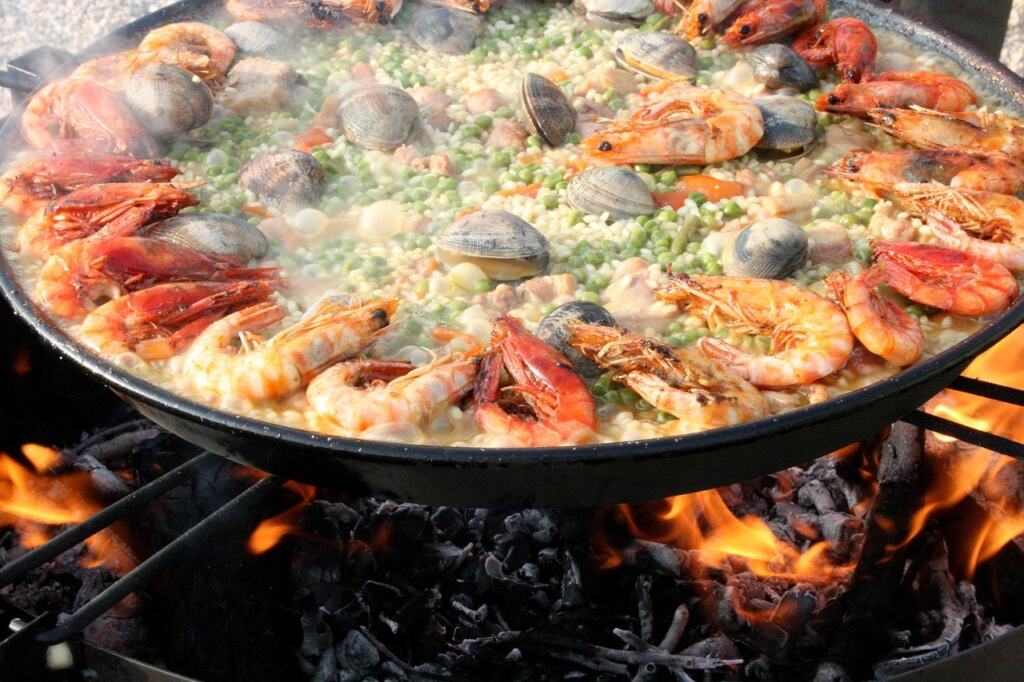
Spain’s western Mediterranean cooking leans on olive oil as a frying medium. The Andalusian example is dogfish fried in olive oil, particularly popular in Cádiz and Málaga. Seafood in a wide pan is the other image most people associate with Spain, and it contrasts with the cold, salad-led tables of the east.
North Africa and the Levant
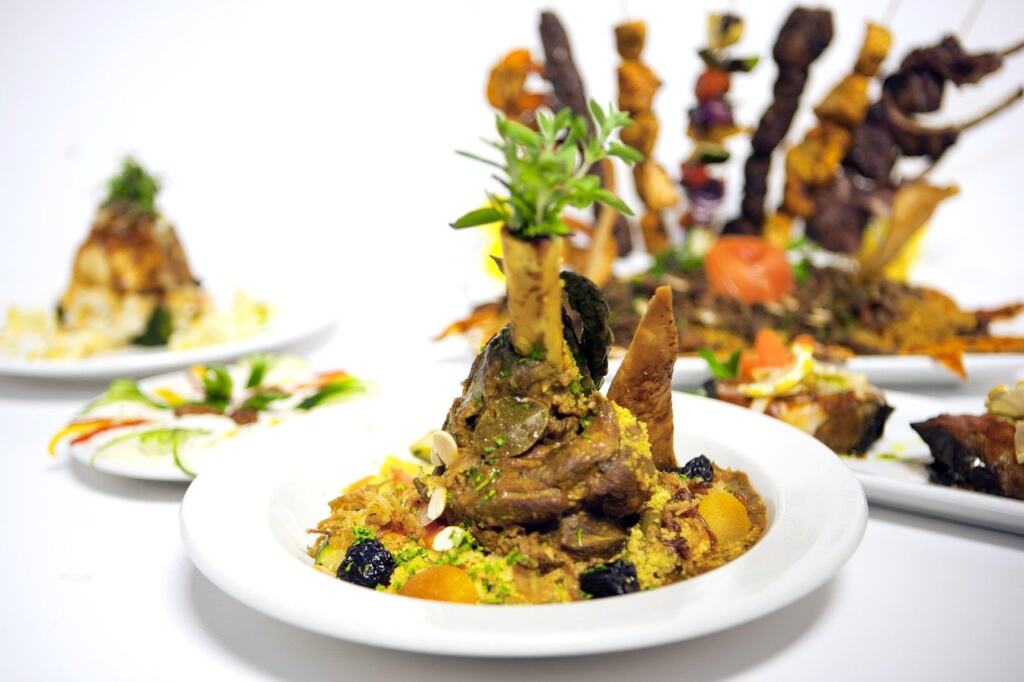
Here the labels shift. The Maghreb and Mashreq are often grouped under Arab cuisine, and Greek food itself shares ingredients with the Levant, so the boundary is porous. Hosts should also remember that much of North Africa is predominantly Islamic, where alcohol is religiously prohibited. A wine-led menu is a poor fit for this part of the basin.
Hummus is a natural choice for a shared table across this region. One restaurant write-up praises a version as smooth, creamy and full of flavor, which is a fair benchmark for judging any homemade or bought batch.
Mediterranean diet foods
The diet’s reputation rests on three enduring habits: a generous use of olive oil, an abundance of fresh fruit and vegetables, and a steady intake of fish, according to the travel guide. In practice, that means building meals around produce and oil, with fish as a regular protein.
Health bodies have taken an interest in the pattern. A Spanish food-industry write-up reports that the World Health Organization and the FAO have acknowledged the characteristics of the region’s products as a quality, healthy and sustainable food model. It also records that the candidacy for the Mediterranean diet to become UNESCO intangible cultural heritage was presented on 9 April 2008 in Bari, Italy.
Treat the diet as a way of choosing foods, not a licence to call any Mediterranean dish healthy. Fried dishes such as Andalusian dogfish belong to the cuisine without being typical diet fare.
Common mix-ups and how to avoid them
- Treating the region as one cuisine: look for the sub-region first. Experts’ doubts about a unified cuisine come from the differences between countries.
- Assuming every dish follows the diet: check the ingredients. The diet is about olive oil, produce and fish, not about geography alone.
- Planning wine for every table: adjust for North Africa, where alcohol is religiously prohibited in much of the predominantly Islamic population.
- Ignoring crossover: Greek tzatziki, moussaka and baklava show Turkish influence, so a dish’s origin may be wider than its menu label suggests.
Frequently asked questions
Is Mediterranean cuisine the same as the Mediterranean diet?
No. Cuisine describes cooking traditions around the sea, while the diet is a modern dietary model built on olive oil, fresh fruit and vegetables, and fish.
Which countries have Mediterranean cuisine?
Italy, Greece and Spain are most readily associated with it. Greek food also shares traits with the Balkans, Turkey and the Levant, and North African regions are often grouped under Arab cuisine.
What ingredients define Mediterranean cooking?
Olives, wheat and grapes underpin it, giving olive oil, bread, pasta and wine. Greek cooking adds yogurt, honey and feta.
Does Mediterranean food always include wine?
No. Wine comes from grapes and is part of the shared basis, but much of North Africa is predominantly Islamic and alcohol is religiously prohibited there.