

A restaurant review helps most when it tells you how faithfully and how well a kitchen cooks its cuisine, so decide first whether you are choosing a table to book or judging a meal you have eaten.
This guide works as a decision tree. Pick the path that matches your situation below, then follow the linked guide when you want the full method.
Choose your starting point
Your starting point depends on what you need from the review, and each path leads to a different part of this guide.
- You are choosing where to eat. Read for named dishes, a stated price and a clear verdict on the cooking rather than a bare score. The method is laid out in how to read restaurant reviews.
- You doubt a place is the real thing. Skip to the authenticity section below, then use how to tell if a restaurant is authentic for the longer test.
- You want a quick screen before booking. A restaurant review checklist turns the criteria in this guide into questions you can answer in minutes.
- You are about to write one. Keep notes on dishes, room and price as you eat, then follow how to write a restaurant review.
- Something feels wrong. Check restaurant red flags before you sit down, and read the kitchen and cleanliness section below.
- You are weighing a guide’s rating. The guides section explains how to treat stars, and what do michelin stars mean goes deeper on that one system.
What a good restaurant review does
A good restaurant review conveys what the food was like on the plate. Karen Woodward’s guide to writing a restaurant review puts the reviewer’s job as accurately conveying the taste, texture, smell and presentation of a restaurant’s food. That is a useful standard for any review you read, because a verdict such as “great” or “overpriced” cannot tell you whether the food suits you.
Taste, texture and the senses
Specific sensory detail is the clearest sign that a reviewer actually paid attention. The same guide notes that there are, generally speaking, five tastes: sweetness, sourness, saltiness, bitterness and umami. It also advises engaging all the senses: sight, smell, hearing, taste and touch, which includes mouthfeel. A line that places a dish among those tastes and describes how it feels in the mouth tells you far more than “delicious”.
Texture deserves particular attention. In its Atlanta Magazine review of Mirae in Brookhaven, the critic found the tofu steak adequately flavored with a spicy dark sauce but lacking texture and visual interest. A dish can pass on flavor and still fail, and a reviewer who says so is giving you a decision you can use. If you dislike a particular texture, look for reviews that name it.

How many dishes to describe
The most useful reviews are selective. The writing guide advises describing only three to five dishes. The reason is practical: a review that walks through the whole menu buries the dishes that matter, while a short, well-chosen set lets you see what the kitchen does best and where it slips. When you read, prefer a review that commits to a few dishes and explains them over one that lists many with a single adjective each.
The opening sentence matters too. The same guide says a review should hook the reader with its first sentence. For you as a reader, that means a strong opening is a good sign of care, but it never replaces dish-level detail.
Balance, room and price
Trustworthy reviews are balanced. The Atlanta Magazine critic’s summary of Mirae, that a few dishes need refinement but the aspirations are clear, shows how praise and criticism can sit in the same verdict. A review with no criticism at all, or no praise, gives you less to work with.
Beyond the plate, look for a memorable detail of the ambiance, good or bad. The writing guide suggests choosing something non-obvious rather than defaulting to “cozy” or “loud”. It also lists practical questions a review should answer: the price of the average meal and whether one should make a reservation. A review that leaves both out makes you do the research yourself.
Judging the cooking: faithfulness and execution
Every dish can be judged on two separate questions: is it faithful to its cuisine, and is it well made? Keeping them apart stops you from rewarding a competent but diluted plate, or excusing a clumsy one because it feels traditional.
Faithfulness
Faithfulness asks whether the dish keeps its identity. The Atlanta Magazine critic framed Mirae’s case this way: Korean cuisine can anchor an upscale dining experience without being softened, simplified or stripped of its identity. The test of softening is the most transferable idea here. If a menu appears to sand off the cuisine’s defining flavors to avoid challenging anyone, the restaurant is serving a version of the cuisine rather than the cuisine itself. Look for reviewers who tell you which dishes held their character and which did not.
Execution
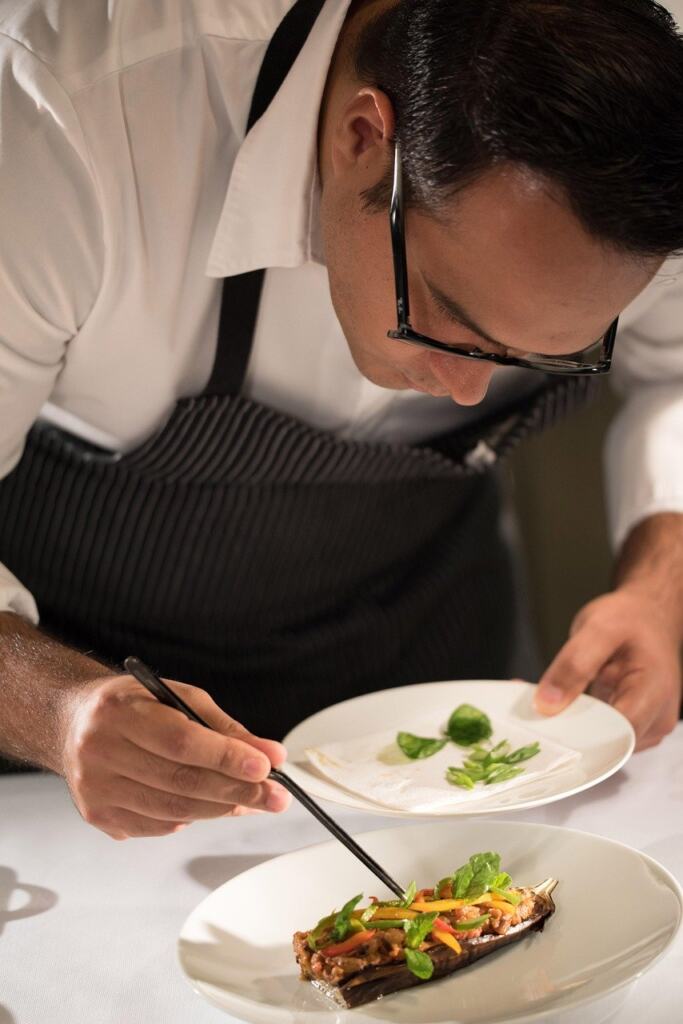
Execution asks whether the dish is cooked and put together well, whatever its origin. This covers seasoning, texture, temperature and presentation. The writing guide suggests describing how the food was presented and whether that presentation fits the restaurant’s style. A plate that looks right for a fine dining room may feel out of place in a casual one, and a reviewer should say which applies.
Service belongs in the same verdict. Mirae’s servers, according to the review, offer guidance without being intrusive. That detail matters most in an unfamiliar cuisine, where a server who can explain dishes without hovering makes the meal easier to enjoy. Elsewhere in the same publication, a Buckhead review of Luella concludes that, unlike other Buckhead restaurants, it delivers substance with the show. Spectacle is not a flaw, but a review should say whether the cooking holds up underneath it.
Kitchen, cleanliness and red flags
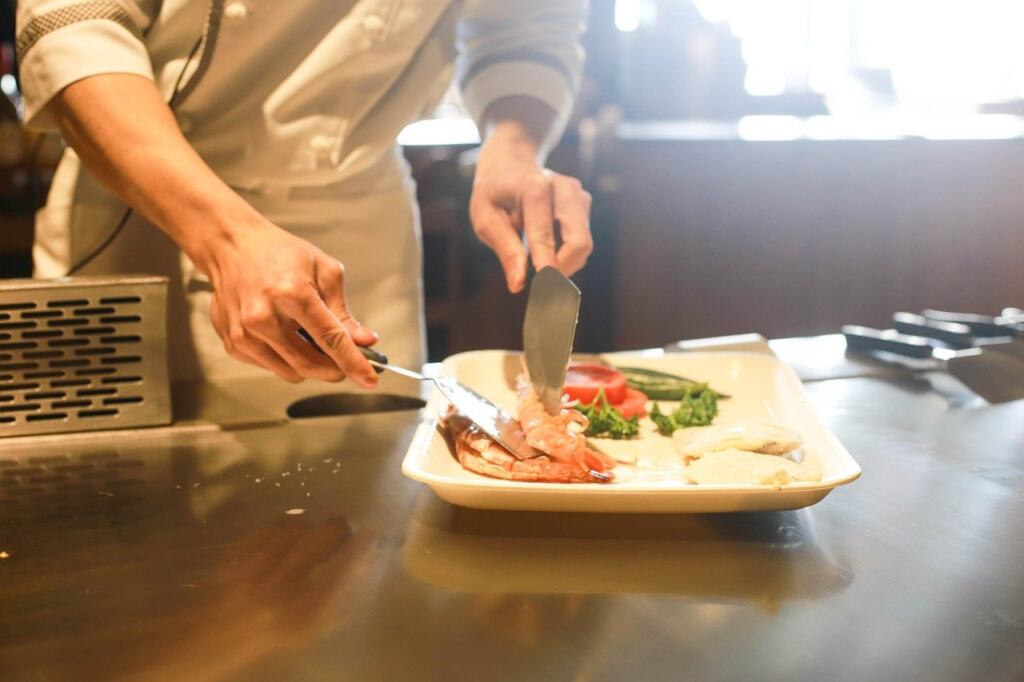
Kitchen and cleanliness signals can change your decision before a dish arrives. Where the kitchen is visible, watch how plates are finished and whether the work looks deliberate or hurried. That is the same presentation test a reviewer applies, taken one step earlier.
Cleanliness needs more than a first impression. How to tell if a restaurant is clean covers what to check on arrival, and your local health department’s inspection records are the right place to confirm a concern. A review rarely addresses either, so treat a silent review as incomplete rather than reassuring. When several small problems appear together, whether in the room, the service or the menu, compare them against the list in restaurant red flags before you commit to a meal.
Judging an ethnic restaurant for authenticity
An ethnic restaurant is best judged by how faithfully and how well it serves its cuisine, not by how traditional the room looks or how humble the storefront is. Authenticity is a question about the food, and the evidence for it sits on the menu and the plate.
Test for softening
Start with the Mirae standard: is the cuisine softened, simplified or stripped of its identity? You can often tell from the menu before you order. A menu made up only of the most familiar dishes, with no regional or less common items, suggests a kitchen playing it safe. A reviewer who has eaten there should say whether the flavors were pushed or muted, and which dishes showed the cuisine at its best. The full method is in how to tell if a restaurant is authentic, which this guide complements rather than repeats.
Look for the signature dish
The writing guide advises that if a restaurant has a specialty or signature dish, you should order it. Authenticity checks work the same way. A kitchen that is proud of its cuisine usually has a dish it is known for, and how that dish is cooked tells you more than the rest of the menu combined. If reviewers disagree about what the signature is, that is a reason to ask your server.
Do not judge by the storefront
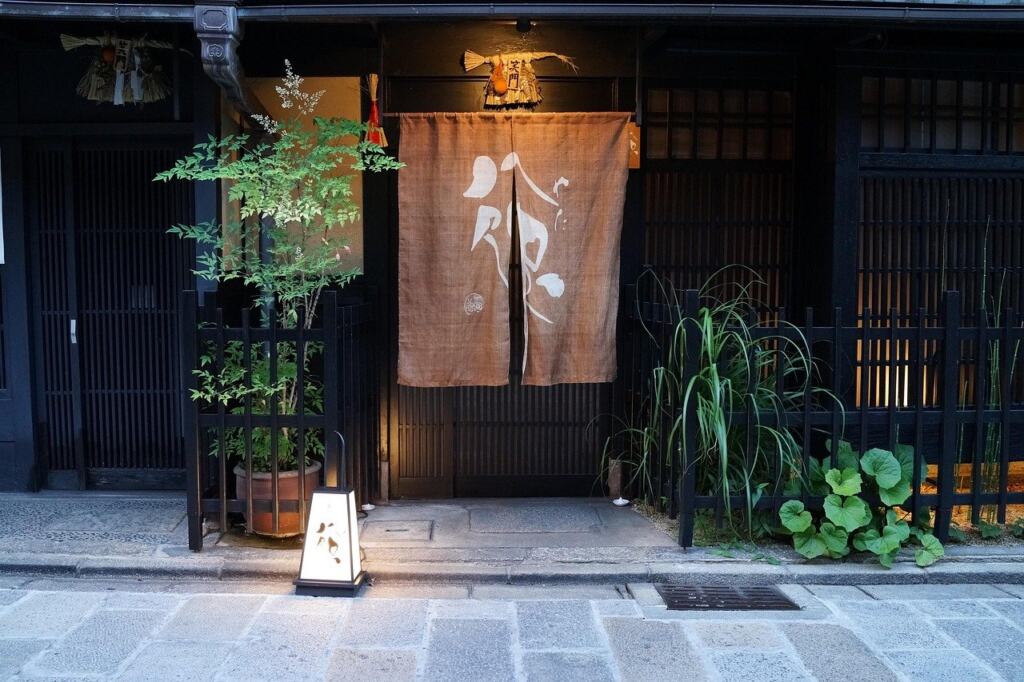
A modest entrance neither confirms nor disproves quality. The Mirae review is the reminder: an upscale room can serve its cuisine without compromise, so polish and fidelity are separate questions. In the other direction, a plain dining room can serve excellent cooking, and a beautiful one can serve a diluted version. Let the dishes decide, and use the room to judge comfort rather than authenticity.
Ordering on a first visit to a new cuisine
On a first visit to a new cuisine, order a drink, an appetizer, a main course and a dessert, plus the signature dish if there is one. That is the simple structure from the writing guide, and it works for diners as well as reviewers because it samples the whole meal rather than one corner of the menu.
Build a balanced order
The four courses show different skills. An appetizer reveals seasoning and technique at small scale, a main course tests the kitchen’s core strength, and dessert shows whether the finish is considered or an afterthought. The signature dish, if the restaurant has one, is the most informative single plate, so order it even if it is not the item you would normally pick. If you are unsure what the signature is, ask your server which dish the kitchen is proudest of.
Read the menu before you commit
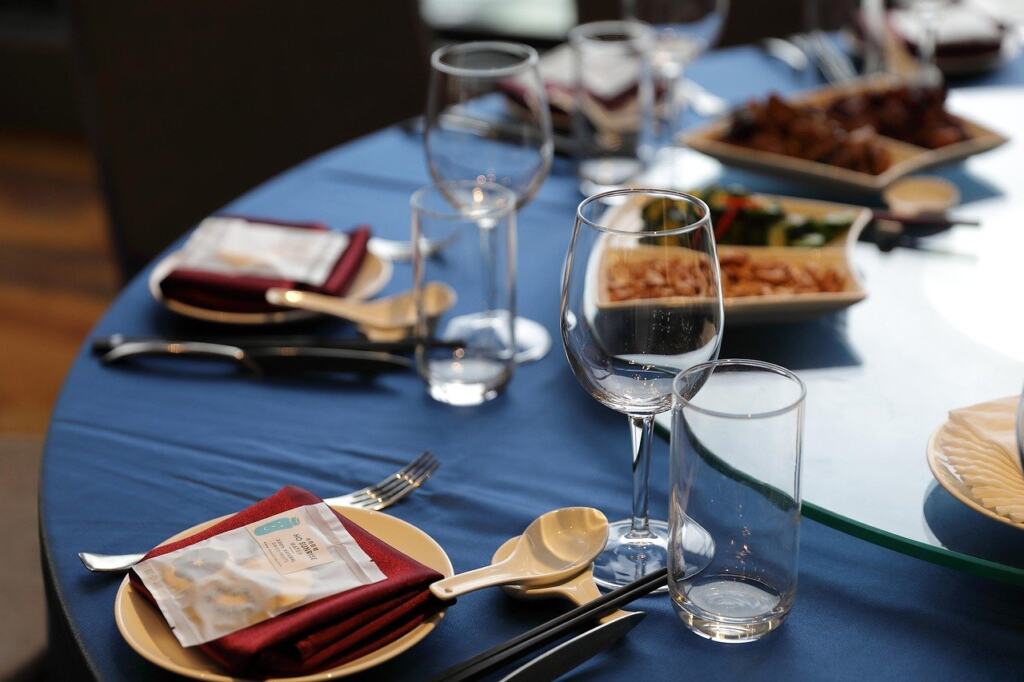
An unfamiliar menu is easier once you know what to look for: dishes with a short description, anything marked as a specialty, and items that appear in several reviews. If the menu is in another language or uses unfamiliar terms, how to read a foreign menu explains how to decode it, and a server’s guidance is part of the service you should expect. Prefer a recommended dish over the most familiar one. Ordering only the safest option tells you little about the kitchen.
Ordering for a group
A group gives you the best chance to taste widely, because shared plates let each person try more than a single entree allows. Aim to cover different types of dishes rather than ordering similar items twice, and include the signature dish and at least one plate you would not usually choose. Agree beforehand who is happy to try something unfamiliar. Groups that order one dish per person end up reviewing a handful of mains instead of the restaurant.

Menu prices in a worked example
A menu is more than a list of dishes: it gives you the price of each choice and the shape of the meal. The Atlanta Magazine review of Mirae names several dishes with prices, which makes a handy example of what a useful review reports.
| Dish or measure | Price in the review | Planning use |
|---|---|---|
| Shrimp toast appetizer | $18 | Shows the cost of a starter at a restaurant of this style. |
| Mirae confit cabbage salad | $12 | A lower-cost way to start if you plan to spend more on the main. |
| Braised short ribs | $38, slow-cooked for six hours | The review gives the cook time as context for the main-course price. |
| Black-sesame crème brûlée | $14 | Helps you decide whether to add dessert to the budget. |
| Typical spend | About $75 per person with drinks | A budget guide for the whole meal rather than a single dish. |
These figures come from Atlanta Magazine’s restaurant reviews, which describe Mirae in Brookhaven.
Treat figures like these as a snapshot, not a fixed quote. Menus change, so confirm current prices on the restaurant’s own website before you book. What the example shows is the kind of information that makes a review practical: individual dish prices, a sense of why a dish costs what it does, and an all-in cost per person. A review that gives you only a dollar-sign symbol leaves you guessing.
Stars, guides and ratings
A rating tells you where a publication places a restaurant, not whether that place suits you. Boston Magazine, for example, states that it uses stars in its restaurant reviews, and other outlets may use different scales or none. Read the text beneath the rating to learn what it measures, and compare outlets only when you know their scales.
Guides work the same way. Boca Magazine’s restaurant coverage calls the Michelin Guide prestigious and marks its arrival in Florida in 2022 as a notable moment for the local scene. That shows how a guide can reshape attention on a region’s dining, but recognition from any guide is one input among several. For the Michelin Guide specifically, rely on the guide’s own published criteria and on what do michelin stars mean, then check dish-level detail in a review before booking.
Finding good restaurants in a new city
The most reliable way to find good restaurants in a new city is to find the local outlet that reviews them. City and regional publications publish reviews written by people who cover the area, and many keep archives you can browse. Mid Michigan Dining, for instance, covers restaurant and food news and reviews for Lansing, East Lansing, Okemos, Holt and nearby cities, so its archive is organized around a place rather than a single restaurant.
Once you have found a local outlet, read several reviews rather than one, and look for dishes that more than one writer praises. Then narrow by cuisine and confirm details on the restaurant’s own site. If the city is new to you and the cuisine is one you want to explore, how to find good ethnic restaurants in a new city turns this into a step-by-step search.
Choosing by type of place and cuisine
Different kinds of restaurant call for different expectations, so match the guide to the place you are considering.
- Fine dining. Choose this path when the meal is a planned occasion and you want to weigh presentation, service and price together. How to review a fine dining restaurant explains how the standard shifts from casual rooms.
- Food trucks. A truck suits a quick, informal meal where the kitchen is the whole story. How to choose a good food truck covers what to look for at the curb.
- Japanese. Pick this guide when your shortlist includes Japanese rooms and you want to know what separates a careful kitchen from a generic one: how to choose a good japanese restaurant.
- Indian. Use this when the menu is long and the dishes are unfamiliar: how to choose a good indian restaurant.
- Italian. Useful when many nearby restaurants look alike and you need a way to tell them apart: how to choose a good italian restaurant.
- Mexican. A sensible next step when you want to check that a menu keeps the cuisine’s identity: how to choose a good mexican restaurant.
Across all of these, the questions stay the same: is the cuisine kept intact, are the dishes well made, and does the review tell you enough to decide?
Frequently asked questions
What background should I check before judging a restaurant?
The writing guide’s research list covers the owner, the head chef and the restaurant’s history. Knowing who is cooking and how long the place has operated gives context for a dish that seems unusual or a menu that has shifted over time.
Do I need to make a reservation?
A good review should say whether to book, since the writing guide lists it among the practical questions a review answers. When it is missing, check the restaurant’s own website or phone line rather than assuming a walk-in will work.
Is a star rating enough to choose a restaurant?
No. Stars show how one outlet scores a restaurant, as Boston Magazine’s use of stars illustrates, but they do not describe the dishes. Read the text for the dishes, the price and the cooking before you decide.