| Your situation | Dish to try | What it is | Planning use |
|---|---|---|---|
| You want a warming bowl | Pho | Rice noodle soup with beef or chicken | The safest starting point if you want the cuisine’s best-known soup. |
| You want a portable lunch | Banh mi | A layered sandwich | Suits eating on the move; check the filling before you order. |
| You prefer grilled over brothy | Bun cha | Grilled pork noodles | A street-food pick for diners who want smoky meat with noodles. |
| You want a northern speciality | Bun thang | Rice noodles with chicken, fried egg and lean meat pie, listed among Hanoi’s dishes | Choose it when you want something more elaborate than pho. |
| You want fresh, aromatic flavours | Herb-forward dishes | Mint, coriander and Thai basil as essential elements | Order dishes served with plenty of herbs rather than treating them as decoration. |
Dish descriptions in the table draw on Vietnam Immigration’s overview of the cuisine and Eurasian Bistro’s guide to Vietnamese dishes.
Vietnamese cuisine is built on fresh, aromatic ingredients, so start with pho for a soup, banh mi for a sandwich or bun cha for grilled pork noodles, and add herbs generously whichever you choose.
If you are comparing national menus, our guide to popular dishes from around the world shows where Vietnamese food sits among them. The sections below are grouped by what you are likely to want, from noodle bowls to street food, herbs and regional differences.
If you want a warming noodle bowl
Noodle soups are the easiest way into Vietnamese food because they combine broth, noodles, meat and herbs in a single order. These are the bowls worth knowing first.
Pho
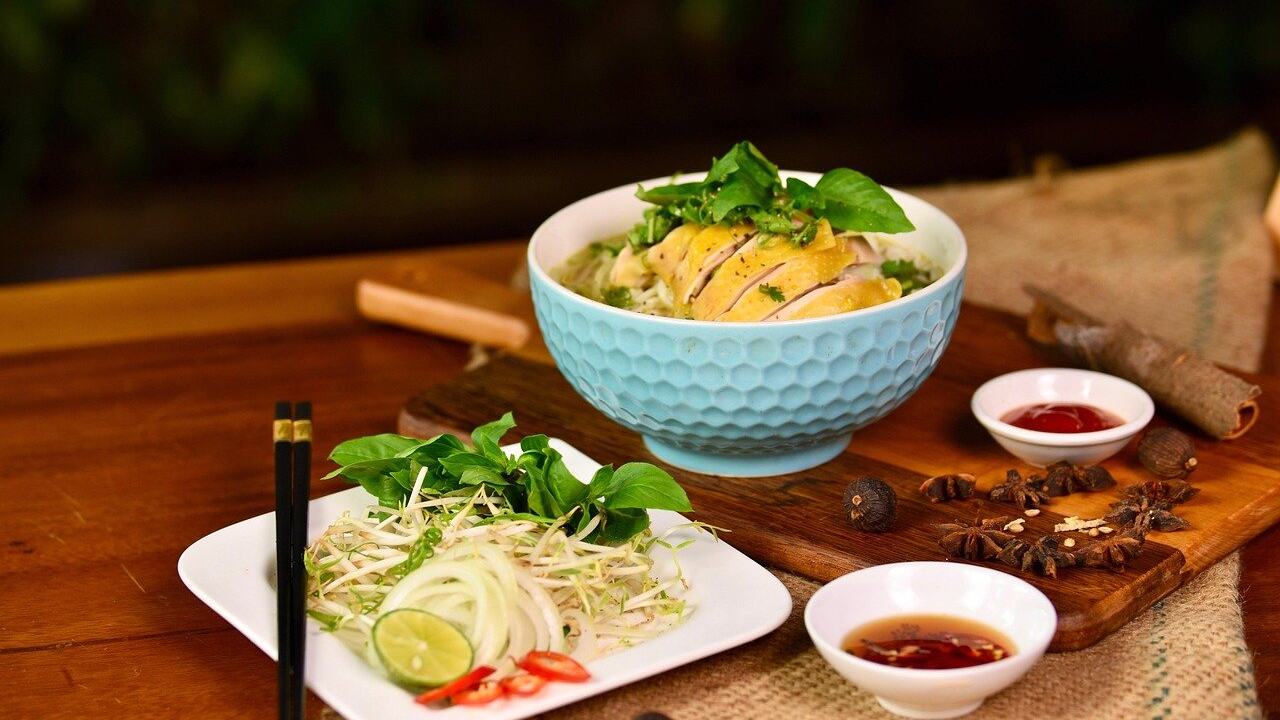
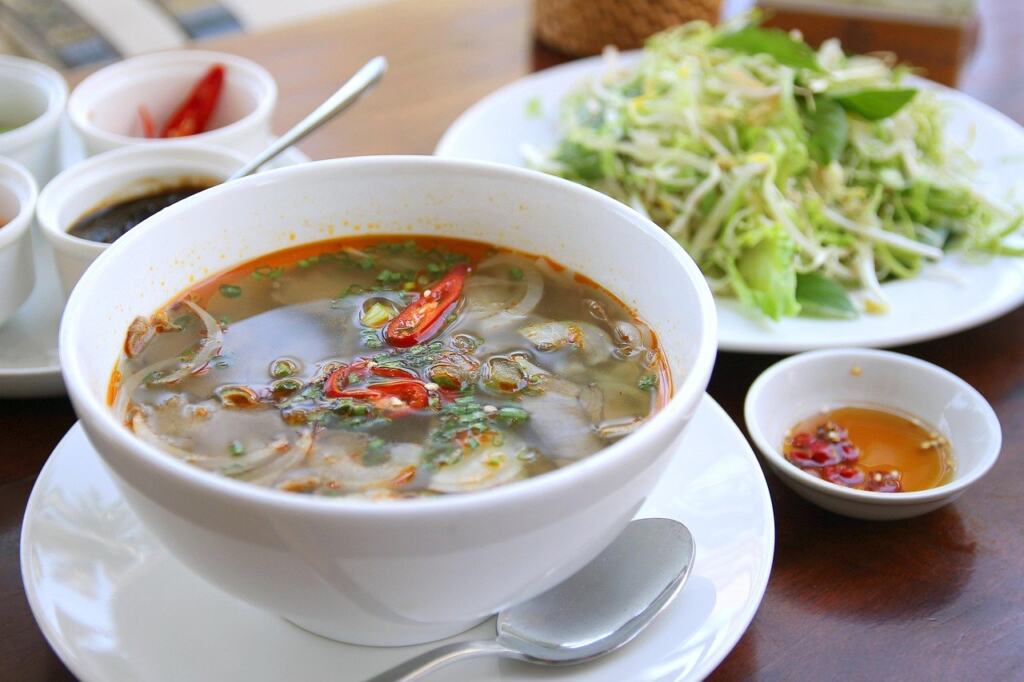
Pho is described as rice noodles served with beef or chicken, and Hanoi is named among the cities that boast it alongside plenty of other dishes. A soul-warming noodle soup is how Eurasian Bistro pairs pho with banh mi as the cuisine’s iconic dishes.
The broth is where the character lies. One account of Nam Dinh pho describes simmering beef bones for an extended period so the marrow infuses the liquid, then finishing the bowl with herbs such as cilantro, scallions and basil to lift its fragrance and flavour. That tells you what to look for: a clear, aromatic broth and herbs that arrive fresh on top.
Bowls can be very different in their contents. Andrew Zimmern describes a brothy, fragrant pho with sliced beef, brisket, meatballs and tripe. A combination bowl like that suits adventurous eaters who enjoy a mix of textures. If you are wary of tripe, ask what a combination bowl contains, or choose a plain beef or chicken version.
Bun thang
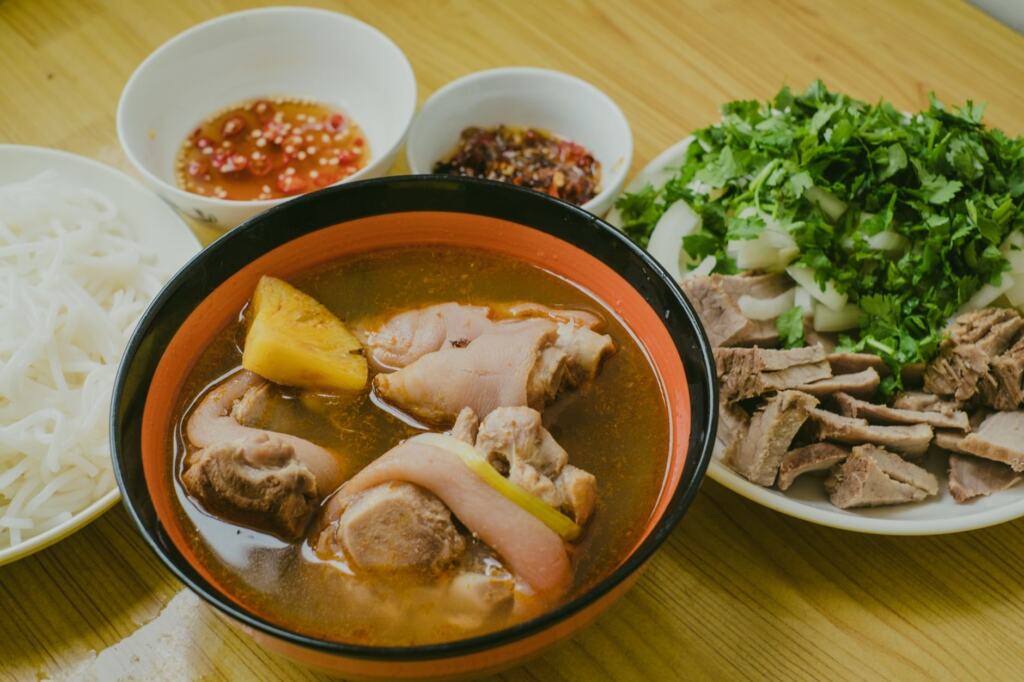
Bun thang appears in the same Hanoi list as pho and is described as rice noodles with chicken, fried egg and lean meat pie. It suits diners who already know pho and want a more elaborate northern bowl with several toppings. It is also a good option if you prefer chicken to beef, since chicken is part of the dish itself.
Rice noodles as the common thread
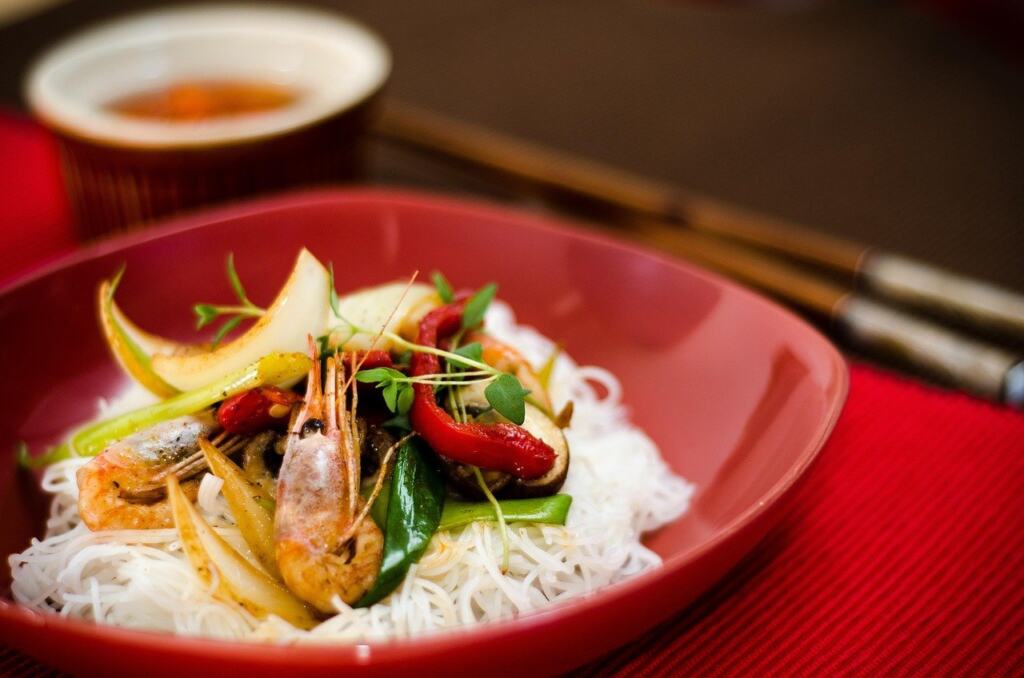
Rice noodles sit under pho, bun thang and bun cha alike. Eurasian Bistro calls rice the “staple of life” in Vietnamese cooking, which explains why so many signature dishes are built on rice in some form. For a diner, this means the noodle is the canvas and the toppings, broth or dipping sauce decide the dish, so judge each bowl by what goes on and around the noodles.
If you want street food you can eat quickly
Street-food dishes in Vietnamese cuisine range from bread-based sandwiches to grilled meat over noodles. Both of the following are easy to order without much planning.
Banh mi
Banh mi is a deliciously layered sandwich, according to Eurasian Bistro. Andrew Zimmern describes it as served on crusty French bread and loaded with big shreds of pickled daikon and carrots, with cilantro and grilled meat. The same source notes that modern Vietnamese cuisine has many French influences, and the baguette-style bread is the clearest example on a plate.
Banh mi suits anyone who wants a handheld meal and likes contrast: the crisp bread, the tang of the pickled vegetables, the fresh herb and the savoury meat. Its limitation is that it is a sandwich rather than a soup, so it offers less of the herb-and-broth experience that defines the noodle bowls above.
Bun cha
Bun cha, listed by Eurasian Bistro as a must-try street food, means grilled pork noodles. It suits diners who prefer smoky grilled meat to a brothy bowl, and it shows that rice noodles in this cuisine are not limited to soup. If you are building a short list of dishes to try, bun cha is the grilled-meat counterpart to pho’s broth.
If you want herb-forward, fresh flavours
Fresh herbs are central to Vietnamese cuisine rather than a garnish. Eurasian Bistro states that the cuisine places a strong emphasis on fresh and aromatic ingredients, and that is the best lens for reading any menu.
Vietnamese herbs to look for
The herbs named in the supplied sources are short but useful as a checklist when you order or shop:
- Mint: named among the fragrant herbs that are essential elements of the cooking.
- Coriander: listed with mint and Thai basil, and the Nam Dinh pho account uses the American name cilantro for its herb topping.
- Thai basil: the third herb in Eurasian Bistro’s list, and a good one to ask for if a dish arrives without any.
- Scallions and basil: both appear in the herbs that finish a bowl of Nam Dinh pho.
The herbs matter enough that one Minneapolis restaurant is praised for serving 19 different variations of herb forward, steaming bowls of pho. When you eat pho, add herbs gradually and taste between additions, since each one changes the fragrance of the broth.
Fish sauce, lemongrass and chili
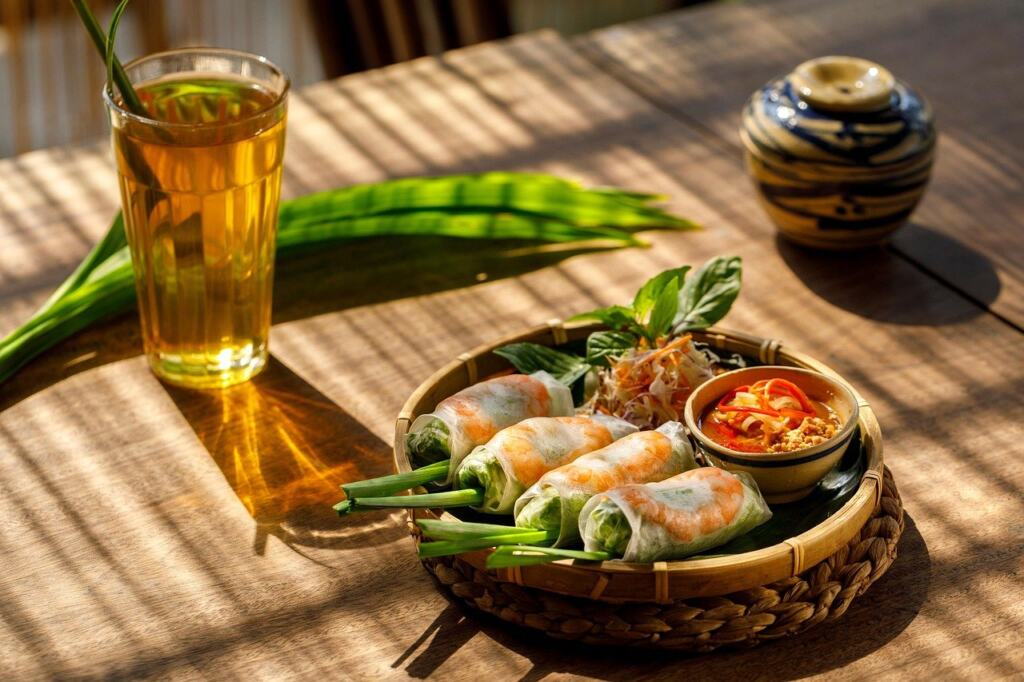
Fish sauce is named among the essential elements, together with lemongrass and chili, that give the cuisine its character. Read that as a statement about balance: herbs bring freshness, lemongrass and chili bring aroma and heat, and fish sauce is part of the seasoning backbone rather than an optional extra. If you are cooking at home, treat it as a staple of the pantry. If you are eating out, expect it to be working in the background of many dishes even when you cannot see it.
If you are comparing northern, central and southern food
Geography shapes Vietnamese dishes, with regional variation running from the fertile Mekong Delta to the mountainous northern regions. The best-documented regional repertoire in the supplied material comes from Hanoi, so it makes the clearest starting point for northern cooking.
Northern dishes from Hanoi
Vietnam Immigration says Hanoi boasts plentiful and delicious dishes, and lists the following:
- Pho: the rice noodle soup that anchors most visitors’ first order.
- Nem: a Hanoi dish named in the same list.
- Bun thang: rice noodles with chicken, fried egg and lean meat pie.
- La Vong grilled fish pies: the pick for diners who want fish rather than beef or chicken.
- Thanh Tri steamed rice rolls and Ngu Xa rolled rice pancakes: rice-based dishes named for their places of origin.
- Ho Tay shrimp cakes: another locally named speciality.
Many of these dishes carry a place name. That is a practical clue: when a menu names a district or lake in the dish title, it is usually signalling a local speciality worth ordering.
Reading central and southern menus
A single city’s list cannot stand for the whole country. The Mekong Delta at one end of the range and the mountainous north at the other show how much produce and cooking style shift with the land. For central and southern regions, the most reliable approach is to ask a vendor which dish is local to the area and order that, rather than defaulting to pho everywhere. That habit also keeps you comparing like with like when you try regional food across Vietnam’s cities.
If you are choosing between pho and banh mi
Pho and banh mi are both named as iconic dishes, but they answer different needs. Pho is a noodle soup, while banh mi is a layered sandwich on crusty French bread, so the choice depends on how you want to eat.
- Choose pho when you want a sit-down meal. It gives you rice noodles in an aromatic broth with beef or chicken, and herbs such as cilantro, scallions and basil to adjust the flavour.
- Choose banh mi when you want to eat on the move. The pickled daikon and carrots, cilantro and grilled meat sit inside bread, so there is no bowl or spoon to manage.
- Choose pho for broth-led depth. The slow simmering of beef bones in Nam Dinh-style pho is the source of its depth, and a sandwich cannot offer that.
- Choose banh mi for contrast. Crisp bread, tangy pickles and meat give a texture that a soup does not.
They share one thing: fresh coriander, or cilantro, turns up in both, which makes herbs the thread that ties the cuisine together.
Exploring beyond Vietnam
Once you have worked through these dishes, you may want to compare how other cuisines balance spice, herbs and bread. Readers can continue with turkish cuisine or moroccan cuisine.
Frequently asked questions
| Question | Answer |
|---|---|
| What are the most famous Vietnamese dishes? | Pho and banh mi are the two most commonly named icons, and bun cha is listed as a must-try street food. Hanoi adds bun thang, nem and grilled fish pies. |
| Does pho always use beef? | No. Pho is described as rice noodles served with beef or chicken. Beef versions can include sliced beef, brisket, meatballs and tripe. |
| Why is rice so important in Vietnamese cooking? | Rice is often called the “staple of life” in Vietnamese cuisine, and rice noodles, rice rolls and rice pancakes all build on it. |
| Which flavourings define the cuisine alongside herbs? | Fish sauce, lemongrass and chili are named as essential elements together with mint, coriander and Thai basil. |